
Oil prices edged lower on Friday as markets weighed the possibility of a diplomatic breakthrough between the United States and Iran against fresh security risks around key Middle Eastern energy routes.
Brent crude was down about 0.7 per cent at $105.85 a barrel early Friday, while US West Texas Intermediate fell about 0.9 per cent to $93.80.
The softer opening came after a volatile session on Thursday, when Brent climbed 3.4 per cent to settle at $106.60 a barrel. It had risen as much as 5 per cent during the session after a Houthi missile attack on Saudi Arabia renewed fears of further disruption to regional oil supplies.
The market then pared some of those gains after reports emerged that Washington and Tehran were exploring a phased route towards ending their confrontation.

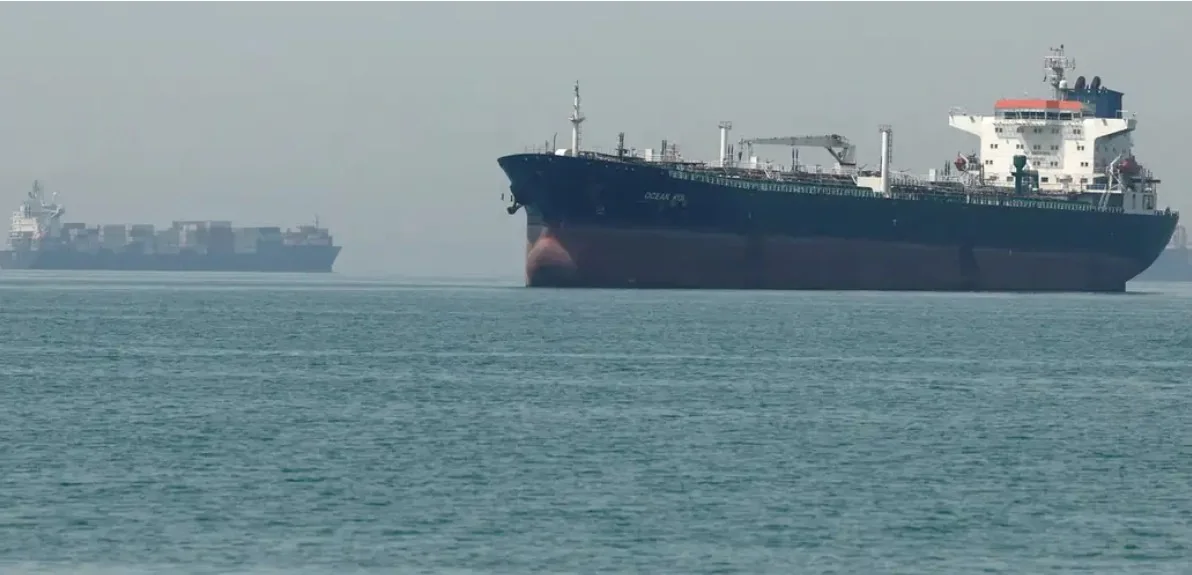
At the centre of the diplomatic effort is the Strait of Hormuz, one of the world's most important oil shipping routes.
Seven-day proposal puts Hormuz at centre of talks
Iranian Foreign Minister Abbas Araghchi said Tehran had presented Washington with a proposal under which the Strait could be reopened within seven days if the United States accepts Iran's conditions.
The proposal was conveyed through mediators, according to Iranian officials.
Araghchi said the plan would also allow nuclear negotiations between the two countries to resume.
“If certain conditions are met, the Strait of Hormuz will be open at the end of seven days, and talks will be restarted,” Araghchi said during meetings on the sidelines of the UN General Assembly in New York.
Iran says its conditions are based on terms contained in an earlier memorandum of understanding.
The proposal has not, however, produced a deal.
Reuters reported that US and Iranian negotiators are discussing a possible phased arrangement in which Tehran would reopen Hormuz while Washington lifts its economic blockade of Iran.
People familiar with the discussions said both sides remain reluctant to give up their bargaining power first.
That leaves the proposal at the diplomatic stage, rather than signalling an imminent reopening of the waterway.
Why the market is watching Hormuz
The Strait of Hormuz is critical because of the volume of energy that normally passes through it.
The International Energy Agency estimates that around 20 million barrels of oil and oil products moved through the Strait each day in 2025, equivalent to about a quarter of global seaborne oil trade.
The US Energy Information Administration says the waterway carried about 20.9 million barrels per day in the first half of 2025.
That makes any sustained disruption a major concern for refiners, shipping companies and consumers well beyond the Gulf region.
For Kenya and other oil-importing economies, movements in global crude prices can eventually feed into the cost of imported petroleum products, although the effect on pump prices depends on exchange rates, shipping costs, local taxes and the timing of domestic price reviews.
Saudi attacks add another layer of risk
The diplomatic signals are being balanced against continuing security concerns.
Saudi Arabia said it intercepted six ballistic missiles launched by Yemen's Iran-backed Houthis, with the attacks targeting areas including Taif and the Yanbu region.
The attacks have revived concerns over the security of Saudi energy infrastructure and alternative shipping routes.
Saudi Arabia has also resumed operations on its East-West oil pipeline after an earlier attack disrupted the route. The pipeline provides an alternative way of moving some crude towards the Red Sea without passing through Hormuz.
That has offered the oil market another potential supply buffer, although Reuters reported that restoring the pipeline to full capacity could take several weeks because pumping stations were damaged.
A deal could change the oil outlook
For now, traders are reacting to the possibility of a diplomatic settlement rather than an agreement that has already been reached.
A reopening of Hormuz would ease one of the biggest supply risks facing the oil market. It could also reduce the premium traders have been placing on crude because of the possibility of prolonged disruption.
But the latest price movements show how quickly the market can swing in the opposite direction when fresh attacks or threats emerge.
The immediate question is therefore not simply whether Washington and Tehran can reach an agreement.
It is whether they can reach one that restores reliable shipping through Hormuz and reduces the wider risk of further disruption across the region.
Until then, oil markets are likely to remain highly sensitive to every signal from the negotiating table and every development around the region's critical energy routes.
You may also like
Category: International
Related Video: How a tweet cost Idris Mukhtar a job with CNN | Globe Traktion Ep# 11
Related Explainer: Kenya G-to-G Oil Deal Explained: How It Works, Who Supplies the Fuel and Why It Is Controversial
About the Author
Maureen Onyango is a journalist passionate about storytelling, life coaching and spiritual lessons. She studied at the Kenya Institute of Management and enjoys telling stories that inform, inspire and empower communities.
 Facebook
 Twitter / X
 WhatsApp
 LinkedIn
 Telegram
 Reddit