
The proposed Sh2 trillion-plus Dangote East Africa refinery is facing growing scrutiny over land, contractual arrangements and the benefits Kenya will receive from one of the largest private investments ever proposed in the country.
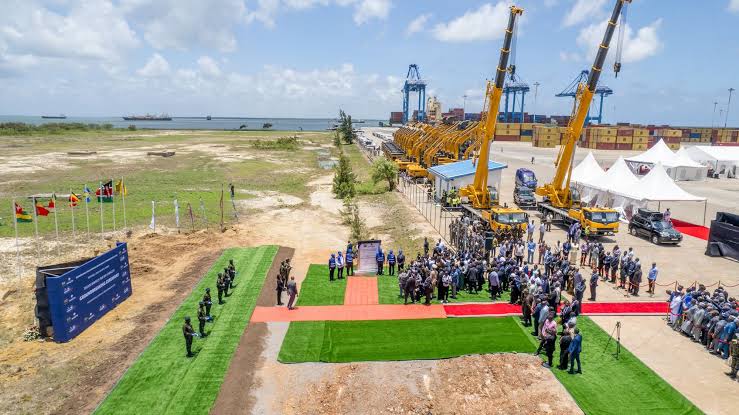
President William Ruto and Nigerian industrialist Aliko Dangote broke ground for the massive petroleum refinery and petrochemicals complex in Lamu on September 30.
The project has been promoted by the government as a transformative investment capable of creating thousands of jobs, boosting manufacturing and turning Lamu into a major regional industrial centre.
But attention is increasingly shifting from the scale of the investment to its underlying agreements.
President Ruto has said approximately 9,000 acres have been identified for the development, with another 3,000 acres being sought as plans expand to accommodate the refinery, a special economic zone and a new urban development.
That has put the land question at the centre of the national debate.
Opposition politicians have demanded greater disclosure of agreements surrounding the project, including details of land allocation and incentives offered to investors.
Government allies have defended the development, arguing that Kenya should welcome large-scale private investment capable of creating jobs and expanding industrial capacity.
The political confrontation risks obscuring several substantive questions.
Among them are how the refinery will source crude oil, the infrastructure required to supply the plant, environmental safeguards, land compensation and the commercial arrangements governing the project.
The planned facility is expected to process up to 700,000 barrels of crude oil per day when fully operational.
At that scale, it could significantly alter petroleum supply chains across East Africa.
Kenya currently relies heavily on imported refined petroleum products.
A functioning regional refinery could change that model, although its actual impact would depend on crude sourcing, production costs, taxation and regional demand.
For residents of Lamu, however, the immediate questions are more local: land, jobs, compensation, infrastructure and environmental protection.
As construction progresses, those issues are likely to determine whether the refinery remains primarily an economic story or becomes an increasingly contentious political and legal one.
You may also like
Category: Business · Related Topic: William Ruto
Related Video: What Dangote’s proposed Lamu oil refinery could mean for East Africa
Related Explainer: Inside Kenya’s crude supply puzzle as Dangote prepares to break ground in Lamu
 Facebook
 Twitter / X
 WhatsApp
 LinkedIn
 Telegram
 Reddit