
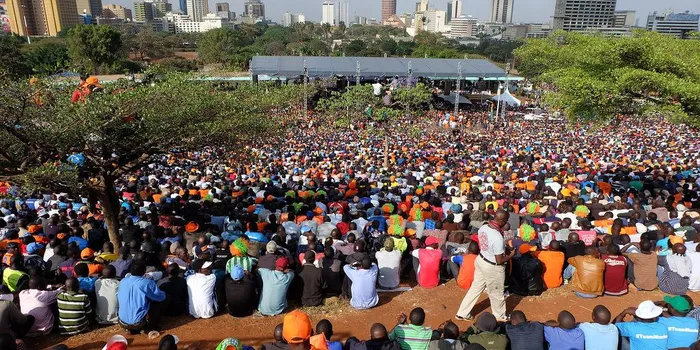
Kenya's rapidly changing political landscape is entering a less glamorous but potentially decisive phase: getting new political parties legally ready for the 2027 General Election.
Politicians positioning themselves for the presidential and parliamentary contests are launching, acquiring or reorganising parties as established political alliances continue to shift.
But establishing a political brand is only the beginning.
Parties must satisfy requirements administered by the Office of the Registrar of Political Parties before they can fully participate in elections.
The issue has come into sharper focus following political movements involving Nairobi Senator Edwin Sifuna and other politicians exploring new vehicles.
Sifuna's Linda Mwananchi Movement secured reservation of its proposed name following proceedings before the Political Parties Disputes Tribunal.
Name reservation, however, is not the same as full registration.
A political organisation must proceed through the registration process and satisfy statutory requirements before operating as a fully registered political party.
The People's Prosperity Party associated with presidential aspirant Eliud Owalo has already received provisional registration but must similarly complete the requirements for full registration.
The administrative process matters because politicians increasingly use political parties not only as vehicles for presidential campaigns but also as bargaining instruments during coalition negotiations.
Owning or controlling a party gives political leaders greater influence over nominations, coalition agreements and the allocation of positions within broader alliances.
The proliferation of political vehicles is therefore likely to continue as the election approaches.
But deadlines will become increasingly important.
Parties planning to field candidates must comply with electoral law, internal nomination requirements and regulatory deadlines established by the Registrar of Political Parties and IEBC.
That creates two parallel races ahead of 2027.
One will play out publicly through rallies, interviews and political campaigns.
The other will happen through party constitutions, membership registers, election rules and regulatory compliance.
Failure in the second race could make success in the first irrelevant.
You may also like
Category: Politics · Related Topic: 2027 Elections
Related Video: Murkomen Says Kenya Is Safe: “Stop Creating a Crisis” | Political Goons & Security Under Scrutiny
 Facebook
 Twitter / X
 WhatsApp
 LinkedIn
 Telegram
 Reddit