
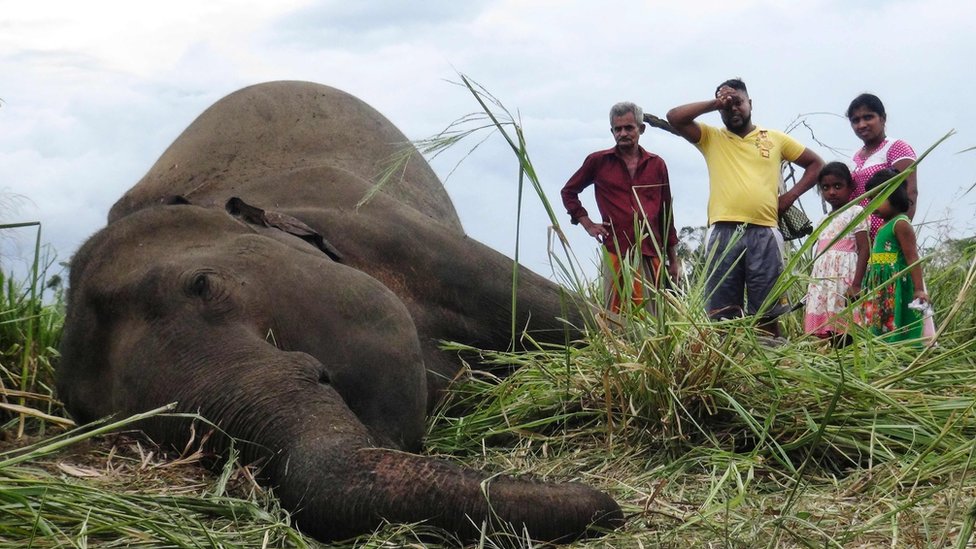
Kenyan authorities have arrested four people as investigations intensify into the deaths of 18 elephants in the Amboseli ecosystem, with preliminary laboratory findings pointing to the possible involvement of a toxic substance.
The four people were arrested as part of a multi-agency investigation and have since been released on bail, according to the Kenya Wildlife Service (KWS). Investigators are also looking for a fifth person believed to have information relevant to the case.
The arrests are the biggest development so far in an investigation that has raised questions about what killed the elephants and whether the deaths are linked to the long-running conflict between wildlife and farming communities around Amboseli.
Importantly, authorities have not established that the four arrested individuals caused the deaths. They remain persons of interest while investigators continue examining the evidence.
How many elephants have died?
The 18 deaths were recorded across several locations in the Amboseli ecosystem between June and July.
KWS reported:
- 7 elephants died inside Amboseli National Park;
- 7 at Kimana Sanctuary;
- 3 in Kitenden; and
- 1 at Kuku Ranch.
The deaths occurred between June 24 and July 24, according to the government investigation.
Four of the elephants found inside Amboseli National Park were discovered near Kimana Gate and were believed to have belonged to the same herd or family.
What investigators have found
Preliminary laboratory results indicate that a toxic substance may have been involved.
Earlier findings pointed towards possible cyanide poisoning after elephants consumed pesticide-contaminated tomatoes from farms bordering wildlife habitats.
But that remains a line of investigation rather than a final determination.
The government has undertaken field investigations, laboratory analysis and environmental sampling as part of the probe.
Investigators also searched an area in Tikondo, Loitoktok Sub-County, where they recovered various substances, including chemicals believed to have originated from a neighbouring country and other potentially toxic and unlabeled chemicals.
Those exhibits have been secured for further scientific analysis.
Why the cyanide theory has not been settled
The possible poisoning explanation has attracted questions from wildlife experts.
Reuters reported that some experts have expressed doubts about the theory that pesticide-contaminated farm produce caused the deaths because there have not been reports of similar deaths among other animals in the area.
That makes the laboratory and environmental testing particularly important.
At this stage, it would be premature to state that the elephants were definitively killed by cyanide or that contaminated tomatoes were responsible.
The investigation is still attempting to establish what substance was involved, how the elephants were exposed and whether the deaths were connected.
Why investigators are looking at farms around Amboseli
The deaths have occurred in an area where wildlife and farming communities live in close proximity.
Elephants regularly move between protected areas and community land around Amboseli. Their movement can result in crop destruction, creating tensions with farmers whose livelihoods depend on agriculture.
That background is important because investigators need to determine whether the deaths resulted from accidental exposure to agricultural chemicals, deliberate poisoning or another cause.
The presence of chemicals alone does not establish how they were used or whether they caused the elephant deaths.
Four arrests do not mean four people have been found responsible
The arrests have generated concern among residents, particularly farmers in the Kimana area.
Farmers reportedly protested the arrests on Monday, blocking the Loitokitok-Emali road as they demanded action over the detention of their colleagues.
But investigators have not publicly established criminal responsibility against the four people.
The government has said the investigation is continuing and that those found responsible for unlawfully killing or poisoning wildlife will face legal action once sufficient evidence is established.
That distinction matters as the case develops: being arrested during an investigation is not the same as being found guilty of killing the elephants.
What happens next?
The next significant development is likely to come from laboratory and forensic analysis.
Investigators need to establish:
- What toxic substance, if any, killed the elephants;
- Whether the same substance is present in the recovered chemicals;
- How the elephants came into contact with it;
- Whether contaminated food was involved;
- Whether the 18 deaths are connected; and
- Whether anyone deliberately poisoned the animals.
Authorities are also pursuing a fifth individual believed to have information relevant to the investigation.
The government has said it intends to strengthen surveillance, scientific investigations and rapid-response mechanisms in vulnerable wildlife areas, while also monitoring the misuse and illegal handling of potentially hazardous substances.
The bigger issue behind the elephant deaths
The investigation is unfolding against a much larger challenge for Kenya: how to protect wildlife while reducing conflict with communities living alongside protected areas.
Amboseli is one of Kenya's best-known wildlife ecosystems and is particularly important for elephants. But wildlife conservation cannot be separated from the livelihoods of communities surrounding protected areas.
The immediate question remains what killed the 18 elephants.
The longer-term question is whether Kenya can prevent another incident by addressing both wildlife protection and the human-wildlife conflict that puts elephants and communities in direct competition for land and resources.
For now, authorities have four people who have been arrested and released on bail, a fifth person being sought, recovered chemicals and preliminary evidence pointing towards a toxic substance.
But investigators have yet to publicly establish the complete chain linking a specific substance to the deaths or identify who, if anyone, deliberately caused them.
That is the evidence the investigation now needs to produce.
Category: Business
Related Video: Human Ladder Reaches Dangerous Heights as Climbers Keep Going
Related Explainer: Explainer: Why Kenya is moving hospitals to HMIS and what it means for SHA patients
 Facebook
 Twitter / X
 WhatsApp
 LinkedIn
 Telegram
 Reddit