
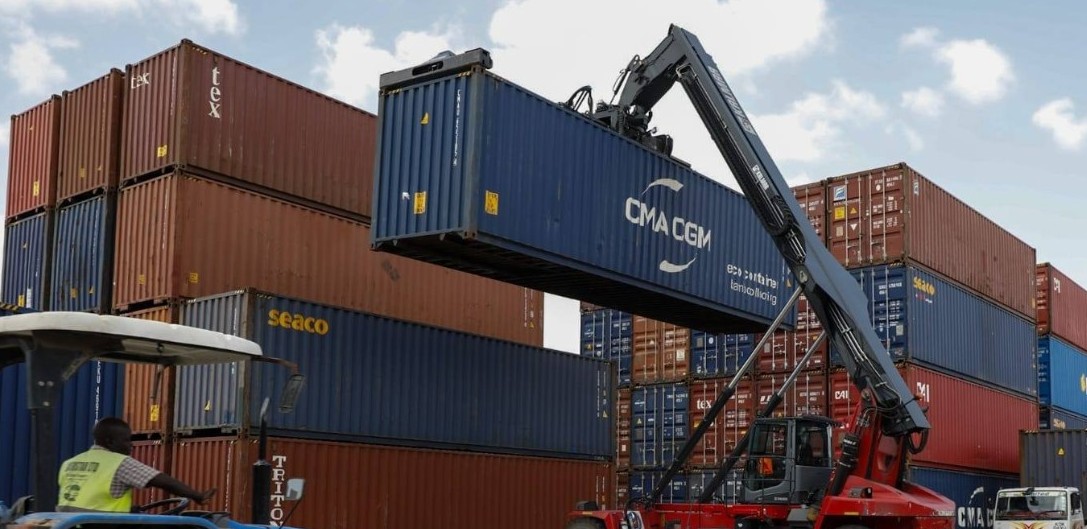
The Ethics and Anti-Corruption Commission (EACC) has turned its attention to the Kenya Ports Authority (KPA), launching a review of the institution's systems amid growing concerns over corruption risks, cargo clearance delays and the rising cost of doing business at the Port of Mombasa.
The exercise, launched on Tuesday, November 10, 2026, will examine KPA's policies, procedures, internal controls and daily operational practices. The commission intends to identify weaknesses that could facilitate corruption and recommend measures to address them.
The move comes at a difficult time for Kenya's main maritime gateway, which is facing renewed scrutiny over its ability to move cargo efficiently and compete with other regional ports.
Speaking during the launch at KPA headquarters in Mombasa, EACC Commissioner John Ogallo said the port's importance extended beyond Kenya, serving as a critical trade link for neighbouring countries seeking access to international markets.
He warned that inefficiencies and integrity failures at the facility could have wider consequences for businesses, consumers and the region's economic competitiveness.
"An integrity-driven port need not be a slow port. In fact, a port supported by transparent, efficient and reliable systems is better positioned to facilitate legitimate trade, protect public revenue and inspire confidence among investors and businesses," Ogallo said.
The commission's approach is preventive. Rather than waiting for corruption offences to occur, it seeks to identify institutional weaknesses and recommend changes that can reduce opportunities for misconduct.
KPA has welcomed the intervention, describing it as an opportunity to strengthen accountability and improve its internal safeguards.
Corporation Secretary and General Manager for Board and Legal Services John Turasha Kinyanjui, who represented Chief Executive Officer Captain William Ruto, said integrity should guide the authority's everyday decisions and operations.
He noted that KPA manages critical national infrastructure and has a responsibility to uphold high standards of professionalism and public service.
The authority has not been accused of collective wrongdoing by the review. The exercise is intended to assess institutional systems and identify areas requiring improvement.
World Bank raises fresh concerns over port operations
The EACC intervention follows the release of the World Bank's 34th Kenya Economic Update on November 4, which highlighted governance and operational challenges affecting the Port of Mombasa.
The report pointed to congestion, lengthy administrative processes, repeated cargo inspections, frequent system interruptions and rising charges as some of the difficulties facing businesses that depend on the port.
It also raised concerns about alleged demands for unofficial payments by officials involved in cargo clearance.
Such allegations are particularly serious because delays at the port can affect the entire supply chain. Importers may face additional storage and transport expenses, while manufacturers risk paying more for raw materials and equipment.
These costs can eventually put pressure on the prices of goods reaching consumers.
The World Bank also questioned the impact of leadership instability at KPA, noting that the authority had five managing directors over the previous decade, including two acting directors between 2020 and 2023.
Frequent leadership changes can make it harder for institutions to maintain consistent policies, implement long-term improvements and ensure accountability.
The concerns form part of a wider warning in the World Bank's economic update that governance weaknesses are increasing the cost of doing business in Kenya.
Mombasa loses ground to regional competitors
The port's operational challenges are also reflected in its international performance rankings.
In the World Bank's Container Port Performance Index covering 2024, Mombasa ranked 375th out of 403 ports, down from 326th out of 348 ports in the 2022 assessment.
However, there is a more recent development worth noting.
The subsequent 2025 index placed Mombasa at position 396, according to reporting by The EastAfrican in September 2026. Dar es Salaam improved to position 255, while Lamu entered the rankings at 345.
This puts Kenya's two main maritime gateways in different positions, with Mombasa facing increasing pressure to improve its performance.
The index measures how long container vessels spend in port, including waiting time and time at berth. It is therefore an indicator of vessel-handling efficiency, rather than a complete assessment of a port's infrastructure, cargo volumes or overall economic importance.
The World Bank has also cautioned that international shipping disruptions, including those linked to insecurity in the Red Sea, have affected port performance across different regions.
Mombasa's declining position should therefore be understood against both its internal operational challenges and the wider changes affecting global shipping.
What the EACC review means for businesses
For importers, exporters, clearing agents and manufacturers, the real test will be whether the review produces practical improvements.
Reducing unnecessary inspections, improving the reliability of digital systems, strengthening oversight and making cargo clearance procedures more predictable could help address some of the problems identified by the World Bank.
The review also presents an opportunity to examine how different government agencies coordinate their activities at the port, particularly where overlapping responsibilities create additional delays and costs.
But identifying weaknesses will only be the first step. The effectiveness of the exercise will ultimately depend on whether KPA implements the commission's recommendations and whether the relevant agencies follow through with reforms.
For a port that serves Kenya and several landlocked economies in the region, the stakes are considerable.
Ogallo's message that integrity and efficiency should go hand in hand captures the challenge facing the institution: Mombasa must not only move cargo faster but also ensure that the processes governing trade are transparent, accountable and fair.
The bigger question is whether the latest intervention will translate into lasting improvements for the businesses and ordinary consumers who ultimately bear the cost of an inefficient supply chain.
You may also like
Category: News
Related Video: What Dangote’s proposed Lamu oil refinery could mean for East Africa
Related Explainer: Ebola contact tracing: Why the 21-day window matters in Kenya’s response
About the Author
Maureen Onyango is a journalist passionate about storytelling, life coaching and spiritual lessons. She studied at the Kenya Institute of Management and enjoys telling stories that inform, inspire and empower communities.
 Facebook
 Twitter / X
 WhatsApp
 LinkedIn
 Telegram
 Reddit