
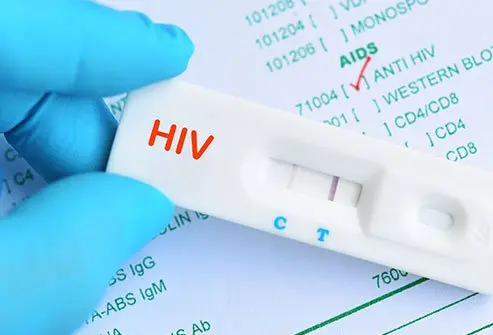
A Kenyan preacher has been ordered to pay his former wife KSh900,000 after the HIV and AIDS Tribunal found that he unlawfully shared her HIV status with other people, exposing her to stigma and psychological distress.
The ruling sends a strong message about the protection of private medical information: being married to someone does not give a person the right to disclose their HIV status to neighbours, relatives, employers or a church congregation without their consent.
The tribunal awarded the woman KSh500,000 for the unlawful disclosure and a further KSh400,000 for the psychological trauma she suffered.
It also issued an order restraining the preacher from discussing or revealing her medical status to third parties in future.
How the dispute unfolded
In her complaint, the woman told the tribunal that her former husband began mistreating her after learning that she was living with HIV.
She accused him of repeatedly telling her that she would die from the condition, withdrawing financial support and revealing her diagnosis to people outside their marriage, including her employer and members of their community.
The tribunal heard testimony from witnesses who supported parts of her account.
One neighbour said she had repeatedly heard the preacher shouting in Kikuyu during domestic disagreements and telling people that his wife was HIV-positive.
Another witness described an incident in which the man allegedly assaulted the woman and told her to leave their matrimonial home.
The tribunal also considered a letter from a local chief documenting an earlier complaint by the woman. In it, she reported that her husband had chased her from their home and slapped her in the presence of her brother.
The panel found that the witness accounts and supporting documentation were consistent with her evidence. It concluded that the unlawful disclosure had been established on a balance of probabilities.
Preacher denied the allegations
The man disputed the accusations, maintaining that he had remained supportive of his former wife after learning about her HIV status.
According to reports of the proceedings, he argued that his background as a preacher and clinical psychologist was inconsistent with the alleged conduct. He also told the tribunal that the couple had attended counselling for about two years in an attempt to address their marital difficulties.
The tribunal nevertheless found that the evidence supported the woman's claim that her medical information had been shared without her consent.
However, it did not accept every allegation made in the case.
The panel said there was insufficient evidence to establish that the woman's HIV status had also been disclosed during divorce and children's court proceedings.
It further declined to award damages for alleged economic loss. Although the woman said her former husband's actions had affected her employment, her termination letter did not establish why she had lost her job or prove that he had caused the dismissal.
What Kenyan law says about HIV confidentiality
The ruling draws attention to Section 22(1)(a) of the HIV and AIDS Prevention and Control Act.
The provision restricts the disclosure of information about a person's HIV test results or related medical assessments without their written consent, subject to the exceptions provided under the law.
The tribunal relied on this protection in finding that the preacher had violated the woman's right to privacy.
It also considered evidence of the psychological impact of the disclosure. A psychiatric report presented during the proceedings indicated that the woman had received psychosocial therapy and experienced suicidal thoughts.
The panel acknowledged that the distress she experienced was not caused by the disclosure alone. The breakdown of the marriage and unresolved property disputes had also affected her mental health. Those wider family issues, however, fell outside the tribunal's jurisdiction.
A wider warning against HIV stigma
The decision comes against the backdrop of continuing efforts to address discrimination against people living with HIV.
HIV treatment has advanced considerably, and people receiving effective treatment can live long and healthy lives. Yet stigma and breaches of confidentiality can still expose individuals to discrimination, isolation and emotional harm.
The tribunal's decision reinforces the principle that an HIV diagnosis is private medical information, not something to be used to shame, intimidate or humiliate another person.
For the woman, the KSh900,000 award provides compensation for the violations the tribunal established. For others, the ruling is a reminder that confidentiality does not end when a relationship breaks down.
A former spouse may no longer share a home or a marriage with someone, but that does not remove their obligation to respect that person's medical privacy.
You may also like
Category: Crime & Justice
Related Video: Gachagua’s explosive Ruto scorecard: Debt, taxes, State capture and a government ‘that has failed’
About the Author
Maureen Onyango is a journalist passionate about storytelling, life coaching and spiritual lessons. She studied at the Kenya Institute of Management and enjoys telling stories that inform, inspire and empower communities.
 Facebook
 Twitter / X
 WhatsApp
 LinkedIn
 Telegram
 Reddit