
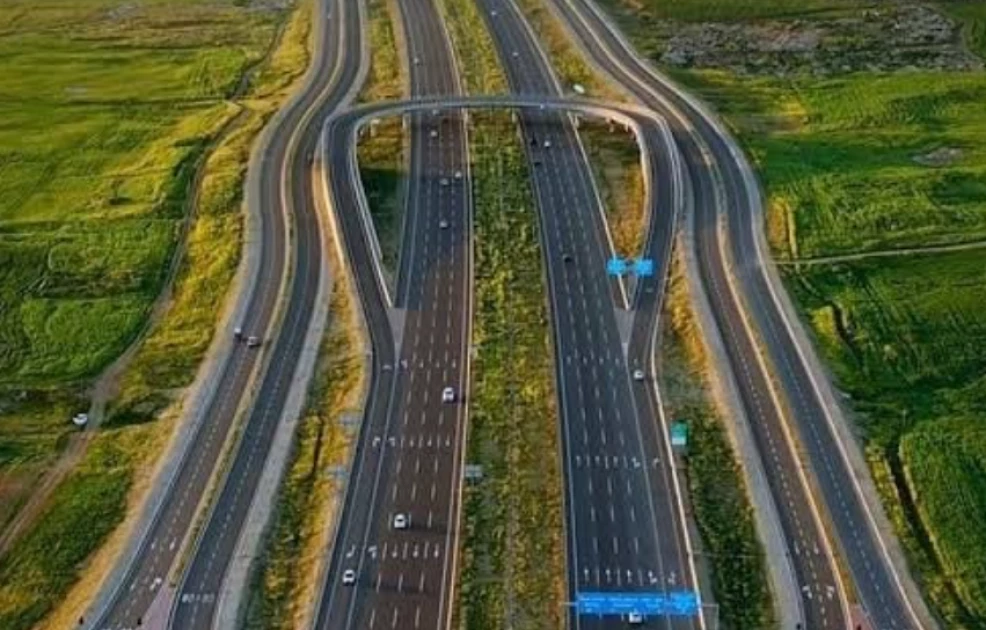
Motorists and transporters heading to western Kenya and Uganda are facing a new cost on one of the country’s most important trade routes, with the planned Mau Summit–Eldoret–Malaba highway set to become a tolled road.
The Kenya National Highways Authority (KeNHA) has indicated a base toll of KSh8 per kilometre for the 243-kilometre corridor once the road is upgraded. The development follows an August 18 steering committee meeting chaired by Treasury Principal Secretary Chris Kiptoo, with the government targeting June 2027 for the start of construction.
The proposed road will be upgraded from two lanes to at least four lanes and converted into an access-controlled toll road under a Public-Private Partnership (PPP). The corridor forms part of the Northern Corridor, carrying freight from the Port of Mombasa through Kenya to Uganda and onward to Rwanda, South Sudan and the Democratic Republic of Congo. Government documents estimate that about 3,000 trucks use the wider corridor daily, carrying more than 35 million tonnes of cargo annually.
But the headline figure of KSh8 per kilometre only tells part of the story.
The KSh1,944 question
At KSh8 per kilometre, a passenger vehicle travelling the entire 243-kilometre Mau Summit–Malaba section would pay approximately KSh1,944 for a one-way journey.
That is the initial mathematical cost before any future tariff adjustments and before differences between vehicle classes are taken into account.
KeNHA's wording is also important: the KSh8 tariff is subject to future adjustments under the project agreement and applicable government approvals. In other words, motorists should not necessarily interpret KSh8 as a rate that will remain unchanged throughout the concession period.
The government is yet to publicly set out the final toll multipliers for buses, matatus and heavy trucks on this particular road.
That could become the more important number for the transport industry.
The bigger bill could be Nairobi to Malaba
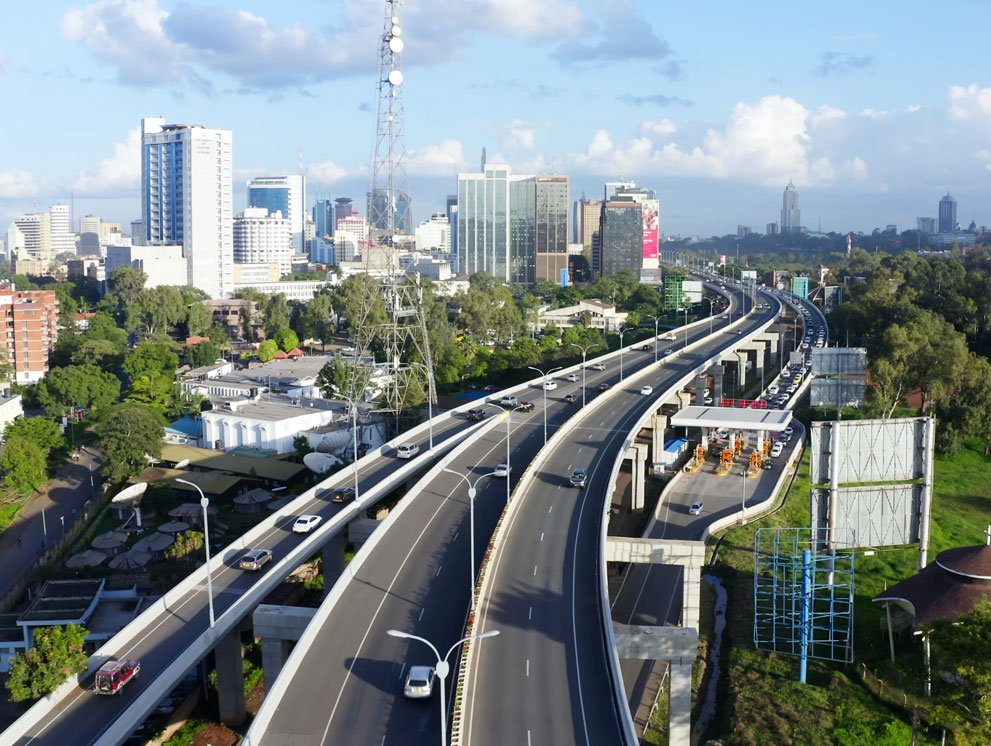
The proposed toll becomes more significant when viewed as part of the entire Nairobi–Malaba route rather than as an isolated 243-kilometre project.
The adjoining Rironi–Gilgil section has been assigned a KSh8-per-kilometre tariff, while the 94-kilometre Gilgil–Mau Summit section has been set at KSh8.50 per kilometre. KeNHA has said future adjustments to those tariffs will also be governed by the respective project agreements and government approvals.
The two existing sections would cost about KSh1,911 for a standard vehicle if the announced tariffs were applied across their 233 kilometres.
Add the proposed KSh1,944 for Mau Summit–Malaba and the toll bill from Rironi to Malaba would be roughly KSh3,855 one way.
That puts the emerging toll-road network into a different perspective: this is not simply a KSh8-per-kilometre debate. For a motorist travelling the full corridor, the cumulative cost could become several thousand shillings per trip.
For commercial vehicles, the eventual bill could be substantially higher once vehicle-class multipliers are confirmed.
Why the KSh8 figure is already controversial
The proposed tariff also arrives amid an unresolved dispute over toll calculations on the adjoining Rironi–Mau Summit highway.
The Motorists Association of Kenya (MAK) has challenged KeNHA's KSh8-per-kilometre figure, arguing that the effective cost to motorists could be closer to KSh15 per kilometre. MAK said this would translate into about KSh2,625 for the full Rironi–Mau Summit journey, compared with approximately KSh1,911 based on the tariffs publicly announced by KeNHA for the two sections.
That dispute matters because the Mau Summit–Malaba project is being developed along the same broader Northern Corridor.
If a similar difference between the headline tariff and the eventual cost to motorists emerges on the new section, the actual price of travelling from Nairobi towards Malaba could be considerably higher than the KSh3,855 calculation based purely on the published base rates.
KeNHA has not publicly confirmed that MAK's calculation applies to the Mau Summit–Malaba project.
The trade-off: pay more, save time?
There is a clear economic argument behind the tolling model.
The Mau Summit–Malaba corridor currently suffers from congestion, pavement deterioration and safety problems. Government project documents say transit time between Mombasa and Malaba increased from 71 hours in 2023 to 80 hours in 2025, far above the Northern Corridor target of 40 hours.
The proposed upgrade is intended to create a higher-capacity, access-controlled highway, improve safety, reduce congestion and make freight movement more predictable.
For a truck operator, therefore, the real question may not simply be "How much is the toll?"
It will be: "How much does the toll save me in fuel, vehicle maintenance, driver time and delays?"
If a faster and more reliable road significantly reduces turnaround times for trucks, some of the additional cost could be offset by greater operational efficiency.
But if toll charges are simply added to existing transport costs without delivering a substantial reduction in travel time and operating expenses, the burden is likely to be passed down the supply chain.
What consumers could eventually feel
The consequences will extend beyond motorists.
The Northern Corridor is a major artery for fuel, food, manufactured goods and other commodities moving between the Port of Mombasa and inland markets.
Transporters generally factor road-user charges into their operating costs. Higher freight costs can therefore eventually appear in the prices paid by wholesalers, retailers and consumers.
For businesses in western Kenya and neighbouring countries that rely heavily on road freight, the toll could become another component of the cost of doing business.
The impact will depend on the final toll structure, the efficiency of the upgraded road and whether the savings from faster journeys outweigh the additional user charge.
What is known — and what remains unclear
The 243-kilometre Mau Summit–Eldoret–Malaba project is confirmed as a planned four-lane, access-controlled tolled highway under a PPP framework. The project's preparation has already moved beyond pre-feasibility, with the feasibility stage forming part of the current project development process.
The KSh8-per-kilometre figure would put the initial full-section toll for a standard vehicle at about KSh1,944.
But several important questions remain unanswered.
KeNHA has not yet publicly detailed the vehicle-class multipliers for the new corridor. It is also not yet clear whether the KSh8 figure will survive the final financial and regulatory process unchanged, or how any future tariff adjustments will be calculated.
There is also a bigger policy question: what alternative route, if any, will motorists have once the new road becomes access-controlled and tolled?
The number to watch is not KSh8
For motorists, KSh8 per kilometre makes for an easy headline.
For the economy, the more important number will be the final cost of moving a passenger, truck or tonne of cargo from Nairobi through the Northern Corridor to the Malaba border.
That figure will depend on the final toll structure, vehicle categories, future tariff adjustments and, ultimately, whether the upgraded road delivers enough time and efficiency savings to justify the additional charge.
Construction is currently targeted for June 2027, subject to the completion of the remaining project preparation, approvals and PPP processes. The project is expected to complement the Rironi–Mau Summit highway works already being developed further west of Nairobi.
For motorists, the toll story is therefore only beginning. The real cost will become clearer when KeNHA publishes the complete tariff structure and the final terms governing how much different classes of road users will pay.
You may also like
Category: Business
Related Video: What Dangote’s proposed Lamu oil refinery could mean for East Africa
About the Author
Brian Njagi is a final-year Mass Communication student passionate about storytelling, communications, and visual design. He has gained hands-on experience in article writing and campaign design at AMWIK. At LiveNow Africa, he explores how media, technology and data can drive clear, engaging and well-researched storytelling.
 Facebook
 Twitter / X
 WhatsApp
 LinkedIn
 Telegram
 Reddit