
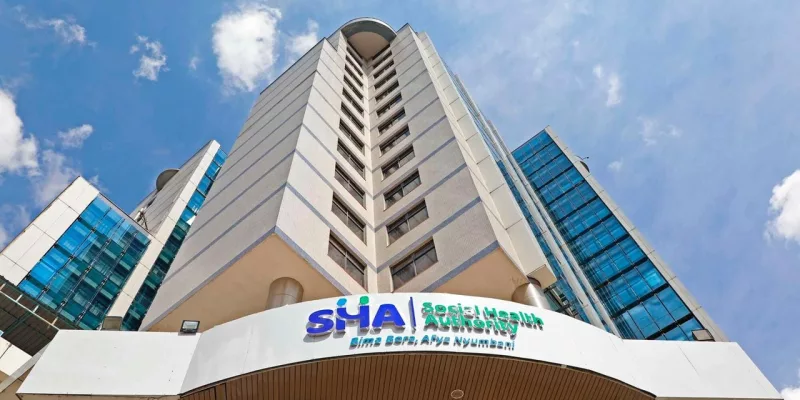
A doctor and two other petitioners have moved to the High Court in Vihiga seeking to stop what they describe as a 2 per cent HIMS System Utilisation fee allegedly deducted from healthcare providers' claims processed through the Social Health Authority (SHA).
Dr Magare Gikenyi Benjamin, healthcare professional Eliud Karanja Matindi and Busia Senator Okiya Omtatah are challenging the alleged deduction, raising questions about its legal basis, transparency and how the money collected is accounted for.
The petitioners claim the 2 per cent fee is deducted from amounts submitted by healthcare providers through the SHA system. They want the court to establish whether there is a valid law, regulation or other legal instrument authorising the charge and whether healthcare providers were adequately informed or consulted before it was introduced.
According to the court filings, Dr Magare says he first noticed the alleged deduction on April 8, 2026, while working as a surgeon at an SHA-accredited facility. He later sought clarification from relevant officials, and on July 1, 2026, wrote to authorities requesting information on the legal basis of the charge and how the system was being implemented.

The petitioners allege that the requested explanation had not been provided by the time they approached the court. They have also questioned the role of the Digital Health Authority, which they believe may be connected to the alleged fee, and want clarity on the institutions responsible for authorising and administering the deduction.
At the heart of the case is a broader question about accountability in Kenya's evolving digital health financing system. The petitioners are not only challenging the alleged deduction itself but are also asking what happens to the money once it is collected.
They argue that there is no clear roadmap showing where the alleged 2 per cent fee goes, how it is budgeted or how it is appropriated. Their concerns raise questions about whether healthcare providers can be required to surrender part of their claims without being given a clear explanation of the legal authority behind the charge and the financial mechanisms governing the funds.
The dispute comes as Kenya continues to transition to a new health insurance framework under the Social Health Insurance Act, 2023. SHA has been tasked with administering the country's new health financing system, including the processing and payment of healthcare claims. The petitioners' case, however, focuses on whether the specific HIMS System Utilisation fee they allege is being deducted from providers has a clear legal foundation.
The applicants have also questioned whether there was public participation before the alleged fee was introduced. They argue that the absence of consultation raises concerns about the process through which the charge was established and implemented.
The petitioners have cited constitutional provisions, including Articles 209 and 210, as part of their challenge. The court will ultimately have to consider the relevance of those provisions to the specific fee being contested, as well as any legal and administrative explanations provided by the respondents.
The case could have implications beyond the three petitioners if the court finds that the alleged deduction lacks a valid legal basis. It could force greater clarity on how digital systems supporting SHA claims are funded and whether healthcare providers can be charged system-related fees through deductions from their claims.
On the other hand, if the respondents demonstrate that the fee is supported by existing legislation or a valid regulatory framework, the proceedings could provide important clarification on the authority responsible for the charge and the rules governing its collection and use.
The petitioners are seeking conservatory orders suspending any decision, circular, gazette notice or other instrument allegedly authorising the deduction. They also want the court to suspend the charging or collection of the alleged fee until the application and the main petition are heard and determined.
They further want the respondents prohibited from implementing or enforcing any document that authorises the alleged deduction and have asked the court to certify the matter as urgent.
The applicants argue that the matter requires immediate attention because, in their view, the alleged deductions could continue while the legal challenge is pending, potentially affecting healthcare providers financially.
The case has not yet established that the alleged 2 per cent fee is unlawful, nor has the court determined the petitioners' claims. The respondents will have an opportunity to respond and explain the legal and administrative basis of the alleged charge.
The central public-interest question emerging from the case is therefore not simply how much money is being deducted, but whether there is a clear legal foundation for the deduction, who authorised it, how the funds are accounted for and whether affected healthcare providers were given an opportunity to participate in the process.
You may also like
Category: News · Related Topic: Social Health Authority (SHA)
Related Video: Human Ladder Reaches Dangerous Heights as Climbers Keep Going
Related Explainer: Explainer: What happened to milk in Kenya?
About the Author
Eugene Stephen Were, popularly known as Steve O’clock, is a Kenyan journalist, digital media specialist and multimedia storyteller. He holds a Bachelor of Arts in Journalism and Digital Media from Murang’a University of Technology, with expertise in news reporting, environmental journalism, digital content, photography, videography and film production. Contact & Social Media: Phone: +24795699374 | Facebook: https://www.facebook.com/share/1BhhxUAYmk/ | Instagram: https://www.instagram.com/steve_oclock__mwenyewe | TikTok: https://www.tiktok.com/@oclockcityc.e.o?_r=1&_t=ZS-98czWCBnRxg
 Facebook
 Twitter / X
 WhatsApp
 LinkedIn
 Telegram
 Reddit