
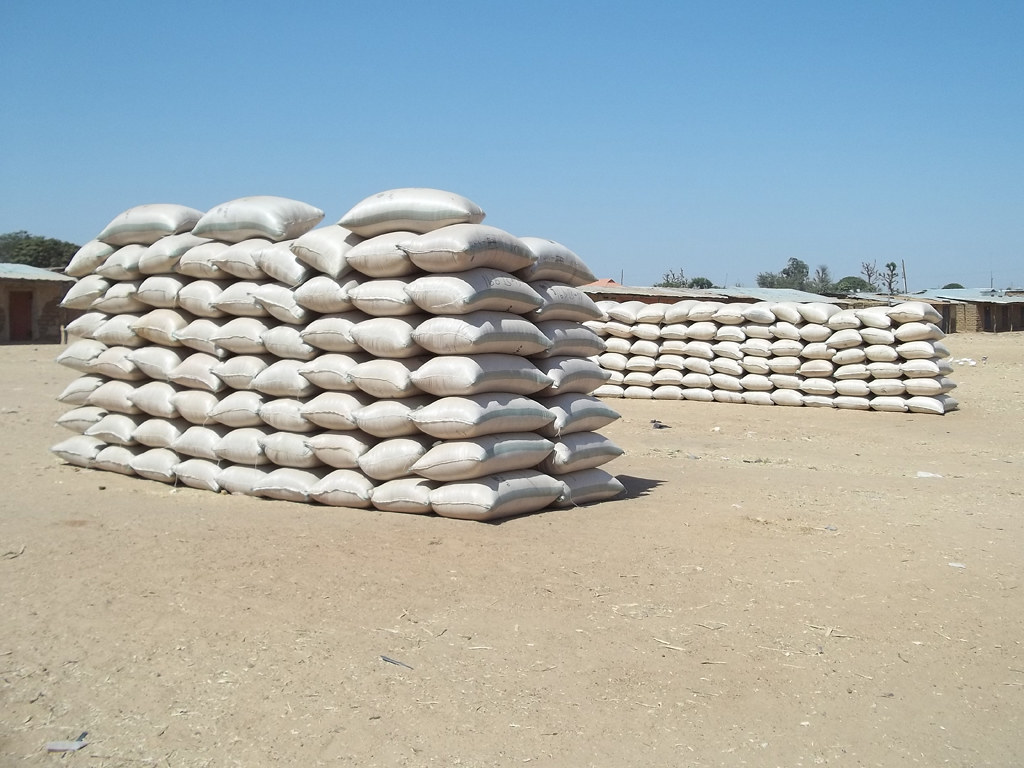
Kenya is preparing to import up to 25 million 90-kilogram bags of maize to address a projected domestic shortfall, bringing the country's perennial maize problem back into focus.
The proposed imports come amid concerns about harvest performance and the price of unga, one of the most politically and economically sensitive household commodities in Kenya.
The apparent shortage is striking because government figures show maize production had improved substantially in preceding years.
The Agriculture Ministry says production increased from 34 million bags in 2022 to 67 million in 2025, while imports declined from 9.9 million to 3.3 million bags over the same period.

So why is Kenya talking about huge imports again?
Weather is part of the problem
Poor rainfall has affected production in some growing areas.
Farmers have also faced high input costs, while changes in planting decisions can alter the acreage dedicated to maize.
Kenya's challenge is particularly difficult because maize isn't merely another commodity.
It is the country's principal staple.
A relatively small imbalance between national supply and demand can therefore quickly become a political issue when flour prices rise.
Will importing maize lower unga prices?
Not automatically.
The retail price of maize flour reflects several costs beyond the farm-gate maize price.
These include transport, milling, packaging, energy, financing and retailer margins.
The timing and structure of imports also matter.
Imports arriving too late may fail to prevent shortages.
Imports arriving when local farmers are harvesting can depress producer prices.
Government therefore has to solve two problems simultaneously: protect consumers from expensive food while avoiding policies that make maize farming unprofitable.
Why does Kenya keep having this problem?
This is the more important question.
Kenya has fertile agricultural areas and millions of farmers, yet periodic maize shortages continue.
Climate variability, post-harvest losses, input costs, productivity differences, market distortions and changing land use all contribute.
The long-term solution therefore isn't simply importing another shipment whenever stocks become tight.
It is producing more reliably from existing farmland, reducing losses after harvest and creating predictable incentives for farmers.
Until that happens, the country's most familiar food-security cycle is likely to continue:
A poor harvest, fears of shortage, importation — and another national argument over the price of unga.
You may also like
Category: Business
Related Video: Dolly Parton’s Family Announces Her Passing in Emotional Tribute
Related Explainer: Explainer: What happened to milk in Kenya?
 Facebook
 Twitter / X
 WhatsApp
 LinkedIn
 Telegram
 Reddit