
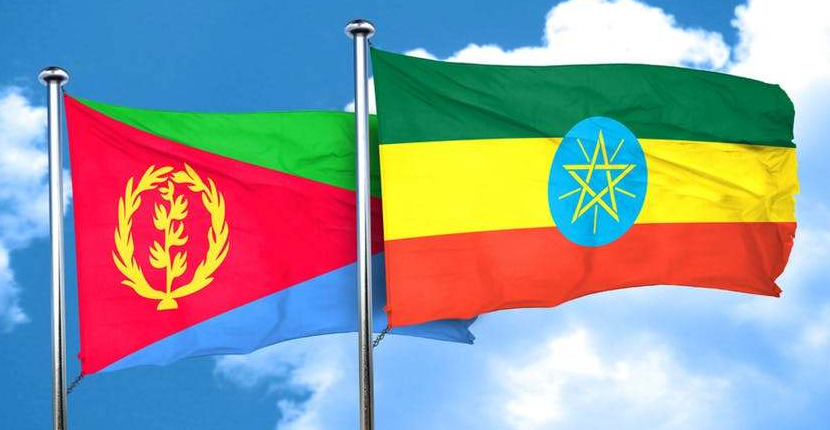
Ethiopia and Eritrea have severed diplomatic relations, opening a new and dangerous chapter in a dispute that is unfolding alongside renewed fighting in northern Ethiopia.
Addis Ababa announced on Thursday, October 1, that it was closing its embassy in Asmara and expelling 10 Eritrean diplomats, ordering them to leave Ethiopia within 48 hours.
Ethiopia accused the diplomats of activities that posed a threat to its national security.
Eritrea responded by cutting diplomatic ties altogether, saying it had been left with no option but to reciprocate.
The diplomatic rupture came as fighting between Ethiopian federal forces and an alliance led by the Tigray People's Liberation Front (TPLF) intensified across northern Ethiopia.
The escalation has also reached the capital, where explosions were heard overnight in Addis Ababa.
Diplomatic ties collapse
Ethiopia's Foreign Ministry said the 10 Eritrean diplomats had been declared persona non grata.
The decision followed growing accusations from Addis Ababa that Eritrea is supporting armed groups fighting the Ethiopian government.
Eritrea has rejected those accusations.
In announcing the break in relations, Eritrea's Foreign Ministry said Ethiopia's move had forced it to take reciprocal action.
The two countries have now returned to a level of diplomatic hostility not seen since their 20-year military standoff ended in 2018.
The deterioration is particularly significant because Ethiopia and Eritrea had rebuilt relations after years of hostility.
Prime Minister Abiy Ahmed and Eritrean President Isaias Afwerki signed a peace and friendship declaration in July 2018, reopening diplomatic and economic links between the neighbours.
That rapprochement earned Abiy the 2019 Nobel Peace Prize for his efforts to end the long-running confrontation with Eritrea.
Fighting spreads across northern Ethiopia
The diplomatic crisis comes as Ethiopia faces its most serious security escalation since the 2020–2022 Tigray war.
The TPLF has returned to open fighting with federal forces after a period of relative calm under the 2022 Pretoria peace agreement.
The conflict has spread beyond Tigray into neighbouring Afar and Amhara regions, raising concerns that the fighting could become a broader national conflict. Reuters reported that federal forces and their allies had made gains around Alamata, while opposition forces have also seized territory in Afar.
At least 52 civilians were reported killed during three days of intense fighting around Alamata, according to hospital sources cited by the BBC.
More than 700 wounded people have also reportedly been treated at hospitals in the wider area, according to humanitarian and medical reports.
The figures cannot yet be independently verified across the conflict zone.
Communications have been disrupted and access for journalists and humanitarian workers remains severely restricted.
Eritrea's alleged role remains disputed
Ethiopia has accused Eritrea of backing the TPLF-led opposition alliance.
The Ethiopian military has also accused Eritrea, Sudan and Egypt of supporting the Tigrayan forces.
Eritrea denies the allegations.
That distinction is important because there is currently no independent confirmation that Eritrea is directing or supporting the latest battlefield operations.
The latest accusations are particularly sensitive because Eritrean forces fought alongside Ethiopian federal troops during the 2020–2022 Tigray war.
That alliance has since broken down.
Relations have deteriorated further over Ethiopia's efforts to secure reliable access to the Red Sea. Ethiopia has been landlocked since Eritrea became independent in 1993, while Asmara has repeatedly objected to what it sees as pressure from Addis Ababa over access to its coastline and ports.
Explosions reported in Addis Ababa
The diplomatic fallout followed reports of explosions in Addis Ababa overnight.
Residents and diplomatic sources reported several blasts, including near Ethiopia's military headquarters.
An opposition-linked source told Reuters that its forces had carried out drone strikes against targets in the capital.
That claim has not been independently verified.
Ethiopian authorities have not publicly confirmed who was responsible for the explosions or provided an official casualty figure.
The reports came shortly after Ethiopian authorities imposed an indefinite ban on drone flights over Addis Ababa and surrounding areas, citing security concerns involving senior officials, key infrastructure and public events.
The incident marks a significant development because the fighting had largely been concentrated in northern Ethiopia.
The reported strikes suggest that the conflict's reach may be expanding, although the circumstances surrounding the explosions remain unclear.
A new regional fault line
The diplomatic break is also unfolding against a wider struggle for influence in the Horn of Africa.
Ethiopia's pursuit of Red Sea access has become a major source of tension with Eritrea and other regional actors.
At the same time, the Tigray conflict is intersecting with tensions involving Sudan and Egypt, with Ethiopia accusing those countries of supporting forces opposed to its government. Those governments have rejected the allegations.
The combination of internal fighting, competing regional interests and the collapse of diplomatic channels between Addis Ababa and Asmara has raised concerns about a wider conflict.
The African Union has urged Ethiopia, Eritrea and Egypt to exercise maximum restraint and avoid actions or statements that could further destabilise the region.
The continental body has also called for differences to be resolved through dialogue and established diplomatic channels.
Humanitarian pressure grows
For civilians, the immediate concern is the return of large-scale displacement and disruption to basic services.
The United Nations has warned that worsening insecurity is already restricting humanitarian operations in Tigray, while drone activity and airstrikes are increasing risks to civilians, infrastructure and aid workers.
The UN said humanitarian operations in Tigray were nearing a standstill because of insecurity and severe access restrictions.
The organisation has also warned that renewed fighting could deepen the humanitarian crisis left by the previous Tigray war.
The 2020–2022 conflict caused an enormous loss of life. Estimates vary widely because of the difficulty of recording deaths during the war. A widely cited African Union estimate put the toll at about 600,000, while research by Ghent University produced a range of estimates depending on methodology and the period covered.
The renewed fighting therefore comes with a heavy humanitarian legacy.
For Ethiopia and Eritrea, meanwhile, the severing of diplomatic relations removes another channel for managing a rapidly worsening security crisis.
Whether the latest rupture remains a diplomatic confrontation or develops into a broader regional crisis will depend heavily on what happens next on the battlefield and whether regional efforts to reopen dialogue succeed.
You may also like
Category: International
Related Video: What Dangote’s proposed Lamu oil refinery could mean for East Africa
Related Explainer: Kiharu Technical College September Intake 2026: Courses, Skills and New Opportunities
About the Author
Maureen Onyango is a journalist passionate about storytelling, life coaching and spiritual lessons. She studied at the Kenya Institute of Management and enjoys telling stories that inform, inspire and empower communities.
 Facebook
 Twitter / X
 WhatsApp
 LinkedIn
 Telegram
 Reddit