
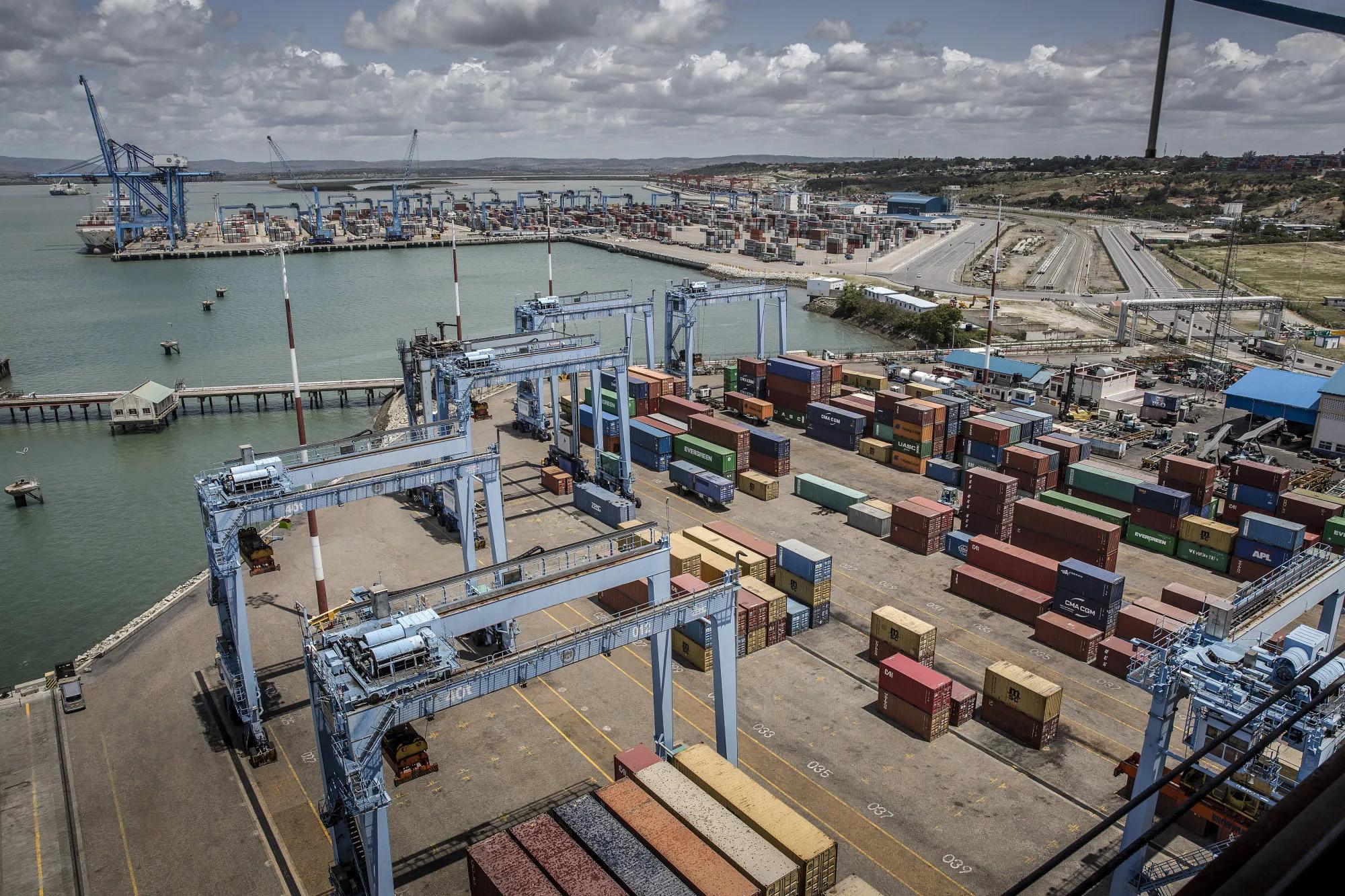
A parliamentary investigation into an alleged Sh64 billion revenue loss linked to palm oil imports through the Port of Mombasa has stalled, nearly two years after lawmakers opened the inquiry.
The National Assembly Finance and National Planning Committee began investigating claims that refined edible palm oil was being imported and declared as crude palm oil, potentially allowing importers to avoid higher customs duties.
But the probe has struggled to move forward after key officials and agencies failed to provide testimony or appear before the committee.
Among those whose appearance became central to the inquiry is former Kenya Revenue Authority (KRA) Commissioner-General Humphrey Wattanga.
The committee summoned Wattanga in September 2024 after documents presented to Parliament raised questions about the classification of palm oil consignments imported through Mombasa.
He did not appear before the committee at the scheduled session, and lawmakers later expressed frustration over attempts to secure his testimony.
How the alleged tax loss occurred
The investigation centres on claims that some consignments of refined palm oil were falsely declared as crude palm oil.
According to documents presented to the committee by the Parliamentary Budget Office (PBO), the alleged scheme involved either importing refined palm oil and declaring it as crude or blending refined palm olein with crude palm oil before declaring the entire consignment as crude.
The PBO estimated that the government could have lost approximately Sh62.9 billion in revenue between 2022 and 2024.
Its figures put the estimated loss at Sh16.5 billion in 2022, Sh32.54 billion in 2023 and Sh13.83 billion in 2024.
The parliamentary documents identified Louis Dreyfus Company Asia PTA and Louis Dreyfus Company Kenya among entities whose palm oil shipments were being examined.
Other companies and agencies were also lined up for questioning, including Kenya Bureau of Standards (KEBS), the Government Chemist, Agriculture and Food Authority (AFA), Kenya Ports Authority (KPA), Intertek and several consignees.
Why the classification matters
The dispute revolves around the difference in taxation between crude and refined palm oil.
Imported refined edible palm oil attracts a 35 per cent import duty, while semi-refined palm oil attracts a lower duty.
Imports are also subject to other statutory charges, including the Import Declaration Fee, Railway Development Levy and Value Added Tax.
The parliamentary investigation alleges that misclassifying refined products as crude palm oil would significantly reduce the amount of duty payable.
The PBO further argued that the tariff structure is intended to encourage importers to bring in crude palm oil that must then be processed locally, supporting domestic value addition and employment.
KRA disputed the Sh64bn claim
KRA has previously rejected the allegation that the government lost Sh64 billion in taxes.
Appearing before Parliament in October 2024, Wattanga maintained that the authority had followed customs and tax procedures and that the relevant taxes had been collected based on the classification, quantity, value and origin of the products.
KRA also said Louis Dreyfus Company Kenya did not directly import the products for the local market but sold them to local and regional companies that declared the goods for home use or transit.
The tax authority said laboratory tests conducted by KEBS and its own testing facilities had confirmed that consignments under scrutiny were crude palm oil.
KRA data presented at the time showed that between February 2023 and June 2024, more than 546,000 metric tonnes of various palm oil products were exported into or through Kenya by Louis Dreyfus Company Asia PTA.
Six local companies accounted for more than 315,000 tonnes of products imported from the company during the period.
Probe now in limbo
Two years after the investigation was launched, the Finance and National Planning Committee has yet to complete its inquiry and publish a final report.
Business Daily reported that the committee's work has been hampered by the failure of key witnesses to testify, including the former KRA chief, while the committee has also raised concerns about the lack of cooperation from the National Treasury.
Committee members have expressed frustration that an investigation involving billions of shillings in potential public revenue has remained unresolved.
The committee had sought information from KRA, Treasury and other government agencies to establish the quantities imported, their classification, taxes paid, laboratory results and the identities of the companies involved.
It also sought import documentation including cargo manifests, bills of lading, import declarations and KEBS reports.
Billions at stake
The controversy leaves two competing positions unresolved.
Parliamentary documents suggest Kenya may have lost tens of billions of shillings through the alleged misclassification of palm oil imports.
KRA, however, has maintained that it collected the taxes legally due and that laboratory tests supported the classification of the consignments as crude palm oil.
With the parliamentary investigation now stalled, the central question remains unanswered: Did Kenya lose billions through misdeclared palm oil imports, or were the consignments properly classified and taxed?
Until Parliament completes its investigation and publishes its findings, the Sh64 billion figure should be treated as an alleged or estimated revenue loss—not a proven loss.
For now, the controversy over Kenya's palm oil imports remains one of the country's most significant unresolved customs and revenue questions.
You may also like
Category: Business · Related Topic: Kenya Politics
Related Video: What Dangote’s proposed Lamu oil refinery could mean for East Africa
Related Explainer: Explainer: Why Kenya is moving hospitals to HMIS and what it means for SHA patients
 Facebook
 Twitter / X
 WhatsApp
 LinkedIn
 Telegram
 Reddit