
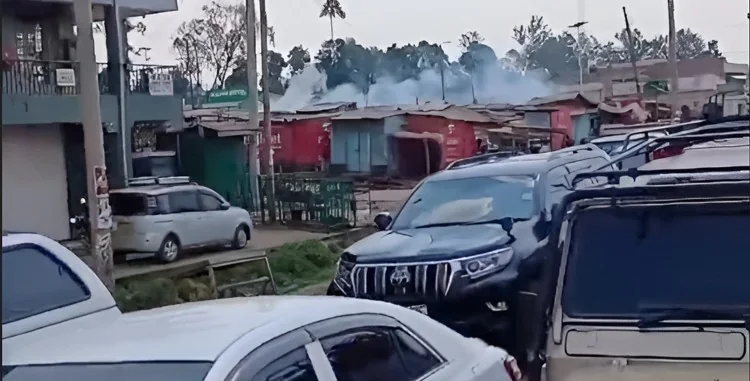
At least 11 people have died in violence linked to political rallies in Kenya since February, according to a tally published by the Nation, putting security at political gatherings under growing scrutiny as the country moves towards the 2027 General Election.
The latest deaths followed violence surrounding the Linda Mwananchi political mobilisation in Nairobi.
Families of three men who died following the Nairobi event have disputed aspects of the circumstances surrounding their deaths, while police have described them as victims of mob justice.
The cases remain the subject of competing accounts and should be treated as such until investigations establish what happened.

But the wider pattern raises a question Kenya has faced before: how can political competition take place without rallies becoming scenes of intimidation, assault or death?
The answer matters increasingly as campaigning intensifies ahead of August 2027.
Political rallies are a central part of Kenyan elections. They allow candidates and parties to reach large crowds directly, particularly in places where conventional media advertising may not reach everyone.
They can also create volatile environments.
Large crowds, rival political groups, informal security teams, police deployments and inflammatory rhetoric can combine quickly when tensions rise.
The Constitution protects political rights, including the right to participate in political activity. It also protects freedom of assembly.
Those protections do not remove the responsibility of political organisers, supporters and security agencies to keep gatherings peaceful.
Kenya's recent history gives the issue added weight.
Deaths and injuries during protests and political confrontations have repeatedly triggered investigations and calls for greater accountability over crowd control and political violence.
The Independent Policing Oversight Authority and other human rights organisations have previously scrutinised police conduct during demonstrations, while police have also pointed to violence directed at officers and members of the public during unrest.
As 2027 approaches, the critical test is therefore not which political side can assemble the largest crowd.
It is whether supporters can attend a rally, disagree with a speaker or simply find themselves near a political gathering without fearing for their lives.
The 11 reported deaths are individual cases with different circumstances. They should not be collapsed into a single explanation without evidence.
Taken together, however, they leave a serious question for political leaders, police and election authorities: what will be done differently before campaigning reaches its peak?
You may also like
Category: Politics · Related Topic: 2027 Elections
Related Video: Human Ladder Reaches Dangerous Heights as Climbers Keep Going
Related Explainer: Kiharu Technical College September Intake 2026: Courses, Skills and New Opportunities
 Facebook
 Twitter / X
 WhatsApp
 LinkedIn
 Telegram
 Reddit