
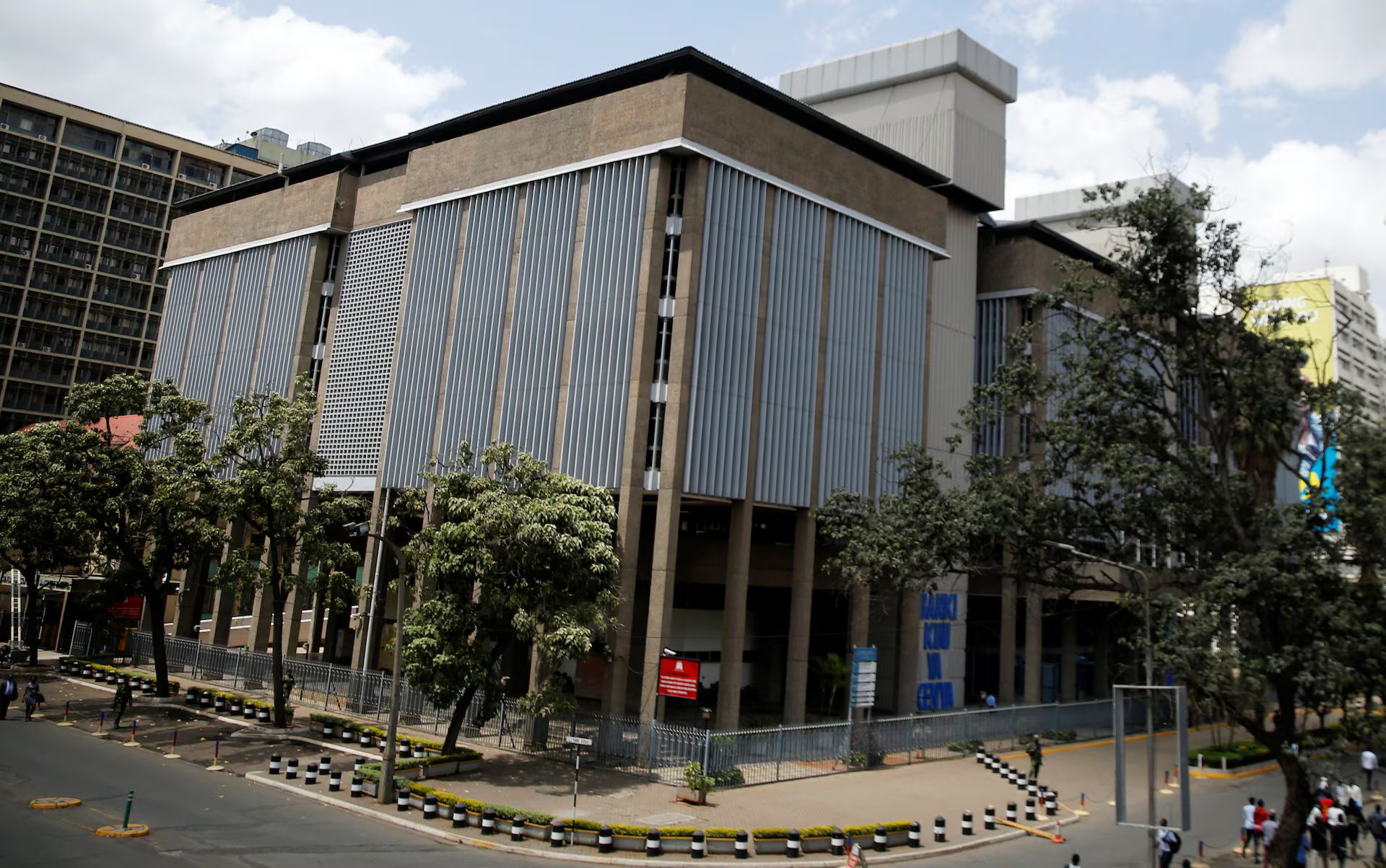
Kenya's biggest banks could soon be required to hold more capital and face closer scrutiny under regulatory changes being developed by the Central Bank of Kenya.
The changes focus on banks classified as Domestic Systemically Important Banks, commonly known as D-SIBs.
Put simply, these are banks considered so important to the financial system that serious trouble at one of them could have consequences far beyond its own customers and shareholders.
CBK proposes assessing banks using factors including their size, connections with other financial institutions, complexity and how difficult their services would be to replace.

Large lenders could face an additional capital buffer of between 0.5 and 2.5 per cent of risk weighted assets.
CBK says the additional buffer would have to be met using Common Equity Tier 1 capital, essentially some of the strongest capital available to absorb losses.
For some large banks, this could push the minimum ratio of core capital to risk weighted assets as high as 15.5 per cent, compared with the current 10.5 per cent.
“CBK may impose a surcharge on designated D-SIBs,” the regulator says in its proposed framework.
The logic is straightforward. The larger and more interconnected a bank becomes, the greater the potential damage if it fails.
But tighter requirements also have consequences.
Money held to meet additional capital requirements cannot necessarily be deployed elsewhere in the same way. Banks could therefore have to weigh expansion, lending and dividend decisions against stronger regulatory buffers.
The changes come alongside a separate overhaul of annual bank licensing fees.
Commercial banks are expected to pay fees calculated against gross annual revenue rather than primarily through the existing branch-based system.
The rate is expected to start at 0.13 per cent of gross revenue, rise to 0.14 per cent in 2028 and eventually reach 0.15 per cent.
CBK estimates licence fee collections could rise from KSh335 million recorded in the year to June 2024 to more than KSh950 million in the first year of the new system.
The regulator's own impact assessment estimates the licence fee changes alone could reduce industry profits by about 0.4 per cent.
For ordinary customers, however, the important question is whether stronger banks ultimately mean safer deposits and a more resilient financial system without unnecessarily increasing the cost of banking.
That balance between financial stability, competition and cost will determine how significant the reforms become.
You may also like
Category: Business
Related Video: Beyond Aid: How Japan Is Shaping Kenya’s SME Future | JICA Training Experience
Related Explainer: Fact Check: Did elephants save people during Nepal’s floods?
 Facebook
 Twitter / X
 WhatsApp
 LinkedIn
 Telegram
 Reddit