
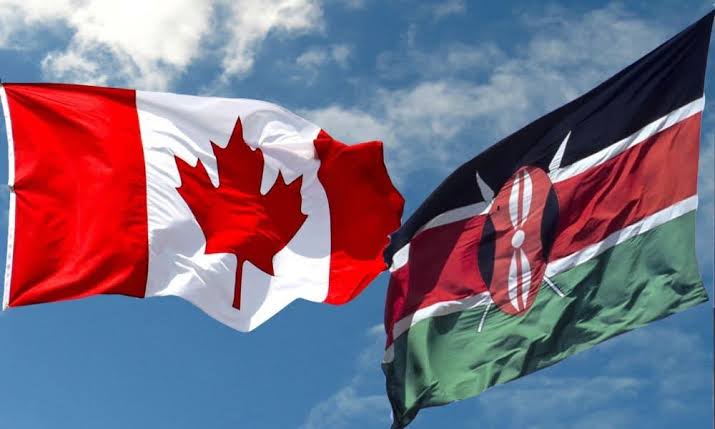
Canada has issued new Ebola precautions for people travelling to Kenya, advising them to watch for symptoms during their stay and for 21 days after leaving the country.
The advisory follows Kenya’s confirmation of its first imported case of Bundibugyo Ebola Virus Disease, involving a Kenyan man who had travelled from the Democratic Republic of the Congo (DRC). He died in Nairobi on 6 October.
However, Canada has not advised against travel to Kenya as a whole. Its updated guidance, published on 7 October, says the risk to most travellers remains low when appropriate precautions are followed.
The guidance highlights the importance of avoiding contact with people who may be infected, contaminated bodily fluids and the bodies of people who have died from Ebola or an unexplained illness. Travellers are also advised to avoid healthcare facilities in affected areas unless they need urgent treatment.
“Monitor your health while in Kenya and for 21 days after you leave,” the Canadian advisory states. Anyone who develops symptoms should isolate themselves from others and seek medical care immediately.
The guidance also recommends regular handwashing with soap and water, or using a hand sanitiser containing at least 60 per cent alcohol when soap and water are unavailable.
Kenya tracks 57 contacts linked to confirmed case
Kenya’s immediate challenge is to identify and monitor people who may have been exposed to the confirmed patient.
The Ministry of Health said on 7 October that 57 contacts had been identified. Ten had been accounted for and placed under quarantine at the National Police Service Hospital in Nairobi, while efforts to trace the remaining contacts continued.
Health Cabinet Secretary Aden Duale said the confirmed case had been imported from the DRC and did not, on its own, mean Kenya was experiencing a wider outbreak.
The government has stepped up surveillance and screening at border points as it works to prevent further transmission.
The case has also raised questions about how the patient travelled from the DRC through Uganda and arrived in Nairobi without being identified at earlier screening points. Health authorities are working to trace contacts along his journey.
There was some reassurance on Thursday, 8 October, when Wajir Governor Ahmed Abdullahi announced that preliminary laboratory results for a 20-year-old man suspected of having Ebola were negative. The patient was being assessed in Wajir County after reportedly travelling through the DRC and Uganda.
The result reduced concerns about a possible second case, although it did not change the need for continued monitoring around the confirmed case.
What the warning means for visitors
Canada’s advisory is a public health precaution, not a blanket travel ban. Visitors planning trips to Kenya should keep up with official guidance, follow instructions from local health authorities and seek medical attention promptly if they develop symptoms that could indicate Ebola.
The advice also matters for people travelling onwards from Kenya. Canada notes that some countries may introduce additional screening requirements for travellers arriving from Kenya, so passengers should check the rules for their final destination and any transit countries before departure.
The United Kingdom has also updated its Kenya health advice following confirmation of the case, asking travellers to follow local public health guidance and monitor official updates. Its separate warnings against travel to some parts of Kenya remain linked to security risks, including terrorism and kidnapping; they should not be confused with an Ebola-related restriction on the entire country.
For Kenya, the response now hinges on how quickly officials can trace the remaining contacts, monitor those at risk and communicate verified information to the public and international partners.
The Canadian advisory continues to rate Kenya as a destination where travellers should exercise a high degree of caution because of terrorism and crime. Those existing security warnings are separate from the new Ebola precautions.
You may also like
Category: News
Related Video: Human Ladder Reaches Dangerous Heights as Climbers Keep Going
Related Explainer: Ebola contact tracing: Why the 21-day window matters in Kenya’s response
About the Author
Maureen Onyango is a journalist passionate about storytelling, life coaching and spiritual lessons. She studied at the Kenya Institute of Management and enjoys telling stories that inform, inspire and empower communities.
 Facebook
 Twitter / X
 WhatsApp
 LinkedIn
 Telegram
 Reddit