
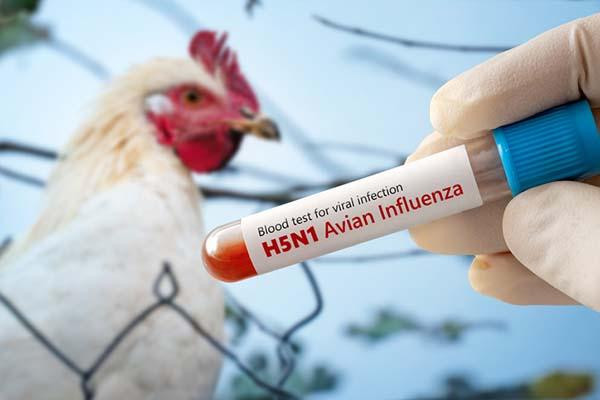
Kenya is strengthening animal-disease surveillance as authorities seek to improve the country's ability to detect avian influenza before outbreaks spread widely through poultry farms.
The move comes while farmers are already dealing with concerns over African Swine Fever, making animal disease an unusually important food-security story.
Avian influenza, commonly known as bird flu, is caused by influenza A viruses that circulate naturally among wild birds but can infect domestic poultry.
Some highly pathogenic strains can spread rapidly through chicken populations, causing high mortality and potentially devastating commercial and smallholder poultry operations.
For Kenya, the stakes are substantial.
Chicken farming supports millions of households, from small rural flocks to large commercial egg and broiler operations. An uncontrolled outbreak could therefore affect farmers' incomes, poultry supply and ultimately prices.
Surveillance is especially important because migratory wild birds can carry influenza viruses across international borders.
Early detection allows veterinary authorities to isolate affected farms, restrict movement and conduct testing before infections spread into larger poultry-producing areas.
The public-health dimension also attracts attention because some avian influenza viruses can infect humans, although the risk varies significantly by strain and circumstances of exposure.
For consumers, the key distinction is between surveillance for a threat and confirmation of a widespread outbreak.
Strengthening monitoring does not by itself mean Kenya is experiencing a nationwide bird-flu epidemic.
That distinction should remain prominent as authorities increase preparedness.
You may also like
Category: Health
Related Video: THE GENTS CONCLAVE
Related Explainer: Explainer: What happened to milk in Kenya?
 Facebook
 Twitter / X
 WhatsApp
 LinkedIn
 Telegram
 Reddit