
Good morning. Here are five of the biggest stories shaping the news this Thursday morning, from Kenya's worsening public healthcare disruption and a crackdown on foreign traders to escalating tensions in the Middle East.
1. Ruto orders crackdown on foreigners operating small businesses in Kenya
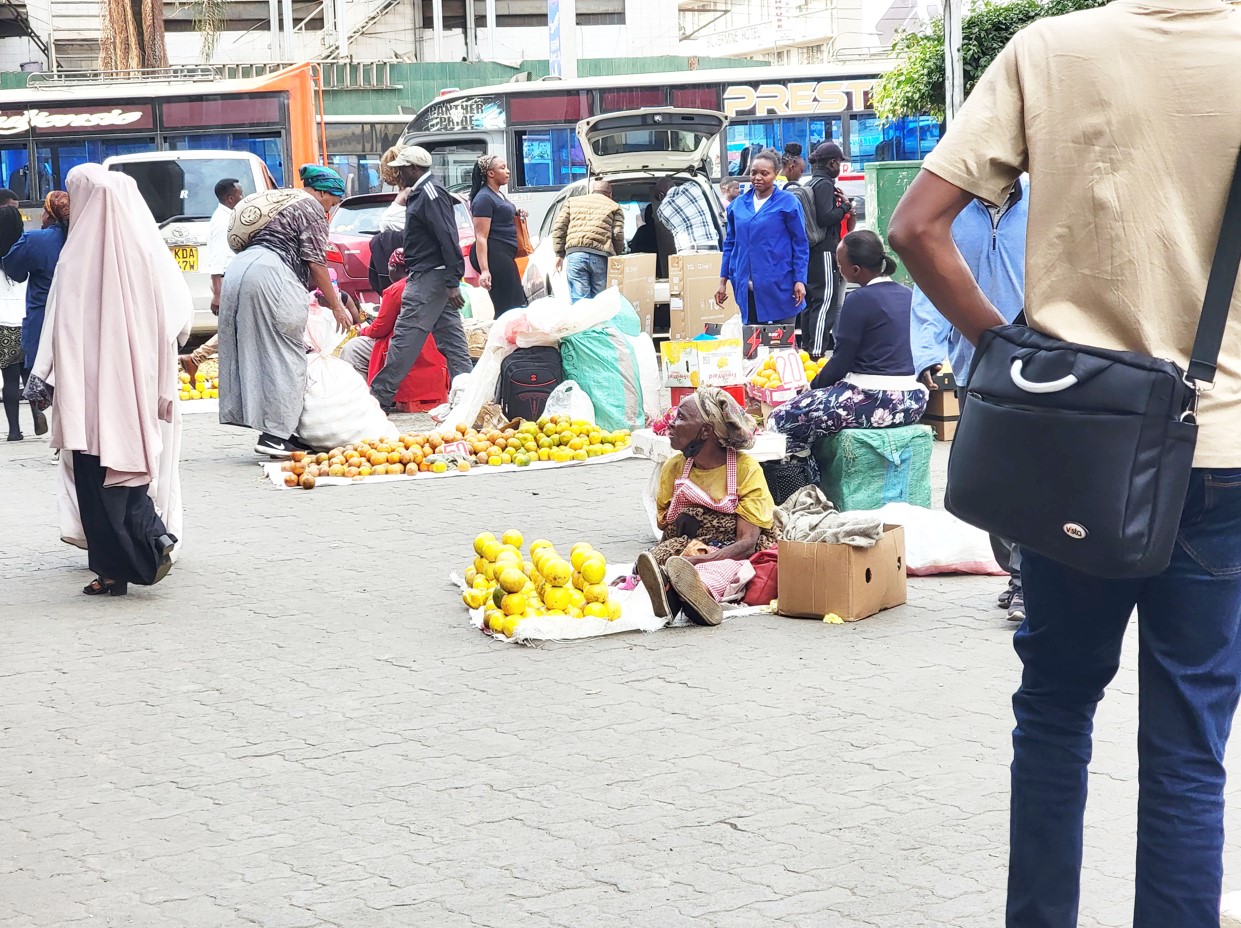
President William Ruto has ordered action against foreign nationals operating as hawkers and small-scale traders, saying some sectors of the economy should be protected for Kenyan businesses.
Speaking after meeting Micro, Small and Medium Enterprises traders at State House, Ruto said the government would begin taking administrative action against foreigners involved in small-scale retail businesses as early as next week.
The President said Kenya's efforts to attract foreign investment were intended to bring capital, create jobs and grow industries — not facilitate foreign competition with local hawkers and small traders.

Ruto also directed Majority Leader Kimani Ichung'wah to engage immigration authorities to establish the conditions under which foreign investors and traders are receiving permits.
The directive comes amid complaints from Kenyan traders about foreign-owned businesses increasingly moving from wholesale and manufacturing into retail markets.
The government is also considering legislation that would restrict foreign nationals from participating in specified categories of small-scale trade.
Separately, Ruto ordered changes to customs charges affecting consolidated cargo following complaints from traders.
Why it matters: The directive could significantly change Kenya's retail and informal business landscape, but its implementation will also raise questions about investment rules, immigration enforcement and Kenya's obligations towards legitimate foreign businesses.
2. Patients bear the cost as nurses' strike paralyses county hospitals
Kenya's prolonged health workers' dispute is developing into an increasingly serious public healthcare crisis, with patients being turned away or forced to seek expensive private treatment as services at county hospitals remain disrupted.
Nurses are demanding implementation of a Collective Bargaining Agreement signed in 2017, while clinical officers have separately been on strike since June 20 over career guidelines, risk allowances and employment terms.
At Coast General Teaching and Referral Hospital, patients have reported difficulty accessing specialist services, with families being forced to seek treatment elsewhere.
The disruption extends across several counties.
Moi Teaching and Referral Hospital in Eldoret is also reporting increased referrals as patients move away from affected county facilities.
Negotiations between the Kenya National Union of Nurses and Midwives and the Council of Governors have made progress on some issues, including employment terms for Universal Health Coverage workers and career guidelines.
However, the critical CBA dispute remains unresolved.
Union Secretary General Seth Panyako says nurses will continue their industrial action until an acceptable agreement is reached.
Why it matters: What began as an industrial dispute is increasingly becoming a patient-safety crisis, particularly for poorer Kenyans who cannot afford private healthcare.
3. US-Iran confrontation keeps Middle East — and global oil markets — on edge
The United States-Iran conflict remains one of the biggest international stories this morning following the heaviest exchange of attacks between the two countries since July.
Iran retaliated against US military interests and American allies in the Gulf following renewed American strikes on Iranian targets.
Bahrain and Kuwait reported Iranian attacks, while Jordan said it intercepted missiles.
Civilian casualties have also renewed international concern over the conduct of the war.
UN Secretary-General António Guterres has expressed alarm over the escalation and urged parties to respect international humanitarian law and halt military action.
Attention is increasingly focused on the Strait of Hormuz, one of the world's most important energy corridors.
Shipping traffic through the Strait remains severely disrupted. Reuters reported only four vessels passing through during one recent period, compared with a 10-day average of 13.
Why it matters: Roughly a fifth of global oil historically passes through the Strait of Hormuz. Prolonged disruption could keep energy prices elevated and eventually affect fuel, transport and consumer prices in oil-importing countries including Kenya.
4. Oil remains above $95 as markets watch Iran war
Global oil prices remain elevated this morning as investors assess whether the latest US-Iran confrontation will develop into another sustained round of fighting.
Brent crude was trading at around $95.20 a barrel early Thursday, while US West Texas Intermediate stood at approximately $90.77.
Prices eased slightly after the latest surge, but uncertainty around the Strait of Hormuz continues to create significant volatility.
The market's biggest concern is whether fighting could again severely disrupt oil production and shipping from the Gulf.
The latest conflict has already affected vessel movements through the Strait, while Iran has increased scrutiny of ships it considers non-compliant.
For Kenya, sustained crude prices at these levels matter because the country depends heavily on imported petroleum products.
Why it matters: Higher international oil costs can eventually feed into Kenyan pump prices, transport costs, manufacturing expenses and inflation. What happens in the Gulf therefore has direct implications for household budgets thousands of kilometres away.
5. Kenya Airways counts Sh905 million cost of aviation strike
The financial consequences of this week's aviation strike are becoming clearer, with Kenya Airways estimating that it lost more than $7 million — approximately Sh905 million — in revenue and disruption-related costs.
The industrial action disrupted flights at Jomo Kenyatta International Airport and other airports before workers returned following marathon negotiations involving unions and government officials.
The economic impact stretches beyond Kenya Airways.
Separate industry estimates suggest Kenya may have lost close to Sh800 million in airfreight export value during the disruption.
Exporters of flowers and other perishable goods were particularly vulnerable because delayed flights can reduce shelf life, result in missed delivery windows and force exporters to renegotiate prices.
Tourism, hotels, logistics companies and regional airlines were also affected.
Flights connecting Nairobi with Uganda, Tanzania, Rwanda, Burundi, Somalia and Mauritius experienced disruption, demonstrating JKIA's importance as a regional aviation hub.
Why it matters: The losses expose how quickly labour disputes affecting aviation can spread through Kenya's tourism, exports, logistics and wider economy.
What we're watching today
Beyond the five major stories, watch Kenya's political environment as security and electoral institutions raise concerns about political violence and organised goons ahead of the 2027 General Election.
The Director of Public Prosecutions says inadequate evidence is making it difficult to prosecute politicians and individuals suspected of sponsoring political violence, while police have put neutrality, human rights and inter-agency coordination at the centre of preparations for the election.
Also developing is the investigation into the abduction of Standard Group Associate Editor Alex Kiprotich, with growing pressure on authorities to establish who was responsible and bring the perpetrators to justice.
Internationally, markets will be watching the US-Iran confrontation and the Strait of Hormuz closely. Any renewed attacks or disruption to shipping could quickly move global oil prices again.
LiveNow Africa will keep you updated as these stories develop throughout the day.
You may also like
Category: News · Related Topic: William Ruto
Related Video: Dolly Parton’s Family Announces Her Passing in Emotional Tribute
Related Explainer: EXPLAINER: Why Kenya’s aviation workers are striking — and what travellers need to know
 Facebook
 Twitter / X
 WhatsApp
 LinkedIn
 Telegram
 Reddit