
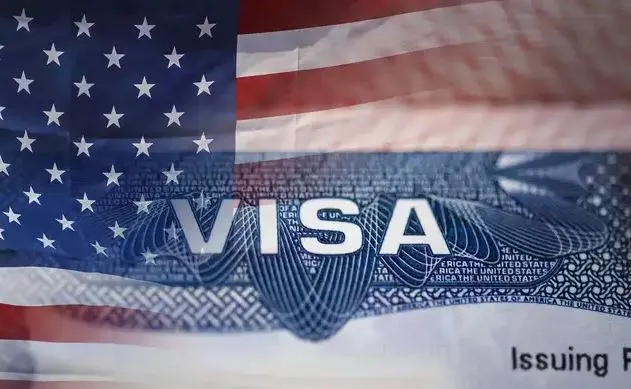
A visa application can be undone by more than a missing document. The US government is warning applicants that submitting fraudulent paperwork or false information can trigger investigations and potentially have serious immigration consequences.
The warning, issued by the US Department of State on Wednesday, August 12, comes as Washington continues to tighten scrutiny of people seeking permission to enter the country.
The State Department's Bureau of Consular Affairs said consular officers are expected to act when they encounter suspected fraud or information suggesting an applicant could pose a security concern.
“When consular officers detect fraudulent documents in a visa application or uncover information suggesting an individual may be a potential threat, we immediately alert all appropriate US government agencies,” the department said.

It added: “We are coordinating to protect national security and keep criminals and bad actors out.”
The message is particularly important for applicants who rely on agents or travel consultants to prepare their paperwork. A document being supplied by an agent does not make the applicant immune from responsibility for what is submitted in their name.
The State Department already advises visa applicants to prepare carefully and provide the documents required for their particular category. Missing or incomplete paperwork can delay an application or result in a refusal.
Why the warning matters
Visa fraud is not limited to forged certificates or altered passports. False statements in an application can also create serious problems.
That makes accuracy just as important as having the right paperwork. Applicants should ensure that information on forms, supporting documents and statements made during interviews is truthful and consistent.
The US has long maintained specialist systems for identifying document fraud. Federal law also provides for training and anti-fraud measures within the visa system, reflecting the security risks associated with fraudulent travel documents.
The latest warning does not mean every applicant is under suspicion. Rather, it signals that consular officials will continue to scrutinise applications where there are signs of fraud or security concerns.
Visa bonds add another layer of scrutiny
The warning comes against a wider tightening of US visitor-visa policy.
Washington has been operating a visa-bond programme for nationals of selected countries applying for B1 and B2 visas. Under the programme, eligible applicants may be required to provide a refundable bond of up to US$15,000 before a visa is issued.
The bond is not itself a guarantee of a visa. Applicants must first be found otherwise eligible, and payment is made only after a consular officer directs the applicant to do so.
The programme has been expanded to 50 countries, including several African states. Kenya is not among the countries listed in the latest expansion.
This distinction matters because social media posts and unofficial agents can easily blur the difference between a visa fee, a visa bond and a requirement that applies only to certain nationalities.
Applicants should therefore rely on official US government instructions rather than paying money to agents claiming they can guarantee approval.
Older green-card holders have a different rule
While scrutiny of visa applicants is increasing, not every recent US immigration change has made the process tougher.
US Citizenship and Immigration Services maintains exemptions from the English-language test for certain older lawful permanent residents seeking naturalisation.
Applicants aged 50 or above who have held permanent resident status for at least 20 years, and those aged 55 or above who have held it for at least 15 years, can qualify for an English-language exemption. They still have to take the required civics test, although it can be taken in their preferred language. Applicants aged 65 or above with 20 years as permanent residents receive additional consideration under the civics testing rules.
The two developments illustrate an important point for people dealing with the US immigration system: the rules are not moving in only one direction. Some applicants face additional scrutiny, while specific groups continue to qualify for established exemptions.
What applicants should do
For anyone applying for a US visa, the safest approach is straightforward.
Use genuine documents. Check every detail before submitting an application. Do not allow an agent to invent employment records, bank statements, travel histories or other information to make an application appear stronger.
And never assume that paying an intermediary guarantees a visa.
The US government says a visa is issued only after an applicant meets the relevant legal requirements. Its current guidance also makes clear that applicants should prepare carefully and provide the documents requested for their case.
For Kenyan applicants, the warning is a reminder that a seemingly small inconsistency can have consequences far beyond a delayed appointment.
Related Stories
- Ruaraka land saga: EACC seeks Sh2.5bn from Matiang’i, Kipsang and 23 others
- IEBC reveals 2027 ballot paper colours as voter registration push continues
- Kangemi Fire: Residents Fear People Trapped as Blaze Tears Through Homes
Category: News
About the Author
Maureen Onyango is a journalist passionate about storytelling, life coaching and spiritual lessons. She studied at the Kenya Institute of Management and enjoys telling stories that inform, inspire and empower communities.
 Facebook
 Twitter / X
 WhatsApp
 LinkedIn
 Telegram
 Reddit