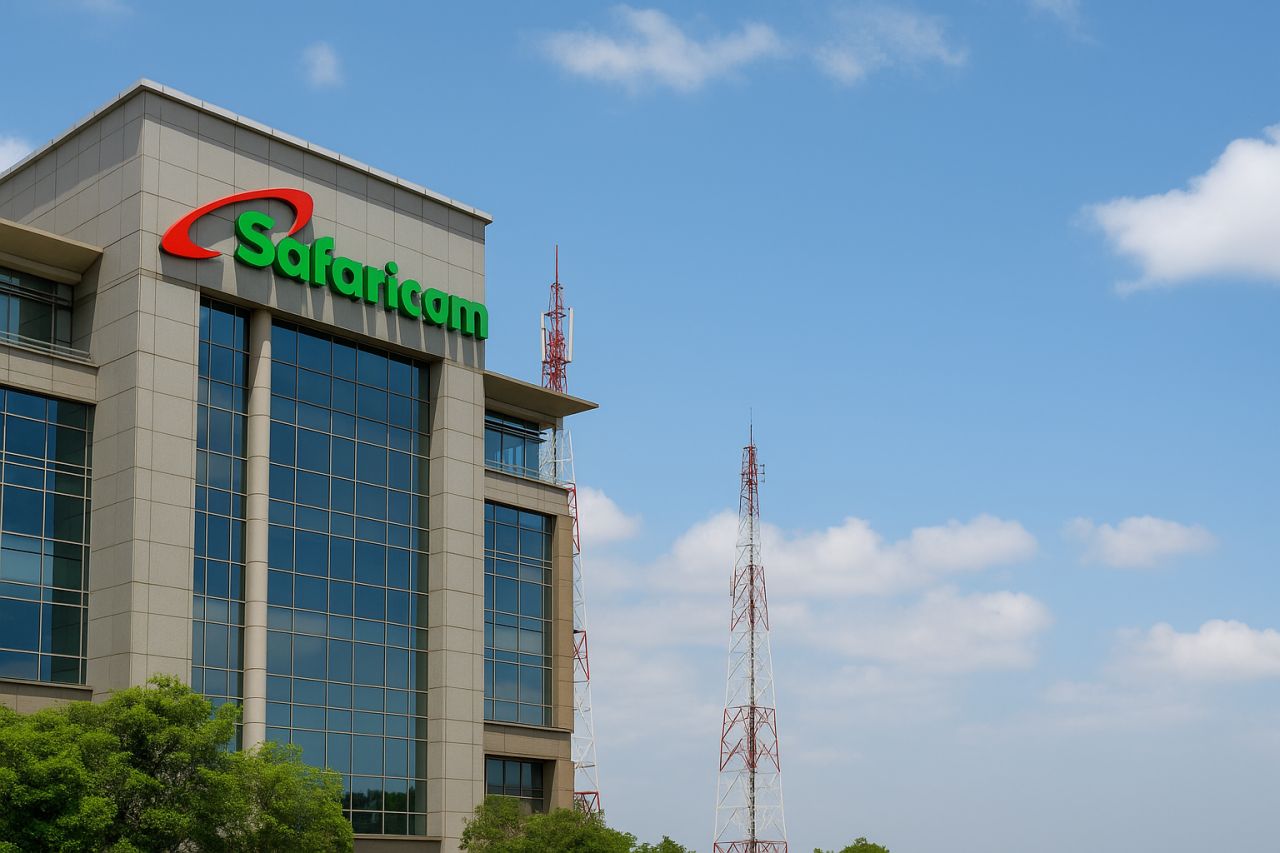
NAIROBI — The High Court has nullified the government's sale of a 15 per cent stake in Safaricom to South Africa's Vodacom Group, opening a new legal battle over one of Kenya's biggest corporate transactions.
The court declared the partial divestiture invalid, quashed approvals relating to the transaction and ordered the 15 per cent stake restored to the Government of Kenya on behalf of the public. The government has indicated it will appeal the decision.
The ruling is significant because the transaction had already been completed. Vodacom acquired six billion Safaricom shares from the government for approximately Sh204.3 billion in June, increasing its interest in Kenya's biggest telecommunications company.
The court found that the divestiture process was affected by inadequate disclosure and transparency, including over the identity and position of the proposed buyer and the implications of the transaction for control of Safaricom.

According to Business Daily, the judges found that critical information about Vodacom's resulting ownership and control had not been adequately disclosed to the public, Cabinet or Parliament.
How the deal changed Safaricom ownership
Before the transaction, the Kenyan government owned 35 per cent of Safaricom.
The sale of 15 percentage points reduced the State's holding to 20 per cent. Vodacom simultaneously moved to consolidate its interests in the company, with the transactions taking its ownership to 55 per cent and giving it majority control.
The government had planned to use proceeds from the Safaricom divestiture as part of the seed capital for the National Infrastructure Fund, which is intended to finance projects including roads, railways, energy and water infrastructure.
What happens now?
The ruling does not mean Safaricom's mobile network or M-Pesa services have been suspended. The dispute concerns the ownership transaction rather than the company's day-to-day telecommunications operations.
The immediate issue is what happens to the transferred shares and the money already paid for them.
The government has said it intends to appeal. Its initial attempt to have the judgment suspended pending appeal was unsuccessful, with the court directing parties seeking a stay to file a substantive application.
That means the dispute could now move to the Court of Appeal, potentially prolonging uncertainty over the ownership structure.
The case also raises broader questions about future government privatisations and asset sales, particularly the level of disclosure and public participation required before strategic public assets can be transferred to private investors.
For Safaricom shareholders and customers, however, the immediate significance of the judgment is primarily at ownership and governance level rather than an interruption of ordinary services.
You may also like
Category: Business · Related Topic: Social Health Authority (SHA)
Related Video: Human Ladder Reaches Dangerous Heights as Climbers Keep Going
Related Explainer: Explainer: What happened to milk in Kenya?
 Facebook
 Twitter / X
 WhatsApp
 LinkedIn
 Telegram
 Reddit