
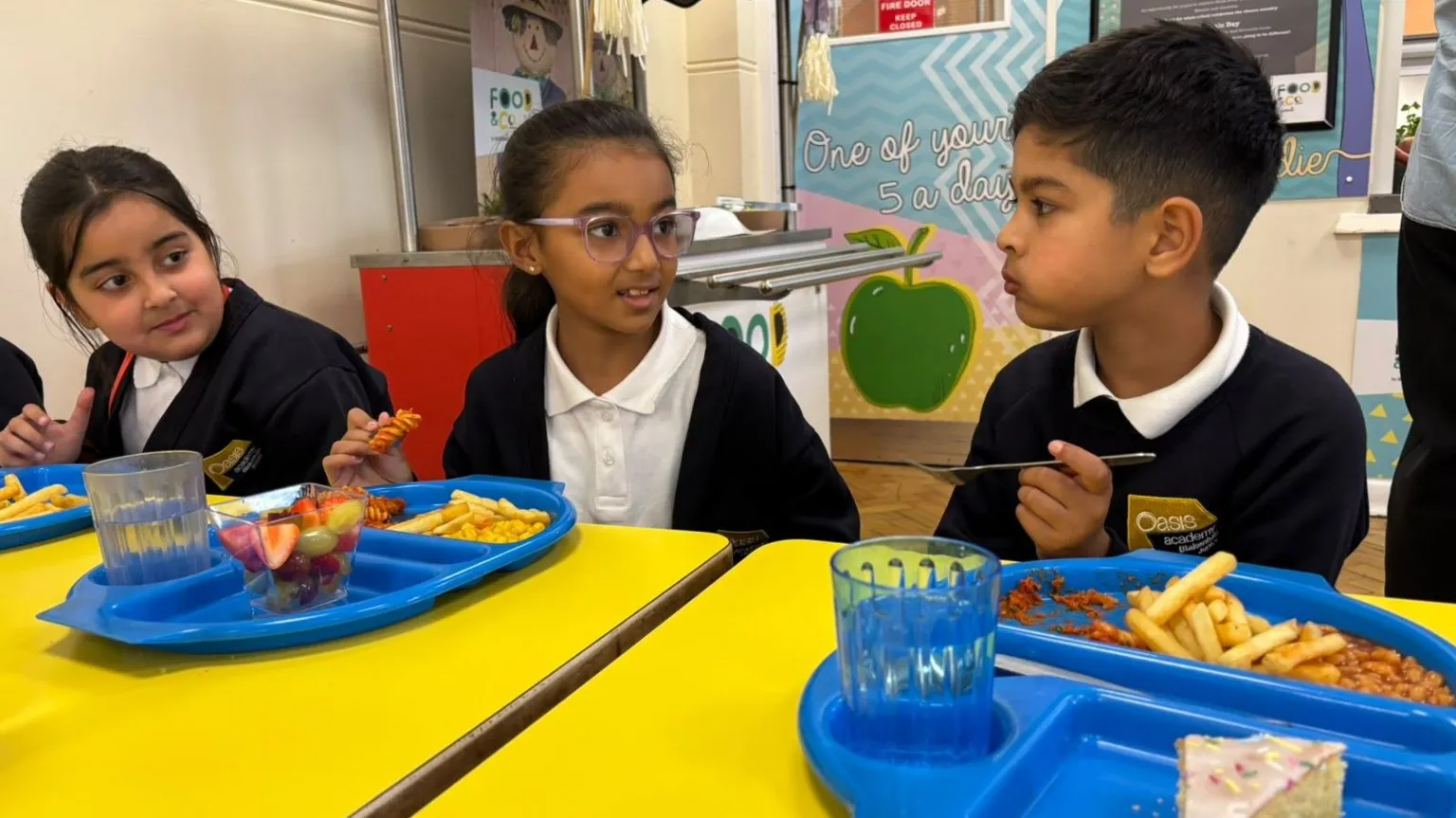
England is tightening what children can eat at school, restricting fried food, sugary cereals, processed meat and desserts. For Kenya, the announcement raises a bigger question: should school feeding programmes focus not only on whether children are fed, but also on what they are being fed?
England is preparing one of its biggest changes to school meals in more than a decade, with deep-fried food set to disappear from school menus and tougher restrictions imposed on sugar, processed meat and low-fibre foods.
Under the new standards, deep-fried chips will be replaced by oven-baked alternatives, fruit and vegetables will accompany meals, wholegrains and fibre will increase, while processed meats such as sausages and chicken nuggets will be restricted.
Breakfast clubs will also face nutrition standards, including restrictions on high-sugar cereals, pastries and chocolate spreads.

The British government says the objective is straightforward: reduce childhood obesity while improving children's nutrition, concentration, learning and long-term health. England has been consulting on updating school food regulations that have been in place for more than a decade.
But thousands of kilometres away, the policy raises a question that Kenya may increasingly have to confront.
When the government feeds a child at school, should the responsibility end with putting food on the plate, or should there be enforceable standards determining what goes onto that plate?
Why this matters to Kenya
Kenya's school feeding debate has traditionally been driven by a different and more immediate problem: hunger.
The Ministry of Education describes school meals as an important intervention for keeping children, particularly those from food-insecure households, in school. Its programmes have historically concentrated on arid and semi-arid areas and informal settlements, using both direct food distribution and cash transfers to schools.
That remains critical.
A hungry child cannot learn effectively, and in some Kenyan communities the first priority remains ensuring that a child gets a meal at all.
But Kenya is simultaneously facing another nutritional challenge: the gradual rise of overweight and obesity alongside persistent undernutrition.
WHO's Kenya profile estimates that obesity affected about 2.5% of children and adolescents aged five to 19 in 2022. UNICEF, citing the 2022 Kenya Demographic and Health Survey, says 13% of girls aged 15-19 were overweight or obese, compared with 2% of boys. It also cites projections that more than one million Kenyan children aged five to 19 could be living with obesity by 2030.
That means Kenya increasingly faces what nutrition experts call the double burden of malnutrition: some children do not get enough nutritious food, while others consume too much energy-dense, nutrient-poor food.
Feeding children is no longer enough
Kenya already recognises that school meals should be nutritious.
Ministry of Education guidelines for junior secondary schools state that learners should receive nutritious meals that meet their nutritional needs, with menus aligned to national school meals and nutrition standards.
The more difficult issue is implementation.
What exactly should a Kenyan school be allowed to sell or serve?
Should chips, mandazi, sausages, sugary drinks and heavily processed snacks be available every day? How much fruit should children receive? Should schools have minimum requirements for vegetables, whole grains and protein? And should the same standards cover food sold by school canteens and vendors?
Those questions become more important when children spend much of their day at school.
In January, the World Health Organization called on governments worldwide to adopt a "whole-school" approach to food, covering not only official meals but the wider food environment surrounding children. WHO warned that the food children routinely encounter at school can shape lifelong eating habits.
Would banning fried food work in Kenya?
Simply copying England's rules would not necessarily make sense.
The nutritional problems facing a boarding school in Nairobi are very different from those facing a public primary school in Turkana, Mandera or an informal settlement where food insecurity may be the dominant concern.
There is also the question of cost.
Fresh fruit, vegetables, quality proteins and diverse meals can be more expensive and difficult to procure, store and prepare than basic staples. Some schools lack adequate kitchens, refrigeration, clean water and trained catering staff.
Even England's school leaders have raised concerns about whether healthier menus can be delivered without additional resources.
For Kenya, therefore, the more useful lesson may not be "ban chips", but rather "set measurable nutritional standards and finance them properly."
School meals could also support Kenyan farmers
There is another reason this debate matters.
A stronger nutrition policy does not necessarily mean importing expensive foods. Kenya's Home Grown School Meals Programme was designed partly around purchasing food locally.
That creates an opportunity to connect nutrition with agriculture.
Schools could source beans, maize, millet, sorghum, vegetables, fruits, eggs and other foods from farmers and suppliers within their counties, depending on local availability.
Done properly, the school lunch plate could therefore achieve several objectives simultaneously: feed children, improve nutrition, keep pupils in school and create predictable markets for Kenyan farmers.
The bigger question is what habits schools create
The significance of England's decision goes beyond chips.
Children learn eating habits early. If highly processed, sugary and fried foods become routine during childhood, those preferences can continue into adulthood.
WHO says childhood overweight and obesity increase the risk of diabetes, cardiovascular disease and other health problems later in life.
Kenya is therefore dealing with two problems that appear contradictory but increasingly exist together: ensuring poorer children have enough food while preventing a generation from becoming dependent on unhealthy food.
That changes the policy question.
For decades, success in school feeding could largely be measured by asking: How many children received a meal?
The next phase may require Kenya to ask something more demanding:
What exactly was on their plate, who supplied it, how nutritious was it, and what will eating it every school day do to their health 20 years from now?
England's ban on deep-fried school food does not mean Kenya should automatically follow.
But it provides a useful reason for Kenya to examine whether its rapidly expanding school feeding ambitions are designed merely to fill children's stomachs, or to shape a healthier generation.
Subscribe to our newsletter
Get the latest updates and stories from LiveNow Africa, delivered to your inbox.
Choose your news updates
Select the stories you care about and how often you want them delivered.Category: Health
Related Video: Murkomen Says Kenya Is Safe: “Stop Creating a Crisis” | Political Goons & Security Under Scrutiny
Related Explainer: Kenya’s inflation holds near 30-month high as transport and food costs squeeze households
 Facebook
 Twitter / X
 WhatsApp
 LinkedIn
 Telegram
 Reddit