
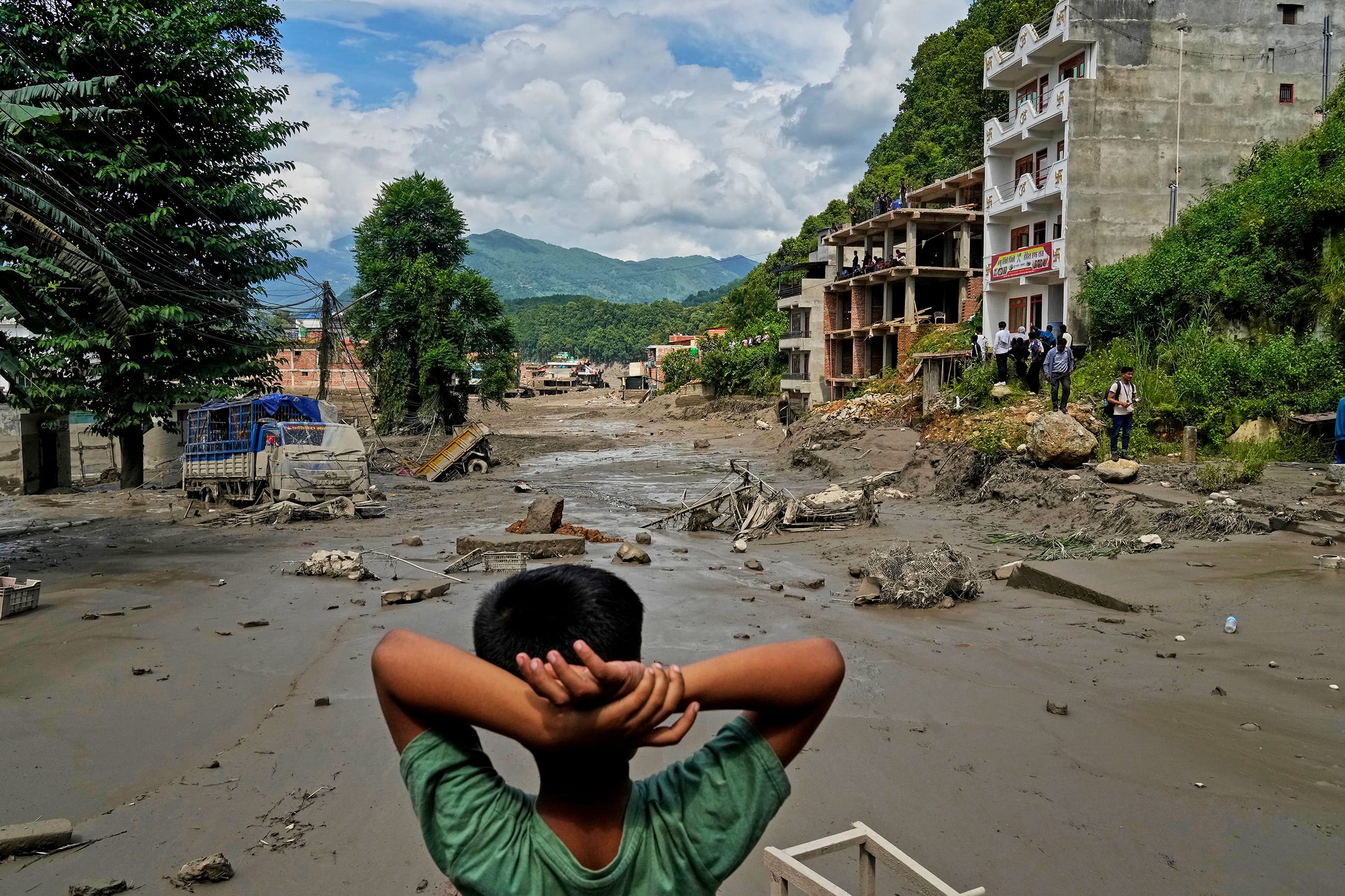
The world begins the week with rescuers searching for survivors after a catastrophic disaster in the Himalayas, an investigation into a deadly ferry sinking off northern Cyprus and the political fallout from Iceland’s rejection of a proposal to resume European Union membership talks.
Himalayan disaster leaves hundreds dead and thousands missing
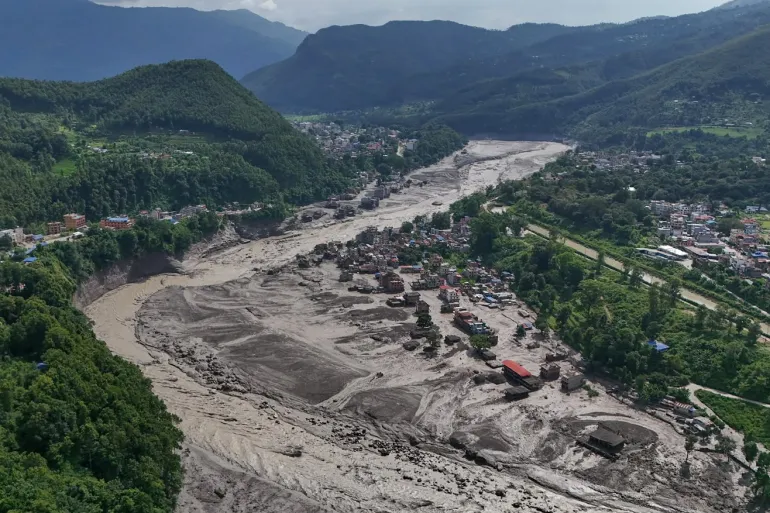
Rescue teams in Nepal and China are continuing operations after devastating floods and landslides struck communities along the Nepal-Tibet border.
Reuters reported that the disaster was triggered by the collapse of a glacier and surrounding rock, sending a massive flow of ice, debris and water into valleys and communities. The flooding swept away roads, bridges and infrastructure and severely damaged areas along the border.

The humanitarian toll has continued to rise as rescuers reach previously inaccessible areas.
Reports on Sunday put the combined death toll at around 750 or higher, with thousands of people still missing across Nepal and Tibet. The figures remain fluid as authorities continue identifying victims and receiving reports from remote areas.
Rescue teams are also searching hydropower facilities and other sites where workers and residents may have been trapped.
The disaster has raised renewed questions about early-warning systems in the Himalayan region, particularly as authorities grapple with the risks posed by rapidly changing glaciers and extreme weather.
Reuters reported that a Chinese rescue team found extensive destruction at one of the worst-hit border crossings, with roads and structures effectively wiped out by the force of the floodwaters.
At least eight killed as ferry capsizes off northern Cyprus

In the eastern Mediterranean, rescue operations are continuing after a passenger ferry carrying about 267 people and crew capsized off the coast of Kyrenia in northern Cyprus.
At least eight people were killed and 18 remained missing, according to Reuters' latest report, while 241 people had been rescued.
The privately owned ferry, FILOJET, left Kyrenia for the Turkish port of Tasucu on Sunday afternoon before beginning to take on water.
Survivors described the vessel moving erratically before its bow was damaged, allowing water to enter the ship.
The ferry eventually overturned and sank to a depth of about 514 metres, complicating efforts to determine whether anyone remained inside. Turkish and Turkish Cypriot rescue teams deployed boats and helicopters as the search continued.
The ferry's captain and crew members were detained for questioning as authorities began investigating the cause of the disaster.
The incident occurred a day after severe storms hit Cyprus, although authorities said weather conditions on Sunday were considered suitable for travel.
Families gathered at ports and hospitals awaiting information about relatives who were on board.
Iceland votes against reopening EU membership talks
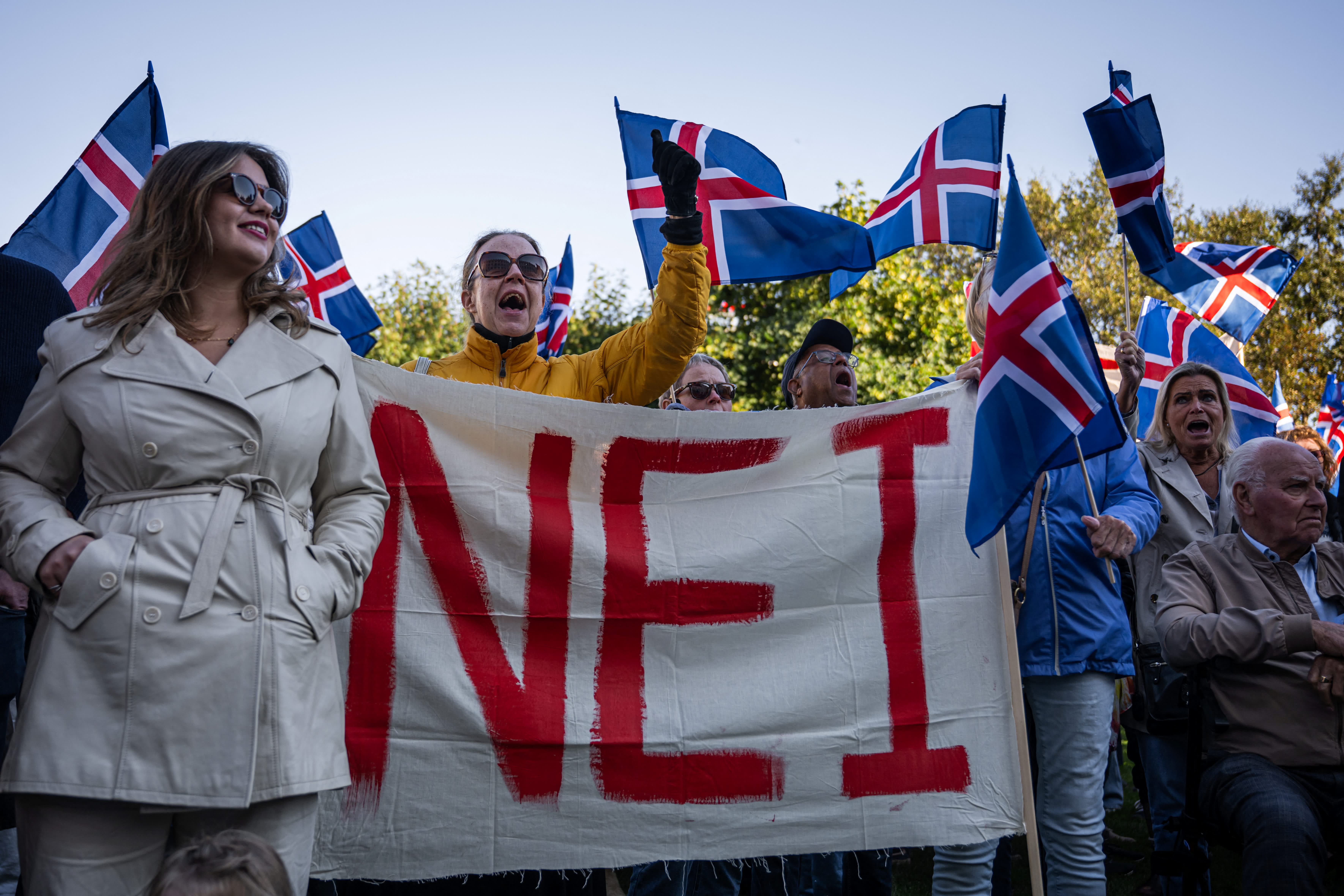
In Europe, Icelanders have rejected a proposal to resume negotiations on European Union membership.
The referendum was not a vote on joining the EU itself. Instead, voters were asked whether the country should reopen negotiations that could eventually lead to membership.
The proposal was rejected by 52.8% of voters, compared with 47.2% who supported reopening the talks, according to results reported by Reuters and Icelandic public broadcaster RUV. Turnout exceeded 82%.
The result is a setback for Iceland's pro-EU government, which had argued that renewed negotiations could give voters a clearer choice on the country's future relationship with the bloc.
Opponents, including influential fishing interests, have argued that Iceland already enjoys access to the European single market without surrendering control over important areas such as fisheries.
Iceland applied to join the EU in 2009, but accession negotiations were suspended in 2010. The referendum was therefore seen as a potentially significant step towards reopening a process that has remained dormant for more than a decade.
For the European Union, the result comes at a time when the bloc is seeking to strengthen its enlargement agenda amid changing geopolitical conditions.
For Iceland, however, voters have chosen to keep the question of renewed negotiations on hold.
Related Stories
- Norway’s Longest-Serving Modern Monarch King Harald V Dies at 89
- Nepal flood: New barrier lake raises fears of another deadly surge
- Nepal Flood Death Toll Surpasses 350 as Rising Lake Sparks Fresh Fears
Category: International
Related Explainer: Fact Check: Did elephants save people during Nepal’s floods?
 Facebook
 Twitter / X
 WhatsApp
 LinkedIn
 Telegram
 Reddit