
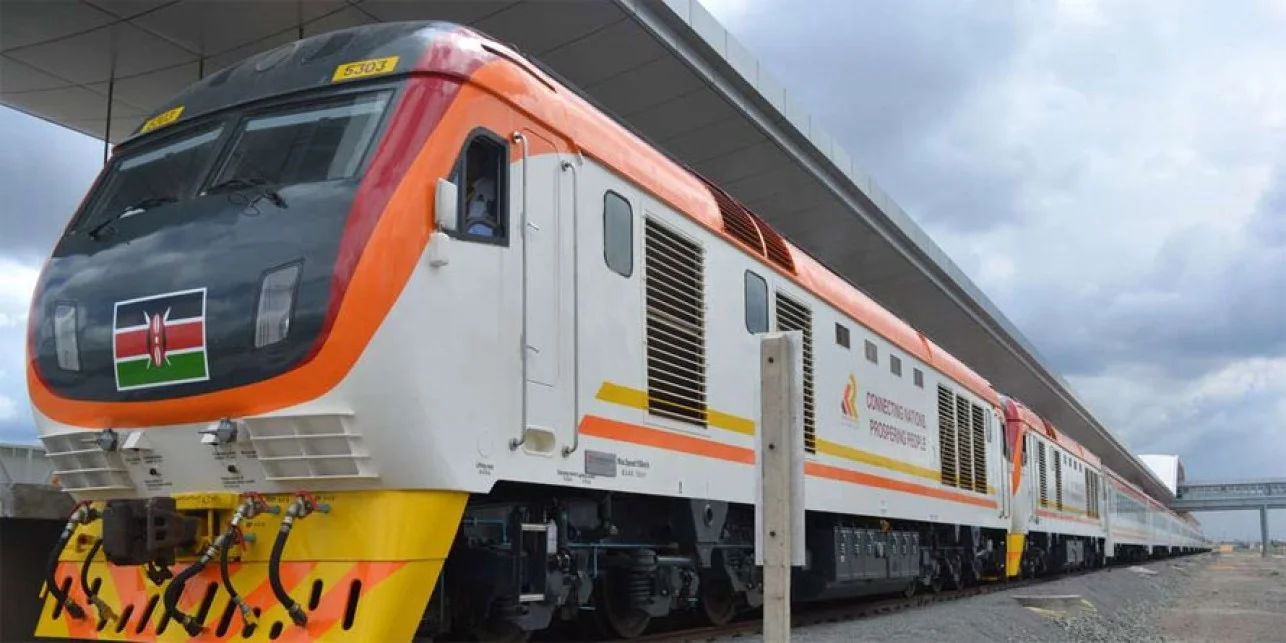
NAIROBI — For decades, Nairobi commuters have endured long hours in traffic, packed buses and unpredictable travel times. Now, Kenya Railways says a major rail modernisation project could change the way millions move around the capital and its neighbouring towns.
The state corporation has announced plans to introduce electric trains on the Nairobi commuter rail network as part of the KSh65 billion Kenya Urban Mobility Improvement Project (KUMIP), a programme backed by the World Bank and designed to improve transport across the Nairobi Metropolitan Area.
In a public notice, Kenya Railways said the project aims to improve urban mobility while supporting better land-use planning along key commuter corridors.
"The Government of Kenya, in partnership with the World Bank, intends to finance the implementation of the Kenya Urban Mobility Improvement Project," the corporation said.
At the heart of the plan is the electrification of the Nairobi commuter rail network. The move would allow the introduction of modern electric-powered passenger trains, replacing or supplementing existing diesel-powered services. According to Kenya Railways, the project will also include the acquisition of additional Diesel Electric Multiple Units (DEMUs) to support expanded operations.
The upgraded network is expected to serve Nairobi and surrounding counties, including Kiambu, Machakos, Kajiado and Murang’a. Communities along corridors such as Ruiru, Thika, Kikuyu, Karen, Embakasi, Ngong, Kitengela and Syokimau stand to benefit from improved connectivity.
Officials say electric trains could provide faster journeys, carry more passengers and reduce emissions compared with conventional diesel locomotives.
The rail improvements form part of a broader effort to address growing transport challenges in Nairobi, where rapid population growth has increased pressure on roads and public transport systems. The World Bank has previously described the project as a step towards creating a modern urban rail network while supporting development around railway stations.
Beyond the trains, the programme includes plans for station access roads, multimodal transport hubs and maintenance facilities. Kenya Railways also intends to establish workshops for servicing the new fleet and explore local production of railway components and spare parts.
Another significant element of the project is the proposed construction of a railway bridge along Likoni Road, alongside related road infrastructure aimed at improving movement across the city.
Kenya Railways has invited private sector players, contractors and industry stakeholders to a consultative meeting scheduled for June 24 at the Railway Training Institute in Nairobi. The session is expected to gather feedback on procurement plans, project implementation and available technologies before major contracts are awarded.
The project remains one of Kenya's most ambitious urban transport initiatives in recent years. While construction timelines and procurement processes are still being finalised, transport planners see the rail upgrade as a key part of efforts to reduce congestion and offer commuters an alternative to increasingly crowded roads.
For many Nairobi residents, the promise of electric trains represents more than a transport upgrade. It is a glimpse of a city trying to keep pace with its growth.