
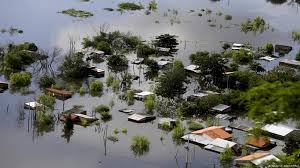
The world should prepare for the return of El Niño, a climate phenomenon known for disrupting weather patterns and driving extreme conditions, according to a new warning from the World Meteorological Organization (WMO).
In its latest update released on Tuesday, the United Nations weather agency said there is an 80 per cent chance that El Niño conditions will develop between June and August 2026. The likelihood rises to more than 90 per cent for the period through November. Most forecast models suggest the event could reach moderate or even strong intensity.
The announcement has particular significance for countries in the Horn of Africa, including Kenya, where previous El Niño events have brought destructive floods, landslides and widespread displacement.
“Warm ocean waters are fuelling the development of El Niño,” the WMO said, warning that the phenomenon is expected to influence global temperatures and rainfall patterns in the months ahead.
What El Niño Means
El Niño occurs when surface waters in the central and eastern Pacific Ocean become unusually warm. Although it begins thousands of kilometres away, its effects are felt across the globe.
The WMO says the developing event is likely to increase the risk of heatwaves, intense rainfall, flooding and drought in different parts of the world. Forecasts also point to above-average temperatures across most regions between June and August.
For East Africa, the outlook suggests wetter-than-normal conditions could emerge over the coming months. Climate experts warn that while increased rainfall can benefit agriculture in some areas, it also raises the risk of flash floods, infrastructure damage and displacement in vulnerable communities.
Memories of Past Flood Disasters
The warning is likely to revive memories of previous El Niño seasons in Kenya.
The 1997–1998 El Niño remains one of the country's most damaging weather events, bringing severe flooding that destroyed roads, bridges and homes across several regions. More recently, heavy rains linked to El Niño conditions and a positive Indian Ocean Dipole contributed to devastating floods across Kenya during the 2023–2024 period.
Those floods displaced thousands of families and caused extensive damage to public infrastructure and farmland.
Global Temperatures Could Rise Further
Scientists say the return of El Niño could also push global temperatures even higher.
The previous major El Niño event in 2023–2024 contributed to record-breaking global heat, with 2024 becoming the hottest year ever recorded. The WMO has warned that a new event developing on top of long-term climate warming could intensify heat-related risks around the world.
According to the agency, extreme heat remains one of the deadliest weather-related hazards globally, affecting health systems, food production and water supplies.
Call for Early Preparation
Despite the risks, meteorologists stress that forecasts provide governments and communities with valuable time to prepare.
The WMO urged countries to strengthen early warning systems, disaster preparedness plans and climate monitoring programmes before the effects become more severe.
“Forecasts such as what WMO presents today are a call to action,” the agency said, noting that advance planning can help reduce the impact of floods, droughts and other weather-related emergencies.
For Kenya, where climate-related disasters have become increasingly common, the latest warning is likely to place renewed attention on flood preparedness, infrastructure resilience and community-based early warning systems ahead of what could be another challenging weather season.