
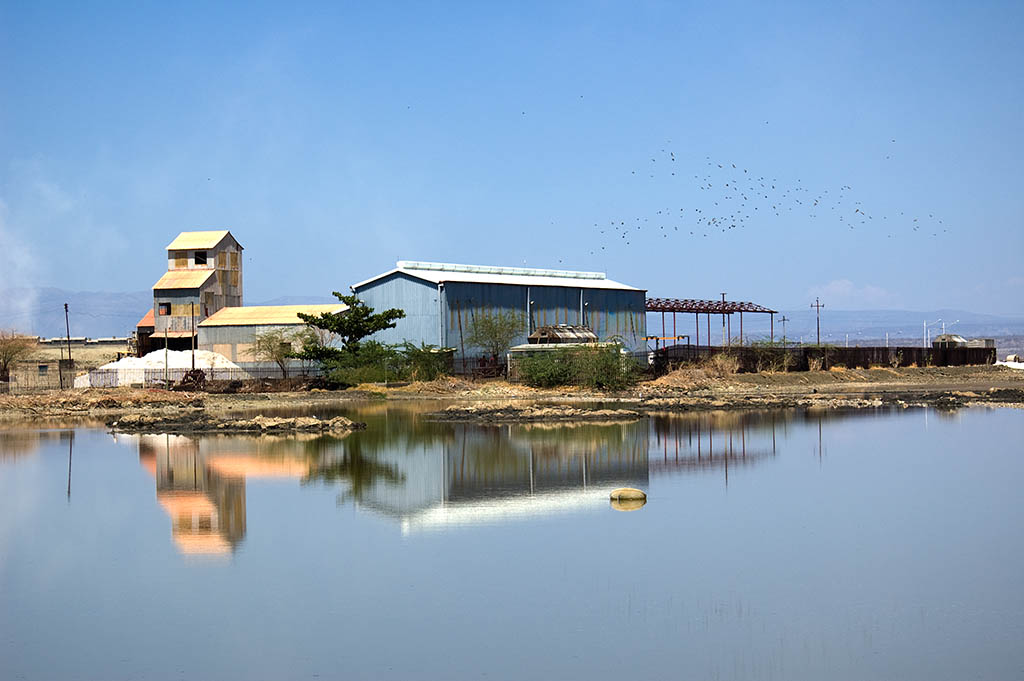
Leaders allied to the Democracy for Citizens Party (DCP) have accused President William Ruto of having undisclosed commercial interests behind the shutdown of Tata Chemicals Magadi Limited, escalating the political row over the future of one of Kenya’s oldest industrial operations.
The opposition leaders alleged that the government's decision to halt operations at the Lake Magadi soda ash producer was motivated by interests in potential mineral and petroleum resources in the area.
They did not provide documentary evidence linking President Ruto personally to the alleged interests, and their claims remain unverified.
The accusations come after Ruto publicly backed the removal of Tata Chemicals from Magadi, arguing that the company had operated in the area for more than a century without delivering sufficient industrial development and employment opportunities for the local community.

DCP alleges ulterior motive
Speaking alongside leaders from Kajiado County, DCP Secretary-General designate John Methu described the shutdown as "state-sponsored economic sabotage" and warned that it could leave workers and thousands of residents who depend directly or indirectly on the company facing economic hardship.
Methu alleged that lithium deposits and oil prospects in the Magadi area were behind the government's decision.
"The flimsy excuses given are just a decoy," Methu claimed, alleging that the government intended to remove Tata Chemicals before bringing in investors connected to powerful interests.
The allegations have not been independently substantiated.
Kajiado Senator Seki Kanar also criticised the shutdown, saying communities around Magadi rely heavily on infrastructure and services associated with the company.
He claimed more than 100,000 residents could be affected directly or indirectly and raised concerns over the future of hundreds of workers.
Ruto: Tata has not done enough for Kajiado

President Ruto has given a markedly different explanation for the government's action.
Speaking in Kajiado on September 3, the President accused Tata Chemicals of extracting resources from Lake Magadi for decades without making sufficient investments in value addition, manufacturing and local employment.
Ruto said the government intends to replace the company with investors prepared to establish manufacturing operations in Kajiado, including glass and chemical plants.
The President argued that Kenya should derive greater economic value from its mineral resources instead of primarily exporting raw or semi-processed materials.
The government says any incoming investor would therefore face conditions requiring local value addition.
Shutdown began as regulatory dispute
The dispute predates Ruto's latest remarks.
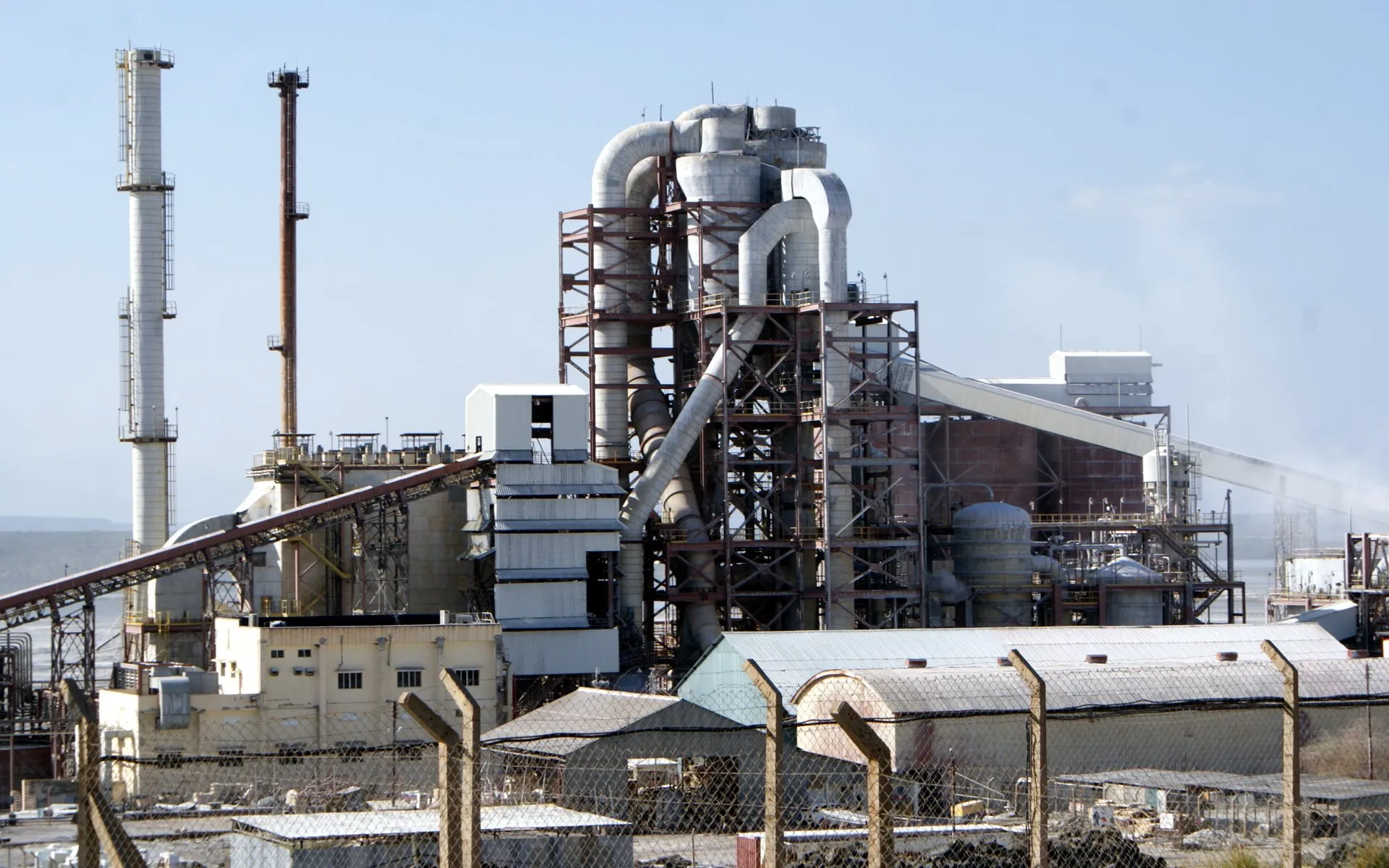
Mining Cabinet Secretary Hassan Joho suspended Tata Chemicals Magadi's mining operations on July 28, citing unresolved compliance issues under the Mining Act and associated regulations.
The Ministry said it had engaged the company for years over its statutory obligations.
Among the issues identified by the government were mineral beneficiation and value addition, royalty reconciliation and payments, and export reporting and reconciliation.
The suspension was therefore initially presented by the government as a regulatory enforcement action rather than a decision to replace Tata Chemicals with another investor.
Tata subsequently challenged the suspension in court, but the High Court declined to lift it in August.
Tata says it complied with government's demands
Tata Chemicals Magadi has disputed suggestions that it failed to respond to the government's regulatory concerns.
In August, the company said it had submitted all information, reports and documentation requested by the Ministry of Mining and maintained that it had demonstrated compliance with the applicable regulatory requirements.
The company said it remained willing to engage with the government while awaiting further direction from the Ministry.
Following Ruto's September 3 announcement, Tata Chemicals said it respected the government's authority and would continue pursuing the matter through legal and regulatory engagement.
More than a century at Lake Magadi
The controversy carries significant economic weight because Tata Chemicals Magadi is deeply embedded in the history and economy of the area.
The operation was established in 1911 as the Magadi Soda Company and extracts trona from Lake Magadi before processing it into soda ash.
Tata Chemicals describes the operation as Africa's largest natural soda ash manufacturer and one of Kenya's leading exporters.
According to the company, more than 95 per cent of its output is exported to markets in Africa, Asia, the Middle East and the Indian subcontinent.
Tata also says its Magadi operations have more than 600 people on the payroll and support health, education and other community programmes.
The company operates Magadi Hospital, which it says serves about 30,000 people in the remote area.
These figures are company-reported and are significant because they contrast with Ruto's contention that the operation has provided inadequate benefits to Kajiado residents.
Leaders raise water supply concerns
DCP and Kajiado leaders also warned that prolonged closure could affect access to water and other essential services.
Kajiado North MP Onesmus Ngogoyo said communities that had depended on water supplied through infrastructure associated with Tata Chemicals were already experiencing difficulties.
Senator Kanar separately claimed the shutdown could disrupt supplies of soda ash used in water treatment, including by Nairobi's water system.
The extent of any immediate threat to Nairobi's drinking-water supply has not been independently established, and authorities responsible for Nairobi's water supply had not publicly confirmed that the shutdown posed an imminent contamination risk.
Jobs and investment now at centre of dispute
Beyond the political accusations, the dispute is increasingly becoming a test of how Kenya balances enforcement of mining regulations, local value addition, employment, community welfare and investor confidence.
Ruto argues that Kenya should demand greater domestic industrial investment from companies exploiting its natural resources.
DCP leaders, however, contend that removing a century-old investor without a clear transition could damage livelihoods and undermine confidence in Kenya as an investment destination.
The government has said a new investor will be required to establish value-addition industries in Kajiado.
What remains unclear is who that investor will be, how the transition will be conducted, what will happen to Tata Chemicals' existing assets and employees, and whether the government will provide evidence addressing the opposition's allegations about lithium, oil and private commercial interests.
Until such evidence emerges, claims linking President Ruto personally to commercial interests in Magadi remain political allegations rather than established fact.
You may also like
Category: Business · Related Topic: William Ruto
Related Video: Murkomen Says Kenya Is Safe: “Stop Creating a Crisis” | Political Goons & Security Under Scrutiny
 Facebook
 Twitter / X
 WhatsApp
 LinkedIn
 Telegram
 Reddit