
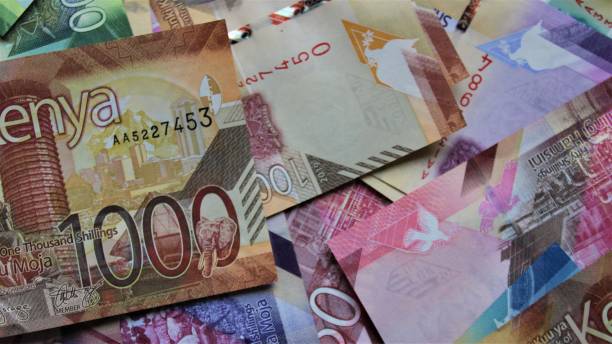
Kenya’s currency has regained ground against the dollar, offering a measure of relief to businesses and households after weeks of uncertainty tied to global tensions.
Data from the London Stock Exchange Group shows the shilling trading at about 129 to the dollar as of April 16, strengthening from just above 130 at the start of the month.
The rebound comes as the Central Bank of Kenya steps up efforts to calm markets and contain volatility.
A response to global shocks
The currency had come under pressure earlier in the month, as conflict involving the United States, Israel and Iran unsettled global markets and drove up demand for dollars.
But Central Bank Governor Kamau Thugge said the situation has since stabilised.
“Kenya’s shilling weakened slightly at the peak of the fighting… but has since clawed back most of the losses,” he said.
Speaking on the sidelines of meetings in Washington, Mr Thugge acknowledged that external pressures remain a risk.
“If there’s pressure, definitely it will depreciate,” he said, adding that any movement would be gradual rather than abrupt.
Reserves offer a buffer
At the centre of the bank’s strategy is a build-up of foreign exchange reserves.
Mr Thugge said reserves have reached their highest levels, now standing at more than $13 billion—enough to cover nearly six months of imports.
“The whole point… was precisely to be able to avoid excessive volatility,” he said.
Such reserves allow the central bank to intervene in currency markets when needed, smoothing sharp swings and maintaining investor confidence.
Looking to gold
The governor also indicated that Kenya is exploring ways to diversify its reserves, including adding gold.
Officials are studying models used in other countries where central banks purchase gold locally to strengthen their financial position.
While still at an early stage, the move signals a broader effort to reduce reliance on traditional reserve currencies.
A stronger footing, for now
The latest gains follow a period in which the shilling has been among the more stable currencies in Africa, according to recent market assessments.
For importers, a stronger currency can ease the cost of bringing in goods. For consumers, it may help slow price increases, particularly for fuel and other essentials tied to global markets.
Still, analysts caution that Kenya remains exposed to external shocks, especially fluctuations in oil prices and shifts in global demand for dollars.
For now, the central bank’s message is one of cautious confidence: the shilling is holding steady, and the tools to manage further pressure are in place.