
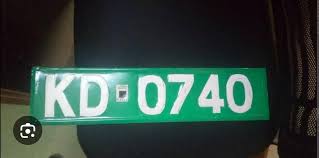
Car dealers across Kenya are scrambling to adjust after new restrictions on temporary number plates came into force, limiting how unregistered vehicles can be used on public roads.
The changes, introduced by the National Transport and Safety Authority, narrow the use of so-called KD plates to specific activities such as test drives, towing and transfers between dealerships and buyers.
For years, the plates have been widely used to move vehicles before full registration. That flexibility has now been sharply reduced.
A sudden shift for dealers
Industry players say the new rules have disrupted daily operations, especially for importers handling vehicles arriving through Mombasa.
Gladys, a car dealer who spoke in a widely shared online video, described the impact as immediate.
“Kenyan car dealers… we’ve all been hit, even us as the importers,” she said.
Under the updated rules, KD plates can only be used on vehicles registered under a dealership’s name. This effectively ends a common practice where dealers fitted the plates onto cars already registered to customers awaiting delivery.
“So if I’ve imported a car for a client and the car is in the client’s name, then it doesn’t qualify to have a dealership KD on it,” she explained.
New compliance demands
The authority has also introduced stricter conditions around insurance and access.
Vehicles using KD plates must now carry comprehensive insurance, replacing the more basic third-party cover that was often used before.
In addition, only authorised individuals linked to a dealership—such as directors—are allowed to drive vehicles fitted with the plates.
Officials have not issued a detailed public statement on each provision, but dealers say the message from regulators is clear: tighter control and accountability.
Delays for buyers
For customers, the changes may mean longer waits.
Dealers say they can no longer release vehicles before full registration, including the issuance of logbooks and permanent number plates.
“We had cars at the port that we were sure we would release for delivery, but now we have to wait,” Gladys said.
The shift is expected to slow down the buying process, particularly for imported vehicles that already face administrative timelines.
Balancing control and convenience
The regulator’s move appears aimed at addressing misuse of KD plates, including cases where unregistered vehicles are used for extended periods or in ways not intended by law.
Dealers themselves acknowledge that abuse has been an issue.
Some customers have also welcomed the changes. One buyer noted that certain dealers had been charging daily fees—sometimes as high as 2,000 shillings—for the use of KD plates, adding unnecessary costs.
The new rules, she argued, could bring more fairness and clarity.
What lies ahead
For now, the industry is adjusting to a tighter regime.
Dealers say they support efforts to curb misuse and theft but argue that the transition has been abrupt, leaving little time to adapt.
The National Transport and Safety Authority is likely to face pressure to clarify the rules further and address operational concerns.
As the changes take hold, the test will be whether they strike the right balance—improving oversight without stalling a sector that relies on speed and flexibility.