
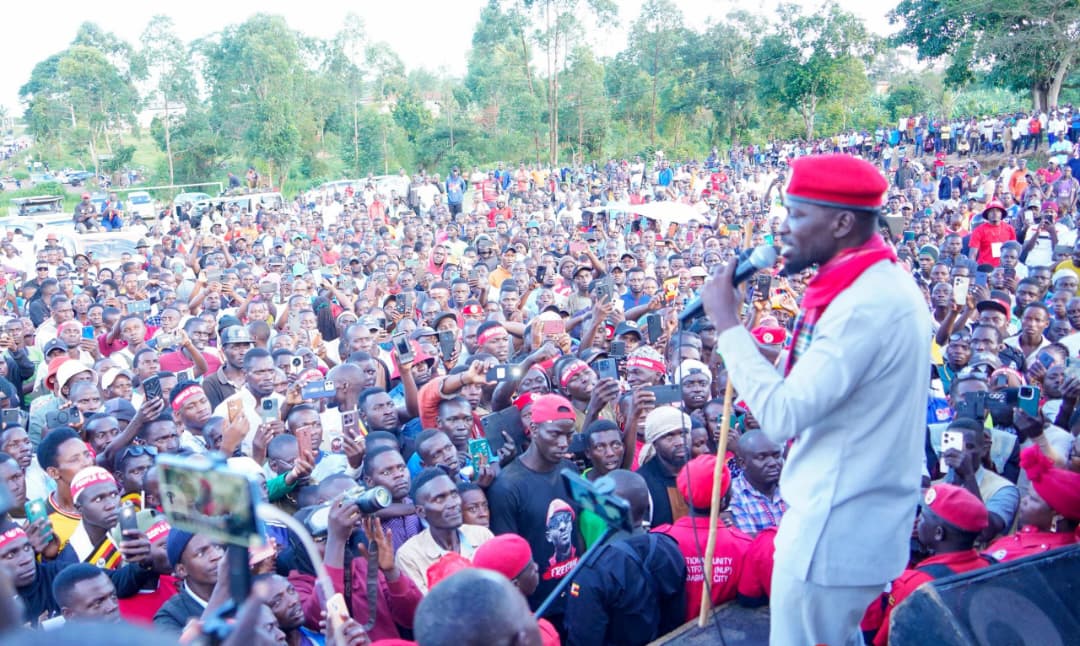
KAMPALA — Uganda’s 2026 presidential election has been a spectacle of intense campaigning, electrifying rallies and booming youth support for opposition leader Bobi Wine (Robert Kyagulanyi Ssentamu) — yet many analysts, voters and international observers say the outcome was widely seen as predetermined long before ballots were cast.
The Contenders: Youth Energy vs. Entrenched Power
Bobi Wine, a former reggae star turned politician with massive appeal among Uganda’s young population, drew huge crowds across urban areas with promises of economic reform, anti-corruption action and political renewal. His rallies were social media-fueled events, showcasing energy, music and visible public support. Yet analysts caution that big crowds don’t necessarily change election results in Uganda, where long-standing political dynamics and systemic controls shape outcomes more than occasional showmanship.

By contrast, President Yoweri Museveni, 81 and in power since 1986, has built a remarkably resilient political machine. His tenure — nearly four decades — is characterised by deep control over state institutions, security forces and rural support bases. For many Ugandans, especially outside cities, Museveni’s narrative of stability and development still resonates, even if critics deride his rule as increasingly authoritarian.
Structural Advantages That Undermine Competition
Observers, including election monitors and rights groups, highlighted fundamental structural factors that blunt opposition momentum and make change through elections extremely difficult:
-
Security and Intimidation: Heavy deployment of the military and police around Kampala and across the country raised fears among voters and opposition campaigners alike. Critics argue that this environment discourages open competition.
-
Internet Shutdowns and Information Control: Uganda experienced communication blackouts during critical phases of voting and counting — a measure authorities justified as curbing misinformation — but which also restricted transparency and real-time reporting.
-
Allegations of Fraud and Voter Suppression: Bobi Wine and the National Unity Platform alleged widespread ballot stuffing, arrests of polling agents, and logistical irregularities at stations, particularly in rural areas where the ruling party has entrenched influence.
-
Control Over Electoral Machinery: Long-standing critics note that constitutional and electoral reforms under Museveni have eroded independent checks, placing the Electoral Commission and judiciary in positions less willing or able to challenge the ruling party.
These conditions contribute to a sense that elections in Uganda are less about open competition and more about confirming the status quo — especially for national leadership — making the process feel symbolic rather than determinative. Scholars covering African politics increasingly describe such contests as “electoral authoritarianism,” where the mechanics of voting remain, but outcomes favour incumbents with overwhelming structural advantages.
Why Crowds Don’t Translate Into Change
Bobi Wine’s rallies — though massive and highly visible — are concentrated mainly in urban centers and among youth who are more active online. Uganda’s demographic reality, however, features rural communities where Museveni’s National Resistance Movement (NRM) maintains deep organizational roots and patronage networks.
Political analysts cited by local media underscore that crowd size doesn’t guarantee votes or victory in the context of Uganda’s political environment. Rallies are often strategic optics that boost perceptions of popularity, but they do not alter the underlying electoral landscape shaped by state resources, access barriers, and entrenched networks.
A Predictable Continuity?
As preliminary results and projections from the 2026 vote indicate a commanding lead for Museveni — consistent with earlier polls and pre-election expectations — many observers say the election may reinforce more than transform. Museveni’s supporters frame his expected victory as a mandate for continuity and stability, while critics argue it reflects the limits of democratic competition under long-term incumbency.
For Uganda’s young generation and opposition supporters, this dynamic fuels frustration: energized by Bobi Wine’s message and his capacity to mobilise crowds, yet facing an electoral system where structural controls and systemic advantages often outweigh popular momentum at rallies.
In this tension lies the paradox of Ugandan elections: big crowds, loud voices and youthful optimism — but an outcome that, historically and structurally, has been far easier for the entrenched power to secure than for an opposition movement to convert into leadership change.