
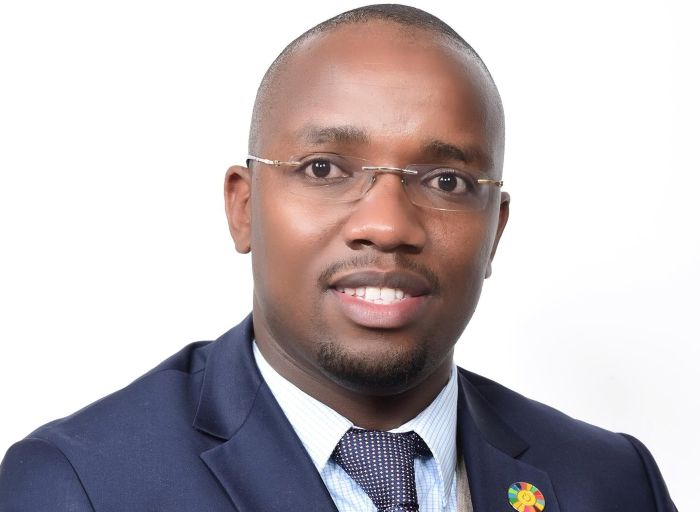
Nairobi, Kenya — The Employment and Labour Relations Court has temporarily blocked the National Government Affirmative Action Fund (NGAAF) board from convening a meeting that could have led to the removal or suspension of Chief Executive Officer Roy Sasaka, in a ruling that adds a new legal dimension to a rapidly escalating governance and corruption controversy.
In conservatory orders issued on Tuesday, Justice Jemimah Wanza Keli restrained the NGAAF board and the Cabinet Secretary for Gender and Affirmative Action from taking any action that would interfere with Sasaka’s tenure, including appointing an acting CEO or advancing any process aimed at his removal, pending a full hearing scheduled for January 21.
The court also barred the board from holding a meeting that had been planned for January 13, declaring the matter urgent and warning that any defiance of the orders would attract penal consequences.
Legal Shield Amid EACC Scrutiny
The ruling comes just days after Sasaka appeared before the Ethics and Anti-Corruption Commission (EACC) to record a statement over allegations that he possesses unexplained wealth estimated at Sh1 billion. The commission has confirmed that it conducted searches at his residence and office on January 8.
EACC says the probe is examining possible procurement irregularities at NGAAF, as well as Sasaka’s previous roles at the Kenya Deposit Insurance Corporation (KDIC) and the Competition Authority of Kenya.
Sasaka has not been charged, and his legal team maintains that he is cooperating fully with investigators.
Procurement Reforms at the Centre of Dispute
Behind the unfolding legal and investigative processes lies a deeper institutional struggle, according to multiple sources familiar with NGAAF’s internal operations.
Under the decentralised system introduced as part of the reforms at NGAAF, funds were routinely released for the purchase of sanitary towels intended for schoolgirls, but in several cases, supplies allegedly failed to reach beneficiaries. The Sh1 billion figure now dominating headlines, sources argue, reflects cumulative budget allocations for the programme over several financial cycles—not personal wealth.
The NGAAF board reportedly resolved to centralise procurement to seal loopholes, with management tasked to implement the decision. While county-based suppliers were later allowed to bid under the new framework, several are said to have failed to meet statutory requirements, fuelling resistance from commercial interests that had benefitted from the old system.
Youth Leaders Cry Foul
Over the weekend, youth leaders from Western Kenya and Nairobi took to Nairobi’s Jeevanjee Gardens to denounce what they described as a targeted campaign against Sasaka.
Led by Mulmulwas Youth Movement chairperson Hon. Luke Opwora, a nominated MCA for Bungoma Township and Majority Chief Whip in the Bungoma County Assembly, the youths framed the EACC probe and board actions as part of a coordinated effort to push a young reformist out of office.
They accused unnamed political and business actors of exploiting anti-corruption narratives to settle procurement disputes and called on leaders from Western Kenya to publicly defend Sasaka and demand an end to what they termed selective persecution.
High Stakes for a Social Fund
The controversy has placed NGAAF—an institution designed to support women, youth and persons with disabilities—under intense public scrutiny. Governance experts warn that prolonged instability could undermine service delivery and public confidence in a fund meant to advance social equity.
Legal analysts note that unexplained wealth proceedings are civil in nature and require investigators to meet a high evidentiary threshold. They also caution against conflating investigations with guilt, stressing the importance of due process.
For now, Sasaka remains in office under court protection, as investigations continue and political pressure mounts. The coming weeks are expected to test not only his leadership, but also the resilience of governance reforms within one of Kenya’s most sensitive social programmes.