Kenya’s anti-corruption watchdog is facing mounting scrutiny over its investigation into the head of a key government fund, amid claims that the case may be less about unexplained wealth and more about clashes over procurement reforms.
The Ethics and Anti-Corruption Commission (EACC) last week summoned National Government Affirmative Action Fund (NGAAF) CEO Roy Sasaka to record a statement regarding allegations that he accumulated unexplained wealth estimated at KSh1 billion between 2021 and 2026. The Commission also conducted searches at his home and office.
However, emerging details from within NGAAF, coupled with public demonstrations by youth leaders, suggest the investigation could be the latest episode in a long-running institutional conflict triggered by reforms in how public funds are spent.
Clarifying the Sh1 Billion Figure
Officials have cautioned against sensationalising the figures. The KSh1 billion frequently cited in public discourse is not merely a headline but a specific budget allocation for the procurement of sanitary towels, a programme designed to protect girls’ dignity and keep them in school.
Procurement Reforms
Sources familiar with NGAAF’s internal processes say procurement reforms were introduced following persistent concerns raised through audits, internal reviews, and parliamentary oversight, particularly regarding sanitary towel distribution. While funds were disbursed, supplies often failed to reach intended beneficiaries.
“These were not isolated lapses,” one source said. “There were systemic weaknesses that allowed money to be paid without delivery.”
Another insider noted, “The policy fight was lost. That is when it became personal.”
Public Pressure and Political Undertones

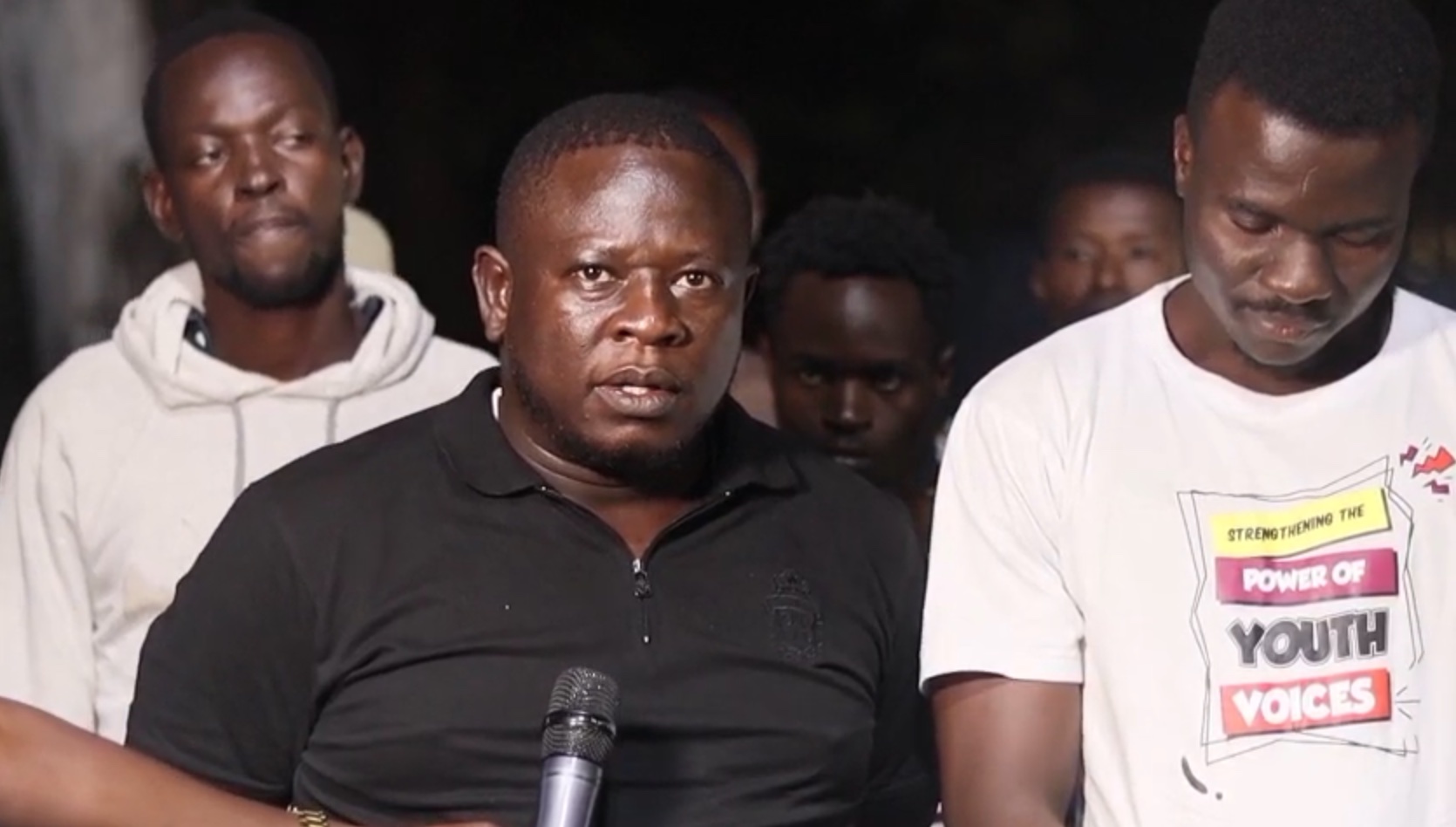
On 10 January, youth leaders from Western Kenya and Nairobi held a press briefing at Jivanjee Gardens, defending Mr Sasaka and framing the probe as politically motivated. Led by Hon. Luke Opwora, nominated MCA and chairperson of the Mulmulwas Youth Movement, the group accused unnamed actors of trying to force the young CEO out of office since October 2025.
They called on leaders from Western Kenya to defend Mr Sasaka publicly and demand an end to what they described as selective persecution of youthful leaders enforcing reforms.
Such mobilisation introduces an overt political dimension to a case that the EACC insists is purely investigative — a tension that risks eroding public confidence in both governance reforms and anti-corruption enforcement.
Legal Reality versus Political Narrative
Unexplained wealth proceedings in Kenya are civil, not criminal. The burden lies with the Commission to demonstrate, on a balance of probabilities, that assets were unlawfully acquired. Being investigated does not, in itself, imply guilt.
Mr Sasaka has not been charged with any offence. Those close to him say he is cooperating fully and has provided documentation to account for his assets.
Governance experts say the case highlights a broader dilemma: how anti-corruption agencies can pursue accountability without appearing to weaponise investigations against reform-minded officials, and how public institutions can protect reforms without shielding individuals from legitimate scrutiny.
What Happens Next
Mr Sasaka remains in office pending lawful action by the appointing authority or the courts. The EACC has not publicly addressed claims about procedural irregularities or political interference.
As the investigation unfolds, the case will test both the Commission’s evidentiary standards and its credibility — in a political climate where anti-corruption probes are increasingly judged not just by their outcomes, but by how they are initiated.
 Facebook
 Twitter / X
 WhatsApp
 LinkedIn
 Telegram
 Reddit