
Nairobi
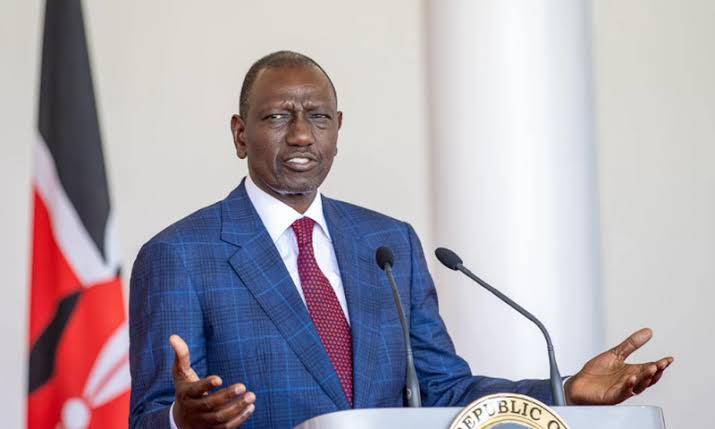
President William Ruto has made a trio of new nominations to key governance roles. This week, he appointed John Cox Lorionokou as Registrar of Political Parties, Agatha Wanjiku Wahome as deputy, and Claris Awour Onganga to lead the Kenya National Commission on Human Rights.
The announcement, delivered by State House spokesman Hussein Mohamed on 15 August, follows the departure of Anne Nderitu, who had served as acting Registrar before her appointment to the Electoral Commission, and the withdrawal of Duncan Ojwang, who declined the KNCHR position citing personal reasons.
Mr Lorionokou and Ms Wahome were selected from a shortlist compiled by the Public Service Commission. The role of Registrar demands deep knowledge of law, governance and political structures. Ms Wahome brings experience in research, risk management and electoral processes.
Ms Onganga inherits the KNCHR mantle following the passing of Roseline Odhiambo in January. She steps into the role after a formal selection panel process.
In Parliament, Speaker Moses Wetang’ula confirmed that Mr Ojwang had withdrawn from the selection process, citing a potential conflict of interest.
All nominees must now appear before the National Assembly for vetting and approval, as outlined in the Constitution.
Why It Matters
These appointments arrive at a time when Kenya grapples with political reform and accountability issues. The Registrar of Political Parties plays a key role in shaping the political landscape, administering party registration and funding under the Political Parties Act. Meanwhile, the KNCHR serves as the country’s human rights watchdog, charged with safeguarding constitutional freedoms and oversight.
The vetting hearings that follow will test the capacity of these nominees—and the Assembly—to ensure that both institutions are led by credible, capable hands.