
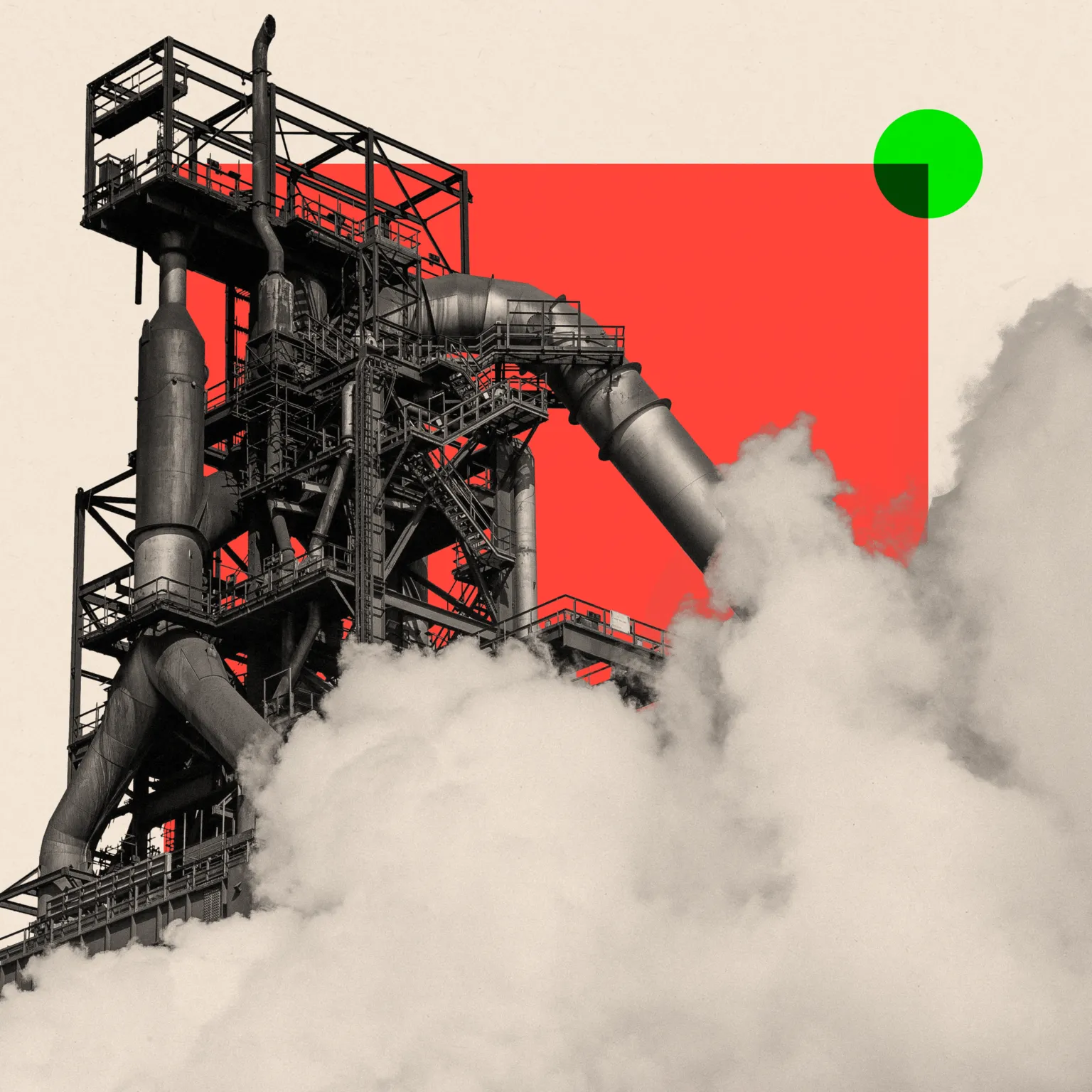
PORT TALBOT, Wales — Ryan Davies spent over three decades in the roar and heat of the Port Talbot steelworks. It was never easy work. There were long shifts, the constant thrum of machines, and fears of gas leaks. But it was steady, and for many in this corner of south Wales, it was everything.
“It was more than just a job,” he said. “Steel was Port Talbot. That’s why the town even exists.”
Now, it’s all gone.

Last year, Tata Steel, the Indian conglomerate that owns the plant, shut down Port Talbot’s two blast furnaces. About 2,000 jobs vanished — nearly half the workforce. And with it, so did the identity of a town shaped for over a century by the rise and fall of molten metal.
“It was the end of it all,” said Davies, who left on voluntary redundancy in November. He’s 51 and unsure what comes next. Not just for himself, but for his family — and his town.
Across Britain, similar stories echo in Scunthorpe, Redcar, and other communities built on steel. These are places where generations lived and worked near chimneys that marked prosperity and purpose. Now, many feel like relics in a country drifting further from its industrial past.
A Decline Forged in Tariffs and Transition

The UK once stood tall as a steel superpower. In 1970, it produced more than 26 million tonnes annually, employing over 320,000 people. Today, that figure is closer to 4 million tonnes, with fewer than 40,000 jobs remaining.
Part of the decline is structural — global competition, a shift to services, and rising energy prices. But there's a new anxiety: trade tensions with the United States.
Under former President Donald Trump, a 25% tariff on UK steel and aluminium exports was imposed. That levy remains in place, even as duties on other goods — like cars and aerospace products — were lifted.
“The US tariff regime has made it harder for UK steel to compete globally,” said Jonathon Carruthers-Green, an analyst at MEPS International, a steel consultancy. “It’s not just about immediate sales. It’s about long-term viability.”
While UK officials say negotiations are ongoing to reduce steel tariffs, there’s been little progress — and a lot of waiting. The uncertainty has already cost British producers orders from US firms, according to industry insiders.
A Future Written in Rust

To see what a post-steel future looks like, many point to Redcar in North Yorkshire.
Once a proud supplier of steel for projects like the Sydney Harbour Bridge, its plant shut down in 2015. Some 2,000 workers were dismissed almost overnight. The blast furnace — a source of civic pride — went cold.
“It was one of the most devastating things I’ve been involved in,” said Sue Jeffrey, who led Redcar Council at the time. “People lost not just jobs but the futures they imagined for their families.”
While a council taskforce helped many into new roles, Jeffrey said the work rarely matched the skilled labour they left behind. Some became chimney sweeps or dog walkers. Many took pay cuts.
“It wasn’t the kind of employment that could support a household,” she said.
Redcar has since become a cautionary tale — a symbol of what happens when steel towns are left to wither.
From Furnaces to Flat Whites

In Port Talbot, 28-year-old Cassius Walker-Hunt used his Tata redundancy payout to open a coffee shop. He invested £7,500 into espresso machines and beans.
“I’ve been working around the clock just to survive,” he said. “There’s no cushion anymore.”
Davies, the longtime steelworker, turned to art. He paints murals now — tropical fish, ladybirds, and bright, surreal scenes.
“I’m earning less, but I’m happier,” he said. “You take a grey wall and make people smile. That counts for something.”
But not all former workers can reinvent themselves so neatly.
A Political Hot Furnace
The UK’s last blast furnace still running is in Scunthorpe — but even that hangs by a thread.
Earlier this year, after Chinese firm Jingye failed to secure vital materials, the government took temporary control of the site. It had previously poured in £600 million to keep it afloat. Now, some are calling for full nationalisation.
Alun Davies of the Community Union says it's time for serious government action.
“We’re not saying keep everything on life support,” he said. “But we can’t abandon industries that support entire towns.”
Labour has yet to commit to nationalisation, and analysts warn of the steep costs and complications involved. Carruthers-Green cautions that while intervention might be necessary, “there’s no easy solution here.”
Steel Towns in the Balance
Back in Port Talbot, the chimneys still stand — silent now, but still visible from the motorway. What they represent is shifting.
“This place was built on steel,” said Davies. “If it’s not steel anymore, then what is it?”
For Britain’s steel towns, the question is no longer about the next job — it’s about identity. And no one, it seems, has the full answer yet.