
An alarming crisis has gripped Kenya as reports reveal the depletion of hydroxyurea, a vital medication crucial for the treatment of Chronic Myeloid Leukemia (CML) and sickle cell anemia patients. The dire situation has raised growing concerns among patients, medical professionals, and the public, while the government's response has been notably absent.
Healthcare in Jeopardy: Shortage of Life-Saving Drug Takes Center Stage
Kenya finds itself in the throes of a medical emergency as stocks of hydroxyurea, a critical drug used to manage Chronic Myeloid Leukemia (CML) and combat sickle cell anemia, have been exhausted. CML, a rare form of blood cell cancer, originates in the bone marrow, while sickle cell anemia is a genetic disorder causing the breakdown of red blood cells.
The acute shortage of hydroxyurea has provoked outcry from Kenyan patients and medical professionals alike, who have voiced their frustrations and pointed accusatory fingers at the government for its perceived inaction. The urgency of the situation cannot be overstated, as lives hang in the balance.
Voices of Concern: Advocates Demand Immediate Action
David Jesse, a dedicated healthcare provider, underscored the urgency of the matter: "Sickle cell crisis is a painful complication of sickle cell anemia. Currently, the drug hydroxyurea, crucial for managing these crises, is out of stock nationwide. Parents with SCD children are distressed as they struggle to source hydroxyurea."
This crisis disproportionately impacts regions where sickle cell anemia is prevalent, particularly in Nyanza and Western Kenya. Experts attribute the high prevalence of sickle cell anemia to a gene mutation that evolved to combat malaria, and the drug hydroxyurea is a lifeline for those suffering from its devastating effects.
Government Response Under Scrutiny:
Kenyans are questioning the government's response as the situation escalates. Kabongo Tan raised a critical question: "The shortage of hydroxyurea is a major concern for patients with CML and sickle cell disease. The cost of hydroxyurea has gone up from Ksh40 to Ksh65 per tablet and it's scarce or not available, what's happening?"
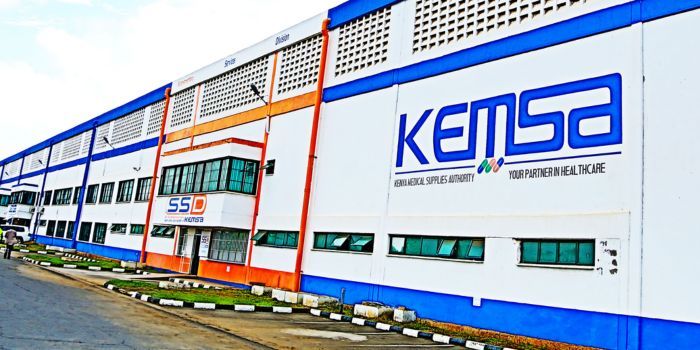
In an attempt to gather clarity, Kenyans.co.ke reached out to the Kenya Medical Supplies Agency (KEMSA). While the agency acknowledged the shortage, KEMSA Communication Officer Elizabeth Mwai shifted some of the blame onto county governments. Mwai explained that the responsibility for procuring the medicine lies with the county governments, and any shortages in public facilities could be attributed to this supply chain disruption.
A Plea for Urgent Action:
Mwai acknowledged that a lack of prioritization, increased demand, and financial constraints within the devolved units could be contributing to the crisis. Urging cooperation between county governments and KEMSA, Mwai emphasized the gravity of the situation: "The shortage of hydroxyurea is a reminder of the fragility of our health system. When a single drug becomes unavailable, it can have a devastating impact on patients."
As the shortage of this vital medication threatens lives and amplifies the vulnerabilities of Kenya's healthcare system, there is an urgent call for immediate and collaborative action to address this burgeoning crisis.