
Kenya has launched an ambitious five-year plan to expand local production of medicines, vaccines and medical devices. But with roughly 70–80% of pharmaceuticals still imported, the real test is whether the strategy can make treatment more secure and affordable for patients.
Kenya is making a new push to manufacture more of the medicines its citizens use, as the government seeks to reduce a dependence on overseas suppliers that was exposed during the Covid-19 pandemic and other global health emergencies.
In June, Kenya launched its Health Products and Technologies Local Manufacturing Strategy 2026–2030, a five-year roadmap covering medicines, vaccines, diagnostics and medical devices. The plan aims to turn existing factories into a stronger domestic and regional manufacturing base.
The scale of the challenge is considerable.
Kenya currently imports an estimated 70–80% of the pharmaceuticals it consumes. The country's health-products market is worth about US$1.2 billion a year, with more than US$760 million spent on imports. Local manufacturers produce only around 20% of the medicines on Kenya's Essential Medicines List.
That leaves Kenya vulnerable when international supply chains are disrupted — and potentially exposes patients to higher prices or shortages.
Kenya already has a pharmaceutical industry
The picture, however, is not simply one of a country that cannot make medicines.
Kenya has more than 37 licensed pharmaceutical manufacturers producing hundreds of formulations. It is already one of Africa's leading pharmaceutical exporters and the largest supplier within the COMESA region, with exports reaching Sh19.9 billion in 2024, according to WHO.
The problem is capacity and scale.
WHO says Kenyan manufacturers are using less than half of their installed production capacity. The new strategy therefore seeks to increase utilisation to 70% by 2030, while improving manufacturing standards and creating more predictable government procurement.
That last issue could prove critical.
Manufacturers need confidence that Kenyan public institutions will buy locally produced medicines consistently enough to justify investment in factories, equipment and research.
The target Kenya missed
The urgency is heightened by an earlier government ambition.
In 2023, President William Ruto committed Kenya to producing at least 50% of the medicines on the Kenya Essential Medicines List locally by 2026. That target has not been achieved.
A recent analysis by Business Daily reported that the target had slipped while Kenya's pharmaceutical import bill was approaching Sh100 billion.
The government has since set a broader goal of pharmaceutical self-sufficiency by 2028, supported by procurement reforms, regulatory changes and financing for manufacturers.
Why this matters to ordinary Kenyans
For patients, this is not simply an industrial-policy debate.
A stronger domestic manufacturing sector could mean shorter supply chains, greater resilience during international crises and potentially more predictable access to essential medicines.
But local production does not automatically mean cheaper medicine.
Factories still need imported raw materials, reliable electricity, financing, skilled workers and efficient distribution. Locally manufactured products must also meet rigorous quality standards and compete with cheaper imports.
Kenya is therefore investing in regulation alongside manufacturing. A national digital track-and-trace system launched in July 2026 is intended to improve supply-chain visibility and help combat substandard and falsified medicines.
The vaccine race
The ambition goes beyond ordinary pharmaceuticals.
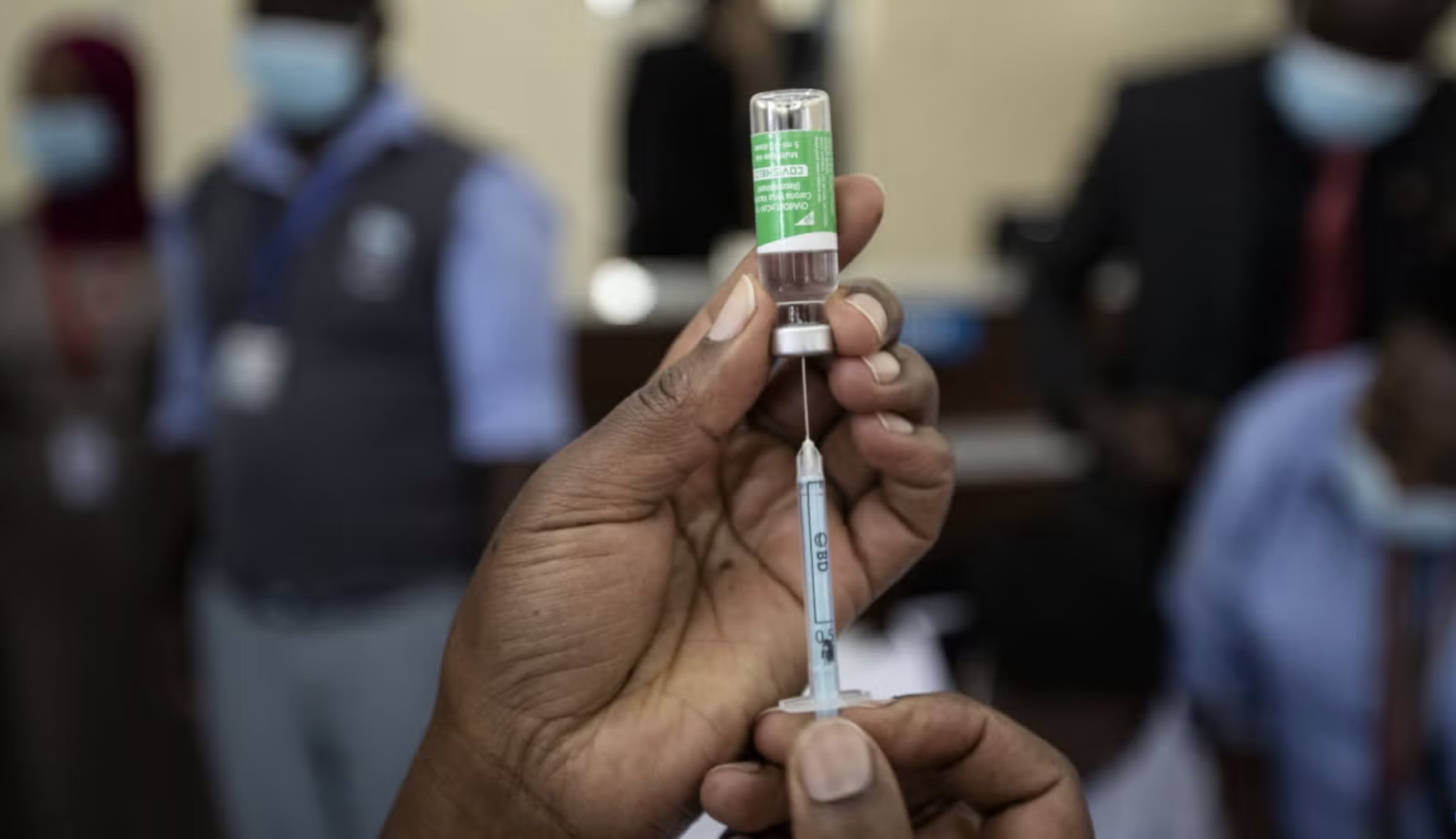
Kenya is developing capacity to manufacture vaccines through the Kenya BioVax Institute and has joined the WHO–Medicines Patent Pool mRNA Technology Transfer Programme. Japan has also committed to mobilising KSh3 billion to support Kenya's local vaccine-manufacturing agenda.
WHO says Kenya's vaccine production capability is still developing, with production expected to come later rather than immediately.
The bigger African opportunity
Kenya's ambitions also extend beyond its own borders.
The country already exports medicines to neighbouring markets including Uganda, Tanzania, Rwanda and Somalia. If local manufacturers can expand production while maintaining quality and competitive prices, Kenya could strengthen its position as a pharmaceutical hub for East Africa and the wider African market.
That makes the next four years crucial.
Can Kenya turn factories that are currently underused into a competitive industry? Can government procurement create a dependable market? Can vaccine manufacturing move from plans to actual production? And, most importantly, will patients notice the difference?
The answer will determine whether Kenya's push for health sovereignty becomes a genuine transformation — or another ambitious industrial target that falls short.
Meta description
Kenya wants to reduce its dependence on imported medicines through a new 2026–2030 manufacturing strategy. Here is what it could mean for medicine prices, shortages, jobs and health security.
Top 5 keywords
local medicine manufacturing Kenya, pharmaceutical manufacturing Kenya, medicine prices Kenya, Kenya drug imports, Kenya health manufacturing strategy
Category: Health
Related Video: What Dangote’s proposed Lamu oil refinery could mean for East Africa
Related Explainer: Ebola contact tracing: Why the 21-day window matters in Kenya’s response
 Facebook
 Twitter / X
 WhatsApp
 LinkedIn
 Telegram
 Reddit