
Nairobi
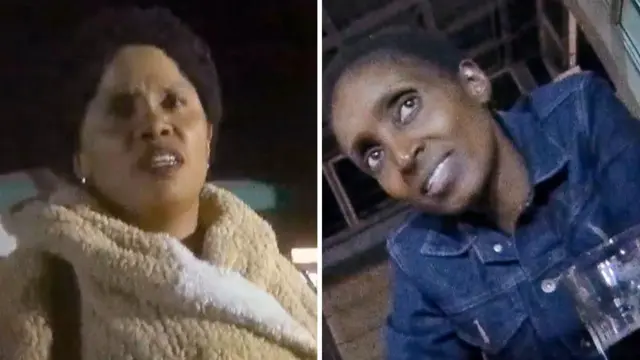
BBC Africa Eye has strongly defended its documentary Madams: Exposing Kenya’s Child Sex Trade, after Interior Cabinet Secretary Kipchumba Murkomen dismissed it as a “hoax”.
Murkomen, addressing the press on August 12, accused the BBC of relying on falsified testimonies. He claimed some featured women lied about being minors to secure a “promised sponsorship” from the journalists — an assertion he says undermined the film's credibility. Investigations are now focusing on the journalists themselves, with police examining financial records and communications.
In reply, the BBC rejected these allegations. It insisted that the documentary was produced under strict ethical standards and emphasised that contributors were neither coached nor compensated. The broadcasters also voiced concern that survivors, identified in the film, were questioned by police without legal counsel — a practice the BBC deemed troubling
The exposé sparked swift action. The National Police Service dispatched a team from its Anti-Human Trafficking and Child Protection Unit to Maai Mahiu. They have begun collecting statements from persons of interest, rescuing vulnerable minors, and extending psychosocial support. Simultaneously, the Director of Public Prosecutions instructed the DCI to submit a full investigation within seven days, as provided under constitutional mandates to protect children.
Kenyan authorities now find themselves at a crossroads. While they firmly dispute the film’s validity and question its motivations, its revelations have prompted multi-agency action and surfaced deep concerns over child protection in Maai Mahiu.