
Homa Bay
President William Ruto has accused members of Kenya’s National Assembly and Senate of soliciting bribes from government officials summoned before parliamentary committees.
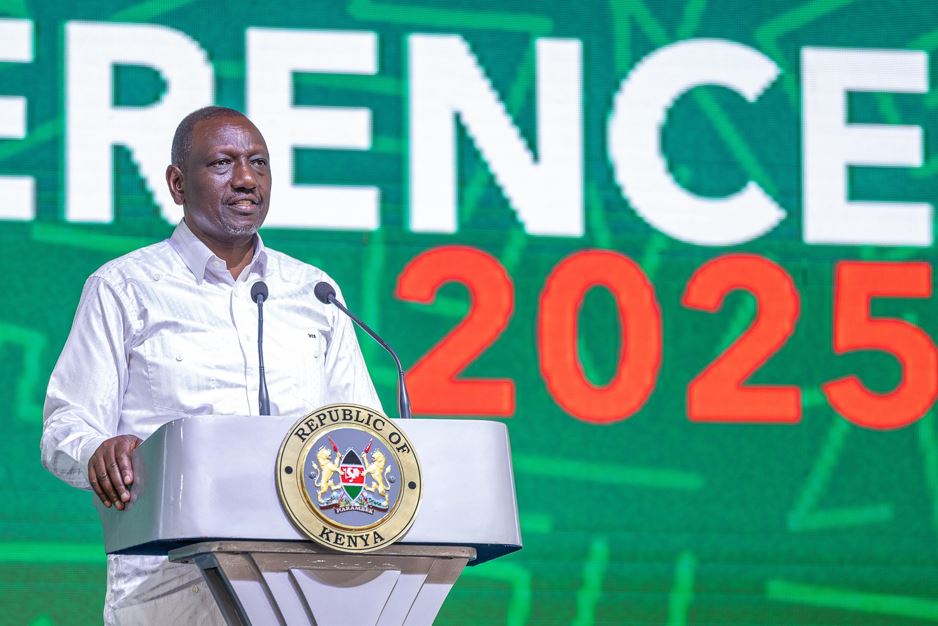
Speaking on Wednesday at the opening of the 2025 Devolution Conference in Homa Bay, Ruto claimed that Cabinet secretaries and county governors had been targeted by lawmakers seeking payments to influence committee reports or avoid scrutiny.
“Parliament must be called out,” the president said in his keynote address. “There is money being demanded from the Executive, governors, and ministers, especially those who go for accountability before our houses of parliament. It cannot continue to be business as usual.”
He urged the speakers of both houses to act, warning that the alleged extortion undermines the country’s anti-corruption drive.
His remarks echo concerns long voiced by critics of parliamentary oversight, who argue that committee investigations into contentious matters — such as the sale of state assets — have at times been compromised.
Kisii Senator Richard Onyonka, speaking separately, accused some lawmakers of protecting officials under investigation in exchange for cash. “They cannot be able to oversight. Why? Because they are part of the take,” he said. “Kenyans are on their own. Nobody is watching… these individuals are sharing the loot.”
Ruto’s criticism extended to the Judiciary, which he accused of shielding suspects through anticipatory bail orders. The legal provision, he argued, has been used to block arrests and prosecutions in corruption cases.
“I want to ask the Judiciary not to be a haven for the corrupt to hide behind judicial decisions,” he said. “We have an innovation that is only available in Kenya… Something called anticipatory bail. It takes us backwards.”
The president stressed that there would be no political interference in corruption prosecutions. “There will be no sacred cows and no telephone calls from anywhere, below or above, to stop anybody from being prosecuted,” he said. “The Ethics and Anti-Corruption Commission must take up its role.”