
Kenyan police have launched a high-level investigation into child sex trafficking following a BBC Africa Eye documentary that exposed harrowing cases of underage girls being exploited in the town of Maai Mahiu.
The film, Madams: Exposing Kenya's Child Sex Trade, aired earlier this week and shed light on a grim underworld where girls as young as 13 are trafficked for sex, often with the help of women referred to as "madams."
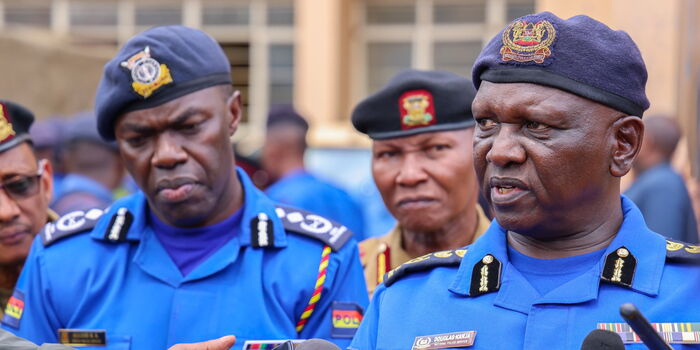
In response, Inspector General of Police Douglas Kanja has ordered the deployment of a specialised multi-agency task force, including officers from the Anti-Human Trafficking and Child Protection Unit (AHTCPU), to begin immediate investigations on the ground.
“Our children are our future,” the National Police Service (NPS) said in a statement, quoting Article 53(1) of Kenya’s Constitution and the Children Act (2022). “We are committed to ensuring every reported case of trafficking and abuse is thoroughly investigated. No child should live in fear.”
Special Unit Deployed
Within hours of the exposé airing, the task force had arrived in Maai Mahiu and begun interviewing witnesses and gathering evidence. So far, three people have been questioned as persons of interest in the ongoing probe.
Police say efforts are underway to identify and rescue any children still trapped in the exploitation network. Authorities have not yet announced any arrests.
“This is a priority case,” a senior officer from the Directorate of Criminal Investigations (DCI) told this reporter off the record. “We are leaving no stone unturned.”
A Digital Trail of Abuse
The case also highlights a growing concern: the digital spread of child sexual abuse material.
To tackle this, the police have activated Kenya’s first forensic cybercrime unit dedicated to identifying online child exploitation. The unit is directly linked to Interpol’s International Child Sexual Exploitation (ICSE) database, making it easier to trace perpetrators and rescue victims seen in abusive content.
“We recognise the growing threat of online child sexual exploitation,” the NPS said. “This cyber unit, the first of its kind in Africa, is working with international partners to identify victims faster and prevent further harm.”
The unit also works closely with the Victim Identification Network (VIN), a global alliance that aids in the swift rescue of exploited children featured in digital content.
Public Urged to Speak Up
Authorities are now calling on the public to help dismantle child trafficking networks by reporting any suspicious behaviour.
“This is not a job for the police alone,” said a community officer in Naivasha. “Neighbours, boda boda riders, even hotel staff—they often see things. We need them to speak.”
The BBC documentary has sparked widespread outrage and forced a national conversation on the silent suffering of vulnerable girls in parts of Kenya. Rights groups have welcomed the police response but are urging transparency and follow-through.
“It’s not the first time we’ve seen exposés like this,” said a child protection advocate who asked not to be named. “The question is—will there be real justice this time?”
As investigations intensify, many will be watching closely, hoping this moment becomes a turning point in Kenya’s long fight against child exploitation.
