
NAIROBI, Kenya —
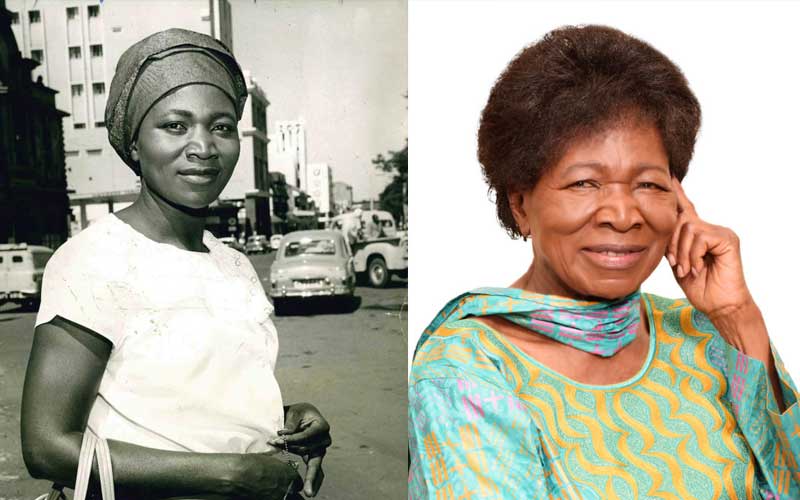
As the sun sets on the life of Dr Phoebe Muga Asiyo, Kenyans are reflecting on a legacy that stretched far beyond politics and deep into the heart of child welfare.
Dr Asiyo, a towering figure in Kenya’s public life and a relentless advocate for women and children, died on July 16 at the age of 90 in North Carolina, United States. She will be laid to rest this Friday in her ancestral home in Wikondiek Village, Homa Bay County.
“She gave thousands of disadvantaged children not just care, but a reason to live,” said Irene Mureithi, Chief Executive Officer of the Child Welfare Society of Kenya (CWSK), where Dr Asiyo once served as CEO. “Many of them are now accomplished men and women in Kenya and beyond, while others are still being nurtured in the very institutions she helped build.”
From the Coast’s Mji wa Salama in Mombasa to Mama Ngina Children’s Homes in Nairobi and Kisumu, Dr Asiyo left behind more than brick-and-mortar shelters. She left safety, dignity, and hope.
A Trailblazer in Child Protection
Dr Asiyo led the Society from 1969 to 1980, taking over after the late Pamela Mboya stepped down following her husband Tom Mboya’s assassination. It was an era that demanded courage, vision, and fierce commitment—traits Dr Asiyo brought in full measure.
“If one were to crown a person as the embodiment of love, protection and unwavering concern for the welfare of Kenya’s children, Dr Phoebe Muga Asiyo would wear that crown with unmatched grace,” Ms Mureithi said in a tribute.
Under her watch, CWSK evolved from a modest welfare group into a nationally recognised institution for child protection. She pushed for the society’s designation as an official adoption agency and personally received children from across the country—many of them abandoned or orphaned.
“She also served as Guardian Ad Litem for numerous children,” Ms Mureithi recalled, referring to her role representing minors in court proceedings. “She wasn’t just a policymaker—she was present. She met the children, addressed their needs, and found them homes.”
From Advocacy to Action
Dr Asiyo’s impact was as political as it was personal. She campaigned for increased state support to children’s services and, in one notable case, made a direct appeal to then-President Mwai Kibaki to raise funding for child welfare—an effort that bore fruit in the 2010 national budget.
Her tenure saw the building of children's homes across Kenya—from Arap Moi Children’s Home in Nakuru to Kanduyi in Bungoma, and the Kisii Children’s Home in Nyanza.
“Her vision was simple, yet profound: every child deserves a safe, nurturing, and loving home,” Ms Mureithi said.
Even after leaving CWSK, Dr Asiyo remained closely involved, mentoring future leaders and advocating for children’s rights in both formal and informal settings.
More Than a Politician
Though widely known as a pioneering parliamentarian and one of Kenya’s earliest female lawmakers, Dr Asiyo’s influence in the child welfare space was equally significant. Her work challenged gender norms and shone a spotlight on the most vulnerable—those without families, homes, or voices.
Her advocacy wasn’t limited to institutional care. She championed family-based care models, lobbied for legislation, and challenged entrenched societal beliefs that left women and children exposed.
“She brought compassion and boldness to her role,” Ms Mureithi said. “Even when she transitioned into national politics, her commitment to the wellbeing of Kenya’s children remained unchanged.”
A Nation Remembers
As tributes continue to flow, what remains clear is that Dr Asiyo’s story is not simply one of public service, but of personal sacrifice and uncommon empathy.
“As we reflect on her extraordinary life,” said Ms Mureithi, “we are reminded that true leadership is selfless service to humanity. Mama Phoebe served with grace, wisdom and purpose.”
Dr Phoebe Asiyo leaves behind a nation profoundly shaped by her life’s work—and generations of children who now stand taller because she fought for them.
