
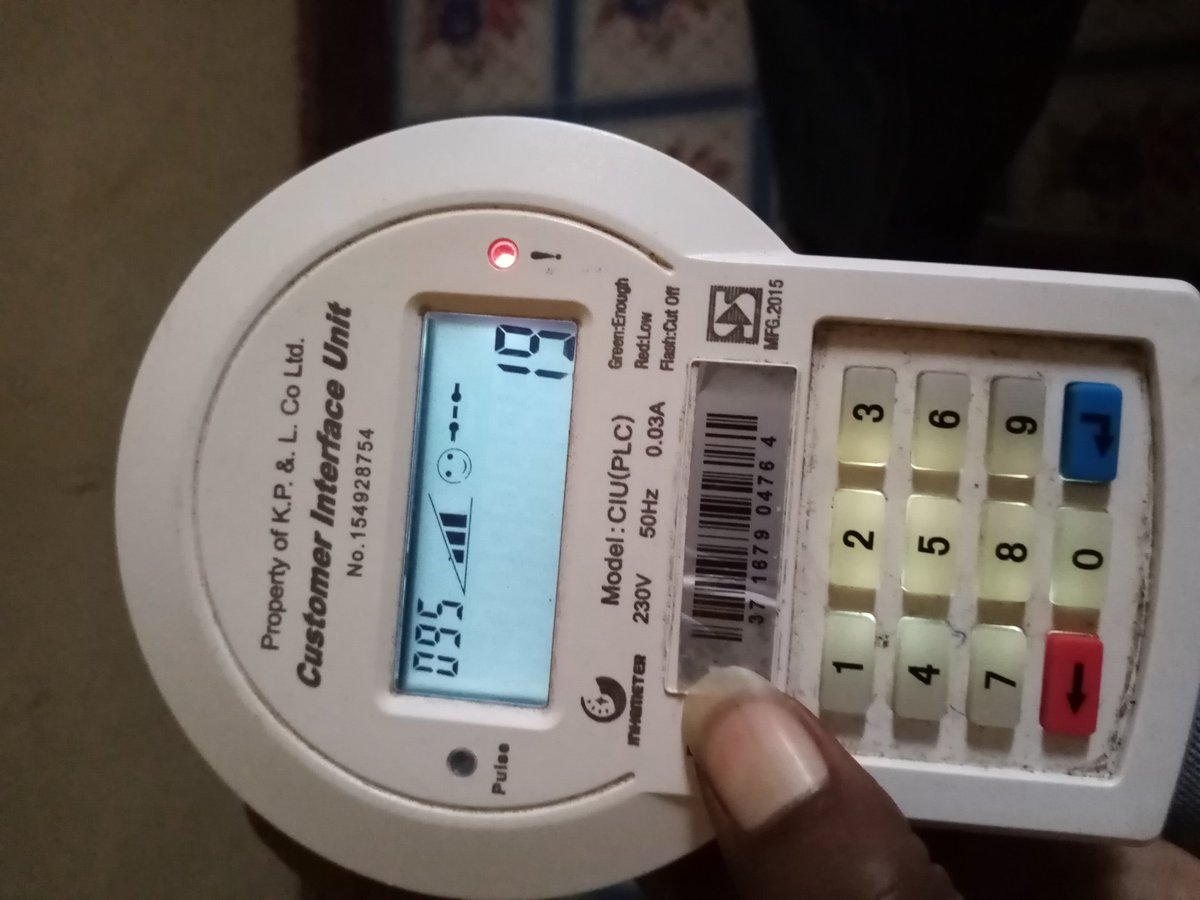
If you’ve noticed that the number of electricity tokens you get for the same amount of money seems to change every month, you’re not alone. And now, Kenya Power is offering an explanation.
In a statement issued Monday, the state utility company clarified that electricity consumers are grouped into three tariff bands depending on their average consumption over a three-month period. The more power you use, the more you pay per unit.
“Your tariff category is calculated based on your average consumption over three consecutive months,” Kenya Power said. “Understanding which category you are under helps you make informed decisions about your electricity usage and manage your expenses effectively, too.”
It’s a system that many customers didn’t fully understand — until now.
At the centre of the billing structure is the concept of tariffs — the price you pay per unit of electricity. That base price, however, is influenced by how much electricity you typically use.
The Three Tariff Bands
Lifeline Tariff (Domestic 1):
If your household uses 30 units or less of electricity each month, you fall into the lifeline category — the most affordable group. Here, you’re charged KSh12.23 per unit, excluding additional taxes and levies. This tier is designed for homes with minimal electricity needs.
Middle Tier (Domestic 2):
Use more than 30 units but less than 100 per month? You’re bumped up to the next bracket. The rate here climbs to KSh16.45 per unit, again before taxes and levies.
Heavy Users (Domestic 3):
If your usage consistently tops 100 units, you fall into the highest bracket — and pay the steepest rate of KSh19.02 per unit. This category includes households consuming up to 15,000 units per month.
In short, the more electricity you use, the more expensive each unit becomes.
Why Token Numbers Vary
That means if you used less power in April, May, and June, and stayed under the 30-unit threshold, you'd pay the lower rate in July. But if your average jumps — even slightly — your bill climbs too. You’re not just paying more overall; you’re getting fewer token units for the same KSh500 or KSh1,000 you paid the month before.
The tariff structure is part of Kenya Power’s broader effort to encourage energy conservation and target subsidies to those most in need. But for many Kenyans — especially as cost-of-living pressures mount — the fluctuating token amounts have caused confusion and frustration.
The company says that being aware of your average monthly usage is key to avoiding surprises on your meter.
Whether that will be enough to ease public concern remains to be seen. But for now, Kenya Power insists the system is working exactly as it should.
 Facebook
 Twitter / X
 WhatsApp
 LinkedIn
 Telegram
 Reddit