
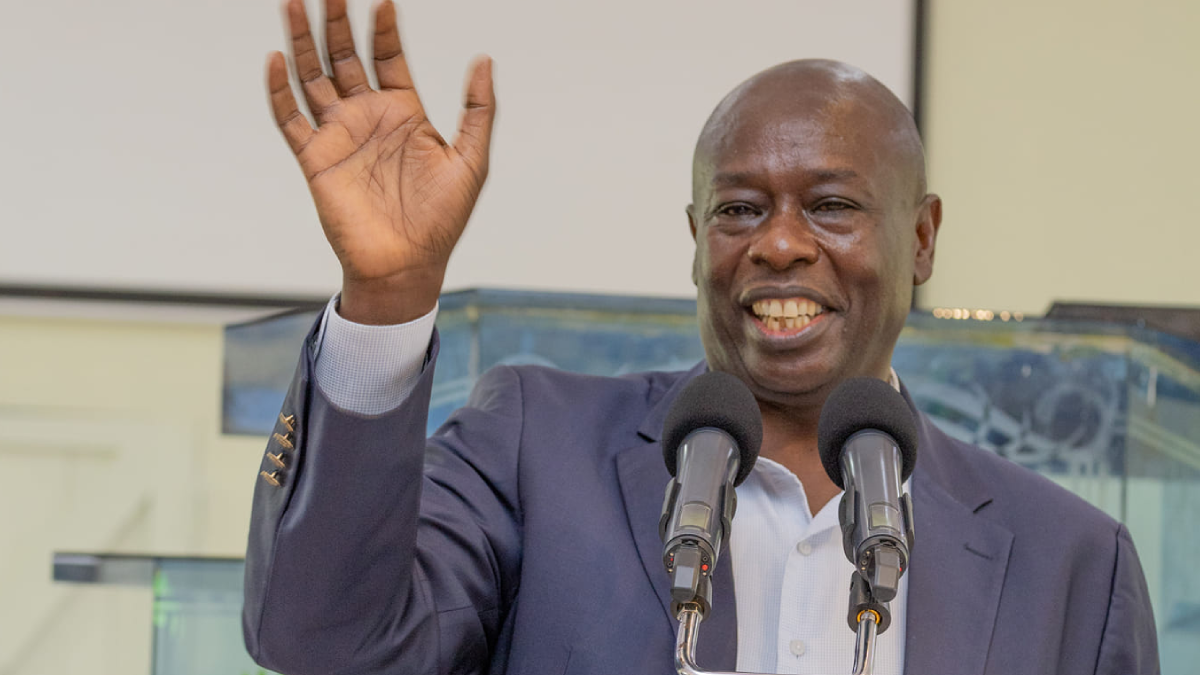
Kenya’s chief detective has said former Deputy President Rigathi Gachagua is not shielded from prosecution and will be treated like any other citizen if linked to the violent protests that shook the country on 25 June.
Speaking during a press briefing in Nairobi on Monday afternoon, Mohamed Amin, Director of Criminal Investigations (DCI), addressed growing questions over whether Gachagua could face legal action in connection with the unrest that left businesses looted and infrastructure damaged.
“I want to put it very clearly,” Amin told reporters. “Rigathi Gachagua does not enjoy any immunity against prosecution. He is subject to the laws of the land. If, in our investigations, he is found to have been involved in criminal activity, then action will be taken.”
Protests Turn Violent
The DCI chief’s comments come five days after protests—largely led by youth groups—turned violent in several parts of the country, most notably in Nairobi, Kisumu, and Mombasa.
What began as a memorial march for those killed during previous demonstrations quickly descended into chaos. Crowds clashed with police, and isolated groups engaged in looting and destruction of public property.
According to Amin, the violence appeared anything but random.
“Our investigations have uncovered disturbing incidents. Critical government infrastructure was destroyed. Several firearms and police equipment were stolen—some of which have already been used in armed robberies,” he revealed.
“These actions were not spontaneous. They were orchestrated. We are actively pursuing the mobilisers and financiers, and they will be brought to justice soon.”
Gachagua's Allegations
Gachagua, who recently launched his Democracy for Citizens Party (DCP) after falling out with President William Ruto, had spoken out on Thursday following the protests. He accused the government of using excessive force and claimed that protestors were deliberately boxed in along Kiambu Road and Thika Road while goons were allowed to operate freely in the Central Business District.
He also alleged that certain businesses in Nairobi were specifically targeted during the looting, hinting at a deeper political motive behind the chaos.
“What happened was not just a lapse in security. It was a calculated plan to discredit the citizens exercising their rights,” Gachagua said in a televised address.
“This regime must take responsibility for what happened.”
Arrests and Ongoing Investigations
As of Monday, 485 individuals had been arrested in connection with the protests. 448 suspects have already been charged in court, while 37 remain under active investigation, according to the DCI.
Amin also issued a public appeal for victims of the violence to come forward, including business owners and individuals whose property was damaged or looted.
“We are calling on all affected Kenyans to help us build these cases. Your cooperation is key,” he said.
Politics, Policing, and Public Anger
The June 25 protests have re-ignited debate over the government’s handling of dissent, especially among the country’s young population. While the administration insists it is acting within the law, critics say the police response has grown increasingly aggressive.
Rights groups have urged authorities to ensure investigations do not become politically selective.
Whether Gachagua will ultimately face charges remains unclear. But Amin’s statement underscores a growing willingness by state agencies to publicly name high-ranking figures—an uncommon stance in Kenya’s historically cautious prosecutorial culture.
For now, the DCI is pressing ahead. And in a country where political immunity once meant impunity, the message is clear: not anymore.