
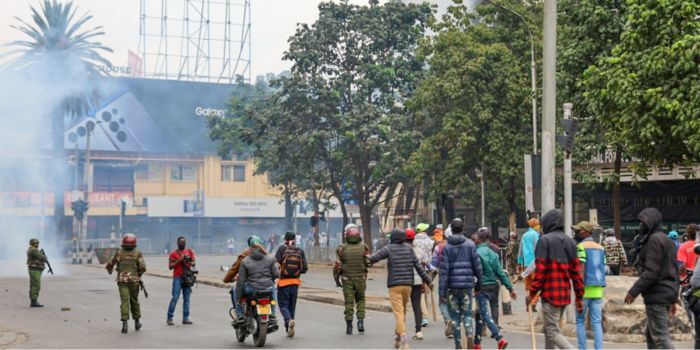
Mixed messages spark confusion as youth plan to honour fallen Gen Z demonstrators
Government Spokesperson Isaac Mwaura says there will be no street protests on June 25, despite rising online mobilisation by young Kenyans planning peaceful commemorations for protesters killed in last year’s demonstrations.
Speaking on a Monday morning radio show, Mwaura said the government would not allow protests, warning that normal business must continue across the country.
“June 25 will be a normal day,” Mwaura declared. “Anyone who wants to honour that day is free to do so from home.”
He also warned that what start as peaceful protests often end in chaos due to criminal elements. Mwaura urged the public not to provoke or mock police officers, saying law enforcement remains impartial and committed to public safety.
Rising Tension Online
On social media, calls for a peaceful march are growing louder. Youth-led movements have used hashtags to rally support, calling for nationwide demonstrations to remember lives lost during anti-government protests. Some online posts, however, have raised red flags for authorities—suggesting a possible plan to march on key government sites like Parliament and State House.
These calls have put the country’s security agencies on high alert.
Police: Peaceful Protests Will Be Protected
In contrast to Mwaura’s tough stance, the National Police Service (NPS) has taken a more measured tone. In separate interviews and statements, police officials indicated that lawful protests will be allowed, so long as they remain peaceful.
Nairobi Regional Police Commander George Seda last week said officers are ready to protect protesters — and shield them from criminal groups that might infiltrate the demonstrations, as seen in previous events.
NPS Spokesperson Muchiri Nyaggah also warned officers on Monday against the misuse of firearms. He made it clear that those who break the law will face consequences.
Referring to the recent shooting of hawker Boniface Kariuki, Nyaggah said: “The officers involved will face the full force of the law. This should be a warning to all officers.”
He stressed that police are trained to handle protests within the legal framework. “What we’ve seen in some cases does not reflect what is required under the law,” he added.
The Legal Angle
Under Article 37 of Kenya’s Constitution, every citizen has the right to peacefully assemble and demonstrate. However, the Public Order Act requires protest organisers to notify police at least three days in advance.
While police can offer guidance or set terms to maintain public order, they cannot lawfully ban a protest outright — unless there's a legitimate and specific threat to public safety or national security.
That nuance seems to put Mwaura’s statement in tension with the law and with the tone taken by police leaders on the ground.