
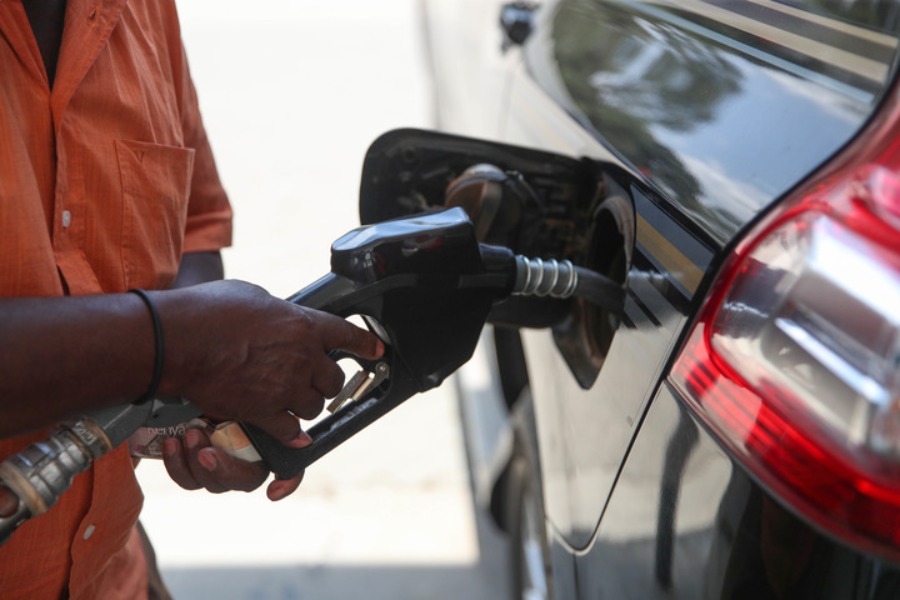
Nairobi, August 15, 2023 - In an unexpected about-face, President William Ruto's administration has reinstated the fuel subsidy programme that was famously abandoned just under a year ago. The move comes as fuel costs in Kenya continue to surge, prompting a reevaluation of the policy's impact on the economy and the public.
The Energy and Petroleum Regulatory Authority (EPRA), responsible for overseeing fuel pricing, announced on Monday, August 14, that the once-abandoned Petroleum Development Fund, aimed at cushioning citizens from escalating fuel prices, will be resurrected. This decision follows the doubling of Value Added Tax (VAT) on petroleum products from 8 to 16 per cent, contributing to the sharp rise in fuel expenses.
President Ruto, who had fervently campaigned against the subsidy programme during his ascent to power, explained that rising landing costs for fuel played a pivotal role in this policy reversal. The subsidies, which were previously criticized for benefiting select oil marketers, are now aimed at counteracting the financial burden faced by ordinary Kenyans.
According to EPRA's calculations, the absence of the subsidy would have led to Super Petrol costing Ksh202.01, a notable increase from current prices. Additionally, Diesel was projected to surge by Ksh3.59 and Kerosene by Ksh5.74, putting significant strain on consumers.
With the reintroduction of the Petroleum Development Fund, the government aims to alleviate the pressure on consumers by compensating importers at a rate of Ksh7.33, Ksh3.59, and Ksh5.74 per liter for Super Petrol, Diesel, and Kerosene, respectively. This move ensures that fuel prices will remain stable from August 15 to September 14, with Super Petrol, Diesel, and Kerosene retailing at Ksh194.68, Ksh179.67, and Ksh169.48, respectively.
EPRA emphasized that the decision was made to stabilize pump prices and mitigate the impact of escalating landed costs, stating, "Oil Marketing Companies will be compensated from the Petroleum Development Fund."
The unexpected U-turn marks a departure from President Ruto's previous stance against the subsidy, echoing his predecessor's approach. Former President Uhuru Kenyatta's administration initially implemented the programme to temper pump prices and curb the ripple effect on essential commodities, such as food.
President Ruto's opposition to the subsidy was rooted in concerns over its sustainability and potential exploitation. During his inauguration on September 13, 2022, he highlighted the significant financial burden on taxpayers, criticizing the Ksh144 billion already spent on the subsidy, with Ksh60 billion in just four months. He cautioned that continuing the subsidy until the end of the financial year would amount to a staggering Ksh280 billion—equivalent to the entire national government development budget.
Interestingly, the International Monetary Fund (IMF), which has been closely observing Kenya's economic policies, had set the elimination of fuel subsidies as a condition for granting loans to President Ruto's administration. However, recent months have seen Ruto himself criticizing the IMF and World Bank for imposing stringent conditions on loans, calling for a more robust and independent financial system.
As the nation navigates this shift in policy, all eyes remain on the impact of the revived fuel subsidy on both the economy and the public's well-being.
You may also like
Category: News · Related Topic: William Ruto
Related Video: What Dangote’s proposed Lamu oil refinery could mean for East Africa
Related Explainer: Inside Kenya’s crude supply puzzle as Dangote prepares to break ground in Lamu
 Facebook
 Twitter / X
 WhatsApp
 LinkedIn
 Telegram
 Reddit