
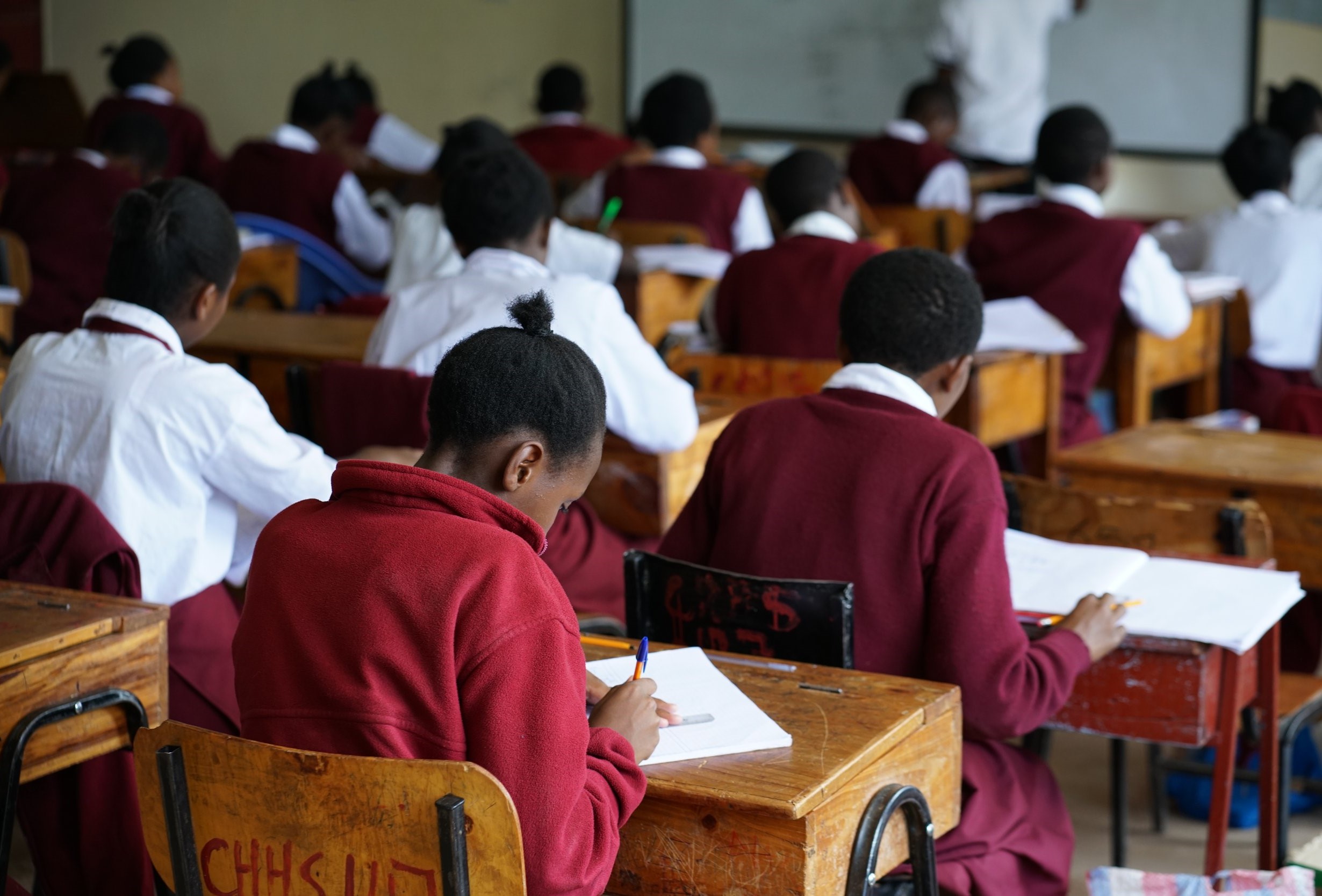
More than 5,000 secondary schools across Kenya were not selected by a single student in the recent Grade 10 admissions, the Ministry of Education has revealed, exposing fresh concerns over equity and public confidence in the country's schooling system.
Out of 9,750 registered secondary schools, over half were overlooked by the 1.2 million learners who are set to join Grade 10 in January 2026 under the Competency-Based Curriculum (CBC).
The revelation came from Julius Bitok, Principal Secretary in the State Department for Basic Education.
“This is a concern for us,” Bitok told reporters. “We have 9,750 secondary schools around the country. And from the selection results, we have seen clearly that more than 5,000 schools didn’t get any learner selection. This is because some learners do not prefer them.”
The reason for the disparity, Bitok said, lies partly in school preferences shaped by parents and learners. While he did not provide a detailed analysis, he pointed to key factors likely influencing the decisions: school infrastructure, academic performance, location, and perceived prestige.
For education officials, the trend presents not just a logistical puzzle but a deeper challenge to the goal of inclusive, nationwide schooling under the CBC.
Bitok acknowledged this, saying the ministry must work to “address inequalities in the education system and ensure all schools are adequately resourced to attract and retain learners.”
The 1.2 million students currently in Grade 9 are expected to complete their studies at the end of 2025. Before transitioning to Grade 10, they will sit for the Kenya Junior Secondary Education Assessment (KJSEA), scheduled between 27 October and 5 November 2025. The exam results will play a central role in determining placement into senior school and their chosen career pathways.
Despite the challenges, the ministry says it is committed to ensuring a smooth transition.
But for the more than 5,000 schools that failed to attract a single applicant, questions linger. What will it take to make them viable options? And what does their rejection say about the broader public trust in Kenya’s education landscape?
The months ahead will test whether the Ministry can not only administer the transition but also rebuild faith in schools that have, for now, been left behind.