
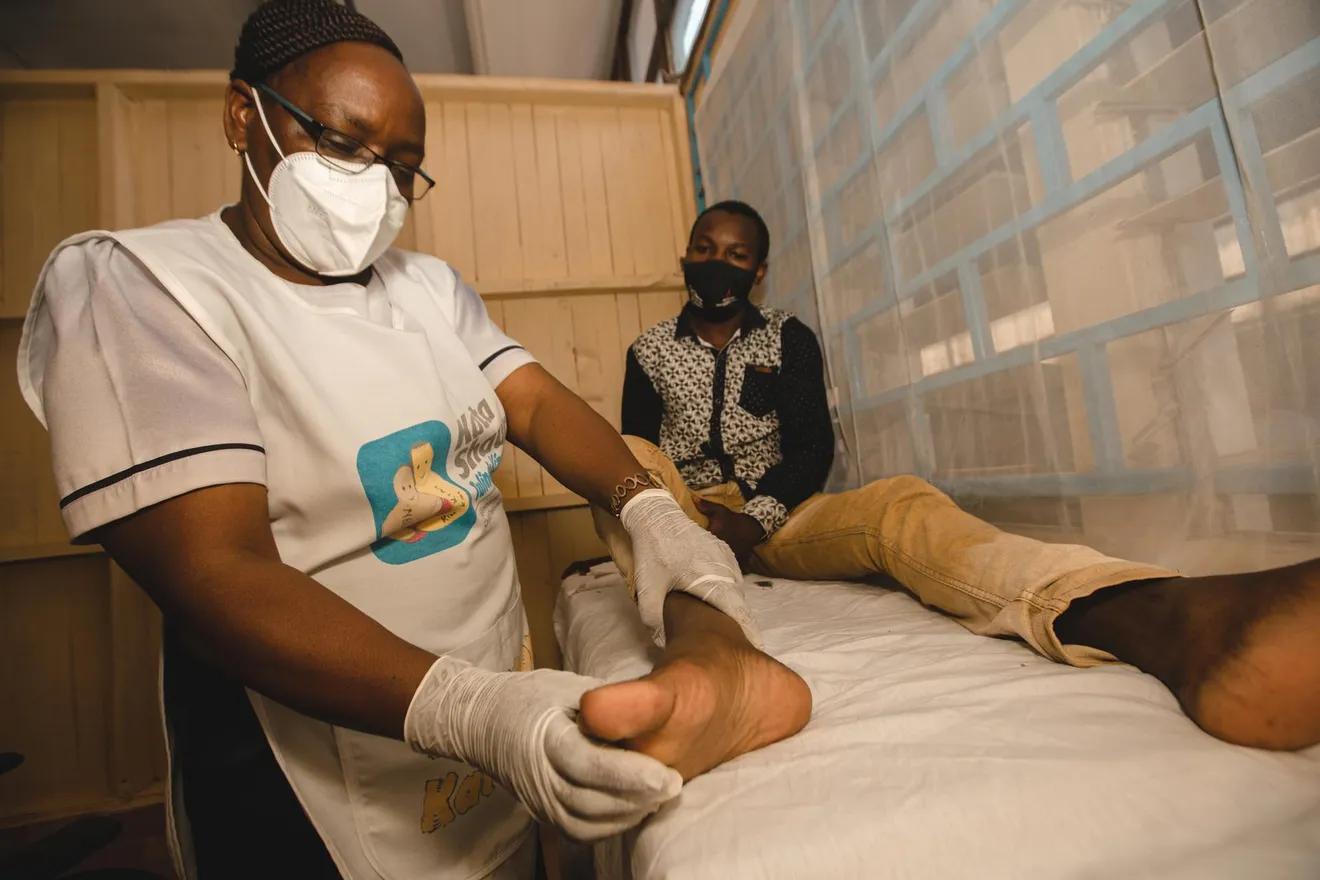
NAIROBI, Kenya – Members of Parliament are pushing for stronger government support for people living with haemophilia, calling for the rare but life-threatening blood disorder to be fully recognised and adequately funded under Kenya's Universal Health Coverage (UHC) programme.
The renewed focus comes amid growing concern that many Kenyans living with haemophilia continue to face delayed diagnosis, inadequate access to life-saving clotting factor medicines and high treatment costs, despite advances in the management of the condition globally.
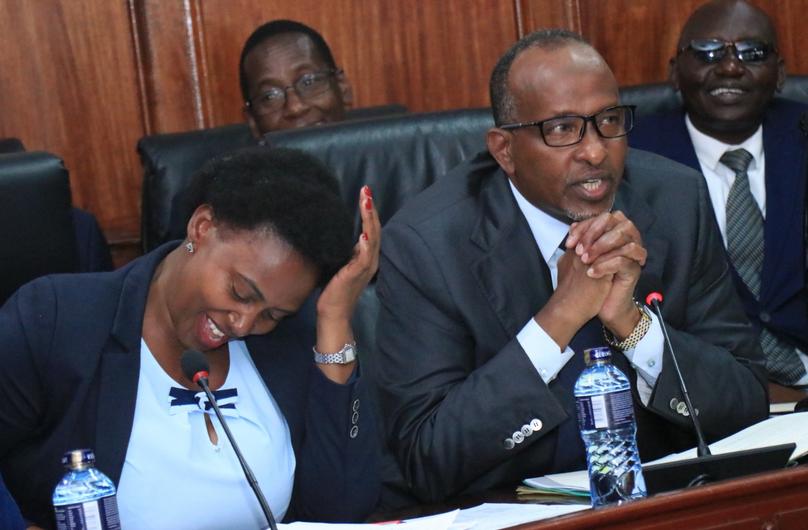
The Parliamentary Departmental Committee on Health has been engaging stakeholders, including patient advocacy groups and medical experts, to explore ways of improving access to diagnosis, treatment and long-term care for individuals living with the disorder.
What is haemophilia?
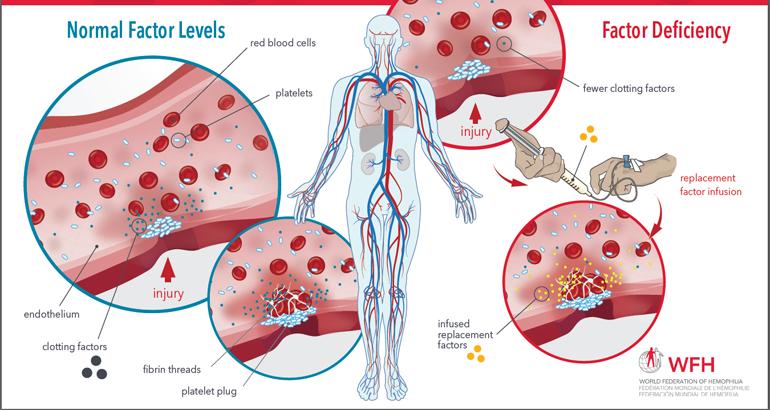
Haemophilia is a rare inherited bleeding disorder in which the blood does not clot properly because the body lacks sufficient clotting proteins, known as clotting factors. The condition primarily affects males, while females are usually carriers, although some women and girls may also experience bleeding symptoms.
The two most common forms are:
- Haemophilia A, caused by a deficiency of clotting Factor VIII.
- Haemophilia B, caused by a deficiency of clotting Factor IX.
Without adequate clotting factors, even minor injuries can lead to prolonged bleeding. More seriously, people with haemophilia can suffer spontaneous internal bleeding into joints and muscles, causing severe pain, permanent joint damage, disability and, in some cases, life-threatening bleeding in the brain or other vital organs.
Modern treatment involves replacing the missing clotting factor through regular infusions or newer therapies that significantly reduce bleeding episodes and improve quality of life.
The burden in Kenya
Although haemophilia is classified as a rare disease, health experts believe it remains significantly underdiagnosed in Kenya.
According to the World Federation of Hemophilia, Kenya has only a fraction of the number of people expected to be living with haemophilia identified and registered. Based on international prevalence estimates, thousands of Kenyans are likely to have inherited bleeding disorders, yet many remain undiagnosed, particularly in rural and underserved areas.
Patients often experience years of unexplained bleeding before receiving a diagnosis. Children may first present with excessive bleeding after immunisations, circumcision, teething or minor falls, while adults frequently suffer irreversible joint damage before appropriate treatment becomes available.
Limited laboratory capacity, shortages of specialised healthcare workers and inconsistent availability of clotting factor concentrates have contributed to delayed care in many parts of the country.
Why MPs are pushing for action
Parliament's interest reflects growing recognition that haemophilia should be managed as a chronic condition requiring lifelong care rather than emergency treatment alone.
Advocates argue that inclusion within Universal Health Coverage would help ensure:
- Consistent supply of clotting factor medicines.
- Early diagnosis through specialised laboratory services.
- Access to comprehensive treatment centres.
- Physiotherapy and rehabilitation for joint complications.
- Genetic counselling and family support.
- Reduced financial burden on affected families.
Medical experts say preventing bleeding episodes through regular treatment is more cost-effective than treating severe complications that require repeated hospital admissions, surgery or long-term disability care.
The cost of living with haemophilia
Treatment remains one of the biggest challenges for affected families.
Clotting factor replacement therapy is expensive, and many patients depend on government-supported programmes, humanitarian donations and partnerships with international organisations to receive adequate treatment.
Interruptions in medicine supply can force patients to delay treatment, increasing the risk of permanent disability or fatal bleeding.
Patient organisations have welcomed Parliament's interest, saying government investment would improve survival rates, enable children to attend school regularly and allow adults to remain economically productive.
Global progress offers hope
Worldwide, treatment for haemophilia has advanced significantly over the past decade.
Many countries now use preventive therapy, known as prophylaxis, where patients receive regular clotting factor replacement before bleeding occurs. Newer non-factor therapies have further transformed care, allowing many patients to experience far fewer bleeding episodes and improved quality of life.
Health advocates believe Kenya can achieve similar outcomes if haemophilia is prioritised within national health financing and integrated into Universal Health Coverage.
For families living with the condition, parliamentary support represents more than a policy discussion—it offers hope that access to life-saving treatment will become more predictable, affordable and available across the country.
Why this matters
Recognition of haemophilia under Kenya's Universal Health Coverage framework would not only improve access to specialised treatment but could also reduce preventable disability and deaths associated with the disorder. As Parliament considers reforms to strengthen care for rare diseases, patients and advocates hope haemophilia will receive the sustained attention and funding needed to transform thousands of lives.
 Facebook
 Twitter / X
 WhatsApp
 LinkedIn
 Telegram
 Reddit